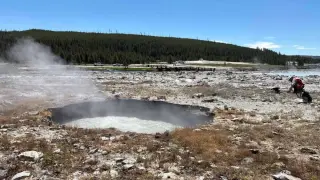
Yellowstone Blast Carves 20-Foot Boiling-Water Crater
An explosion at Yellowstone National Park carved a 20-foot crater filled with boiling water, underscoring the ongoing geothermal activity in the park.

All articles tagged with #boiling water
An explosion at Yellowstone National Park carved a 20-foot crater filled with boiling water, underscoring the ongoing geothermal activity in the park.
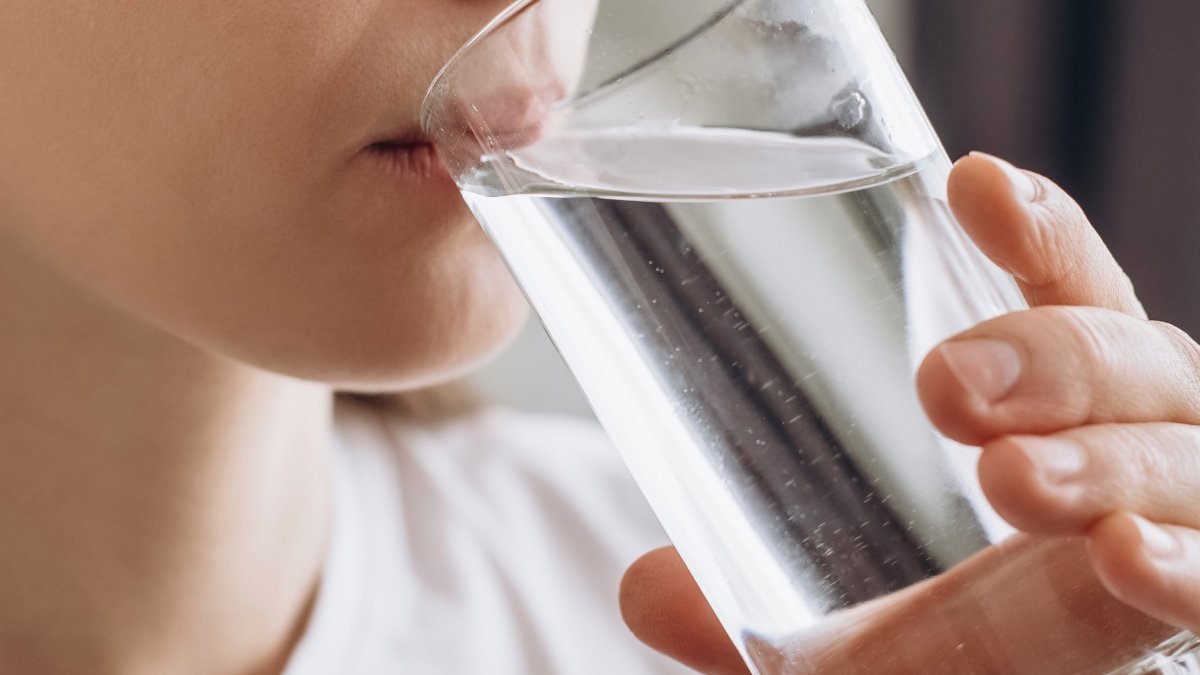
Scientists in China have found that boiling tap water and filtering it can remove up to 90% of microplastics, offering a simple and accessible method to reduce human exposure to these pollutants, especially in areas with hard water where calcium carbonate helps trap plastics during boiling.
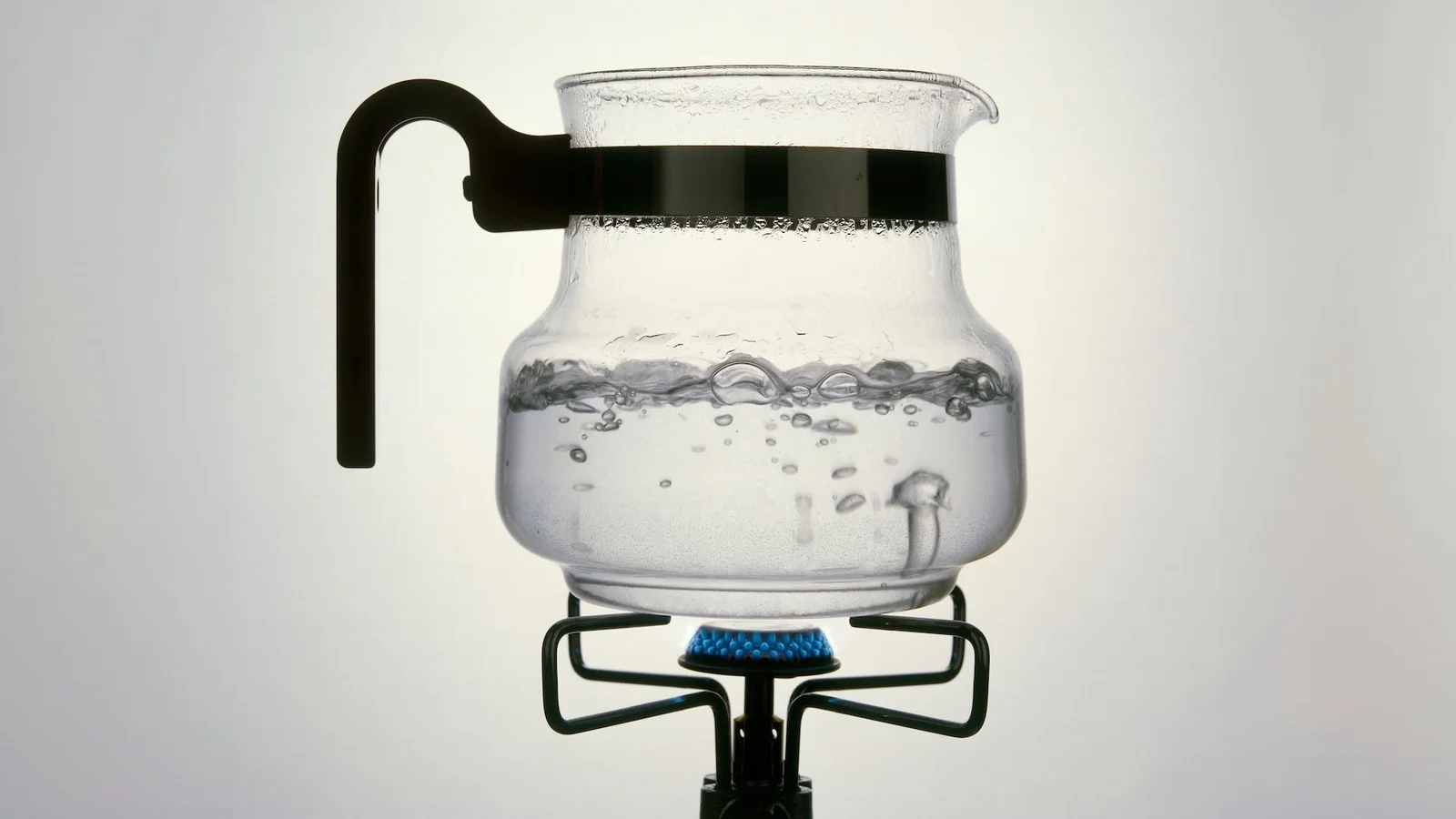
Bubbles form when water reaches its boiling point and a bubble's formation depends on overcoming surface tension; microwave heating often suppresses bubble formation, leading to superheating, which can cause water to explosively boil when disturbed.
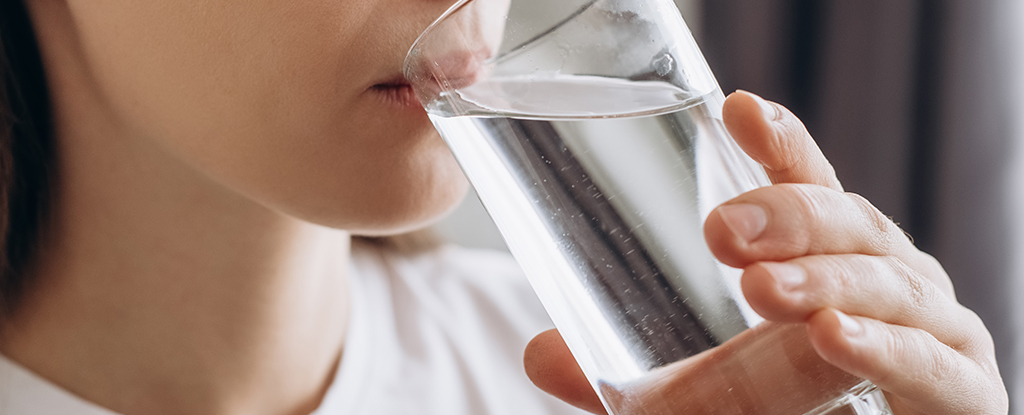
Scientists in China have discovered that boiling tap water, especially in hard water areas, effectively removes up to 90% of microplastics and nanoplastics, offering a simple and accessible method to reduce human exposure to these pollutants in drinking water.
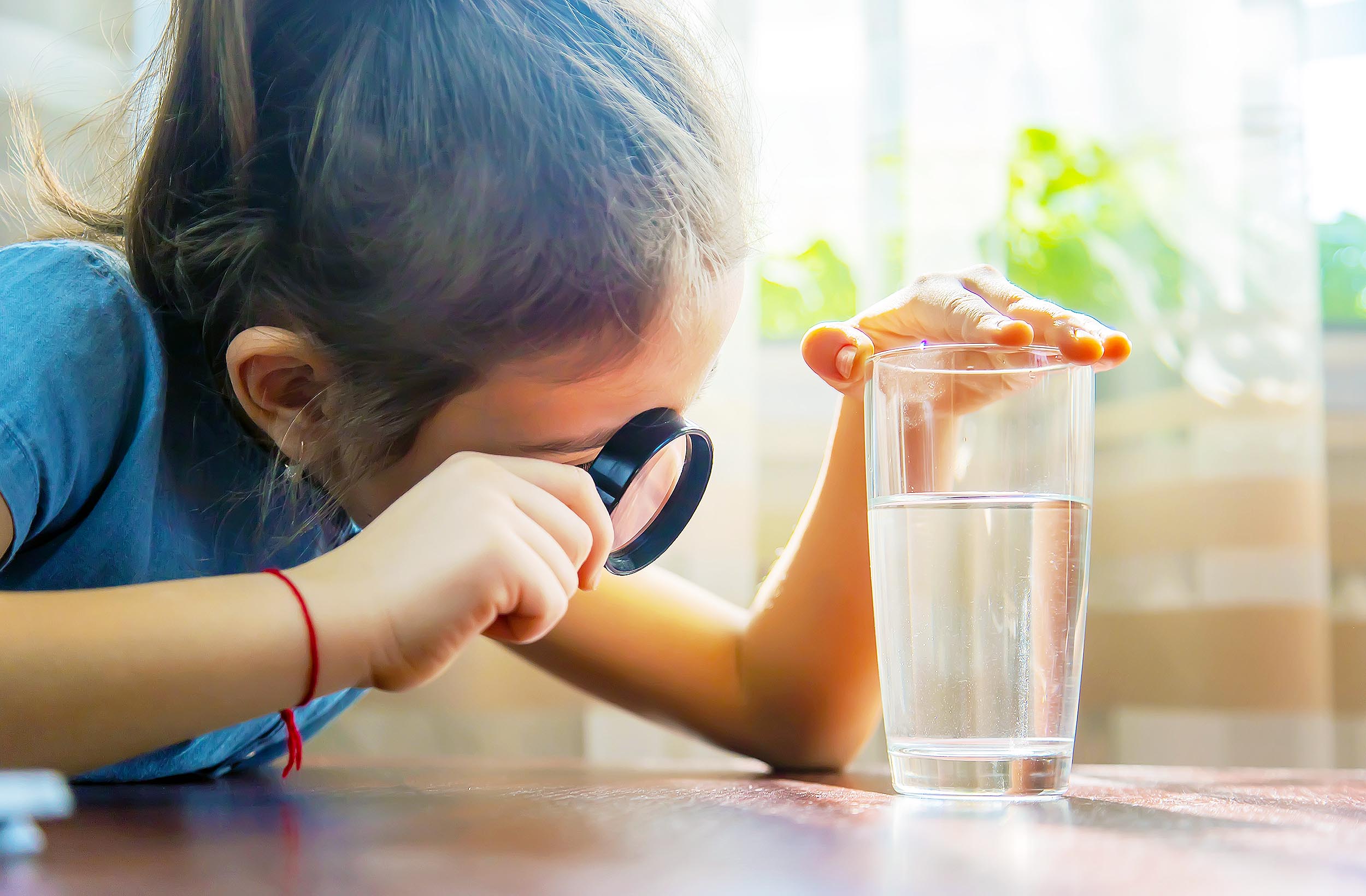
Chemists in Guangzhou discovered that boiling hard tap water with minerals present can remove up to 90% of microplastics, offering a simple, low-cost method for reducing plastic pollution in drinking water by leveraging mineral crystallization during heating.

Researchers have found that boiling tap water for five minutes can remove over 80 percent of plastic contaminants, offering a simple and cost-effective solution to limit the concentrations of microplastics in drinking water. The study suggests that boiling water causes the plastic particles to become attached to limescale, particularly in hard water with higher calcium levels. While this method may help reduce human exposure to microplastics, some experts advocate for more proactive measures, such as modifying drinking water treatment plants, to limit the spread of microplastics in the first instance.
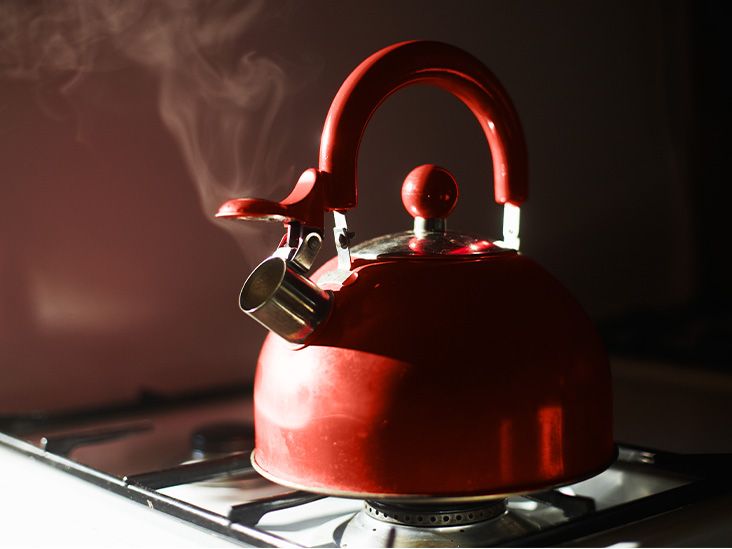
Boiling tap water could remove up to 90% of microplastics, with the process involving the formation of calcium carbonate crystals around the microplastics that can be filtered out. Microplastics are increasingly found in drinking water and food supplies and have been found to affect the gut microbiome. Chronic exposure to microplastics can lead to various health issues, particularly affecting low-income and Indigenous communities. Maintaining a healthy gut microbiome through pre- and probiotic supplements, fermented foods, fiber-rich foods, omega-3s, polyphenols, and binders may help mitigate the effects of microplastic consumption.
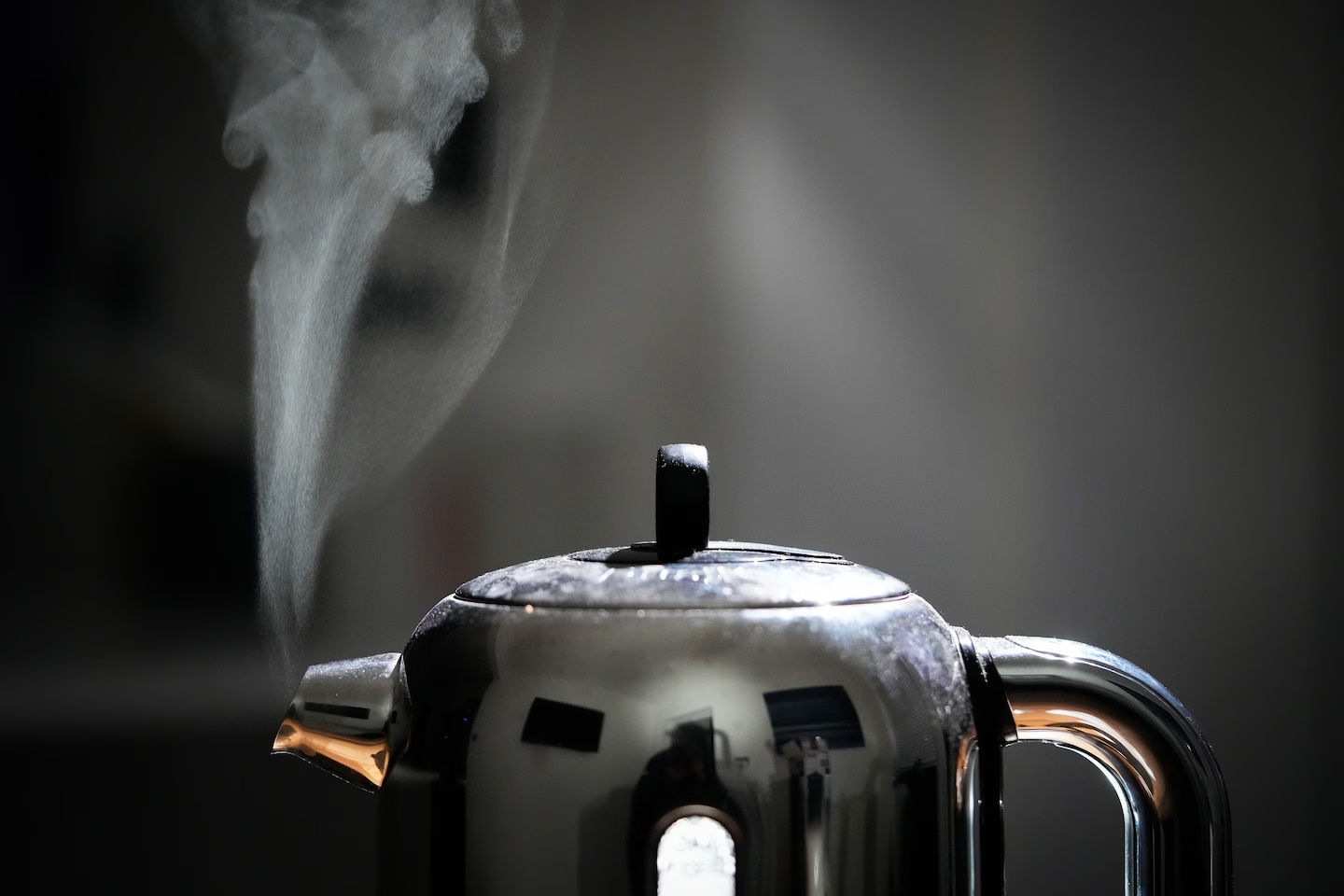
New research suggests that boiling and filtering water could reduce microplastics in drinking water by up to nearly 90 percent, as reported in the journal Environmental Science & Technology Letters. The study found that boiling water, especially "hard" water with high mineral concentrations, can solidify and encapsulate the plastic particles, making them easier to remove through simple filtration. While more research is needed to understand the health risks of consuming microplastics, boiling water also offers benefits in killing harmful microbes. However, the effectiveness of this method may vary depending on water quality and regional differences.

A TikTok user shared a viral cooking hack for boiling pasta in just one minute, but there's a catch. The process involves soaking the uncooked pasta in water for an hour before boiling it for a minute. While some appreciated the tip, many commenters were perplexed by the additional hour of prep time and suggested cooking it the traditional way for around 10 minutes instead.
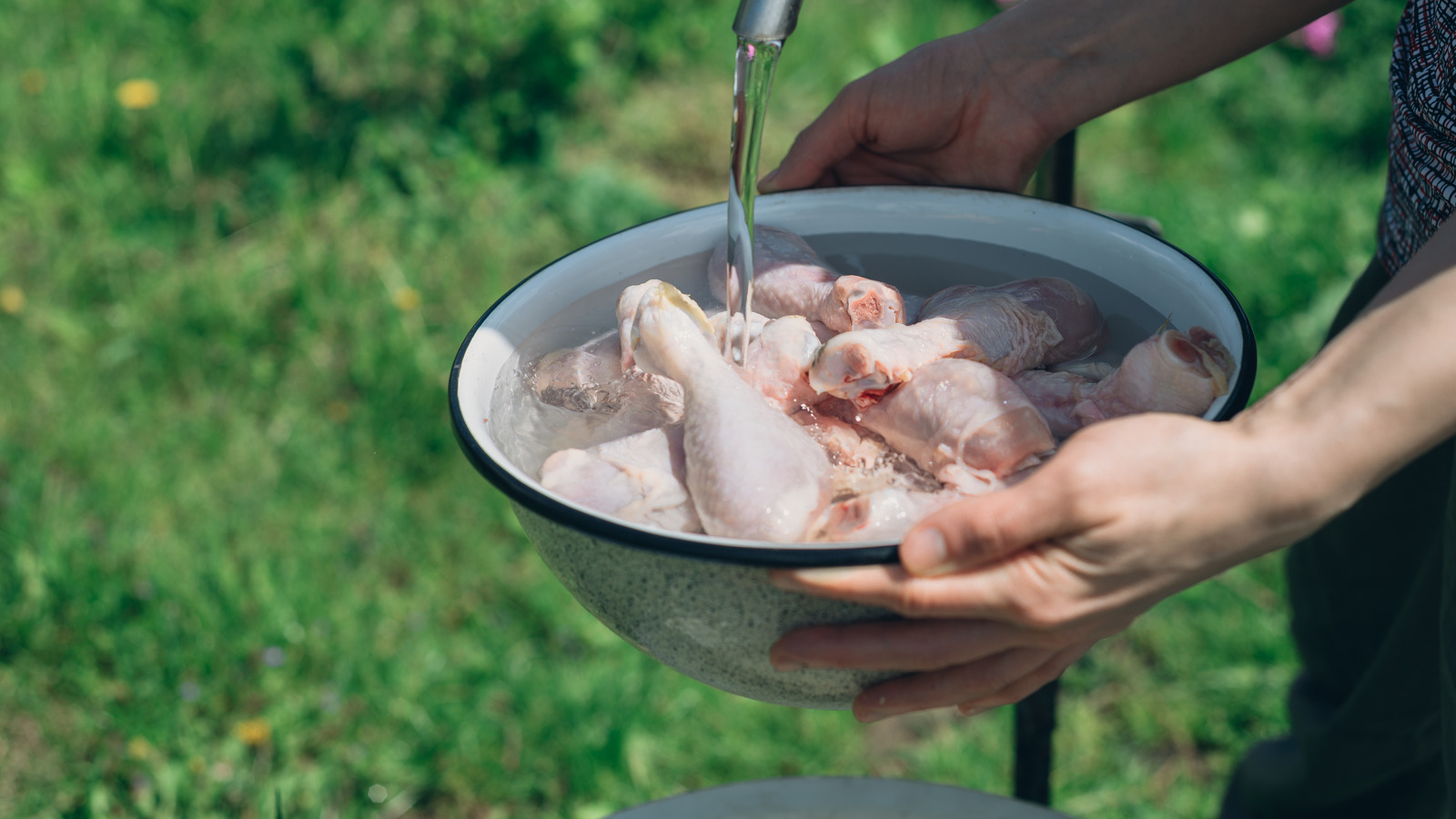
Pouring boiling water over chicken thighs before cooking can help produce crispy succulent chicken by rendering out excess fat, resulting in a leaner meal. Steaming the chicken before cooking it or mixing up some baking soda and salt for crispier chicken skin are other methods to get that perfect crispy skin. Slow cooking the chicken will help break down some of that connective tissue as well, making for a more tender meal.