The Trump administration cleared Nvidia H200 shipments to Alibaba, Tencent and eight other Chinese buyers, but Beijing halted deliveries, underscoring ongoing friction over semiconductor exports between the U.S. and China.
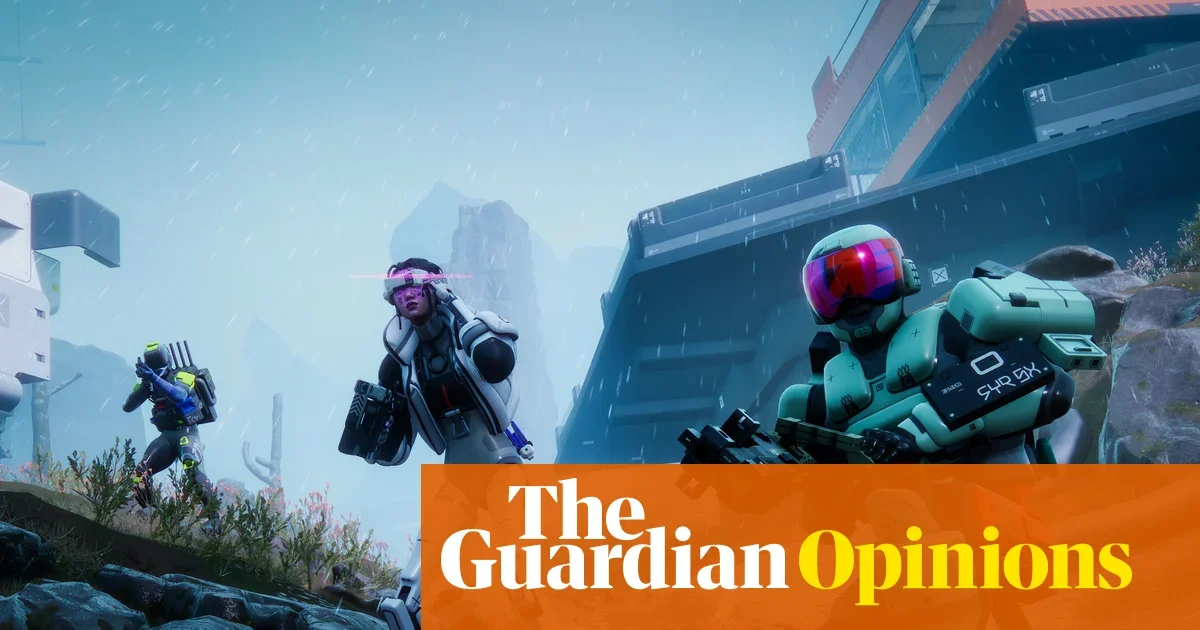
Industry analysis argues that live-service games are treated as instant-profit investments, with Highguard’s swift demise after a Tencent-backed launch despite 2 million players; Marathon offers promise but profitability remains uncertain, underscoring a broader pattern where investor pressure and the time-to-kill metric drive whether a game survives or fails.
Wildlight Entertainment, the studio behind the shooter Highguard, appears likely to close after a rocky launch that saw concurrent players crater and Tencent withdraw funding; the studio’s website and LinkedIn vanished, servers shut down on March 12, and co-founder Chad Grenier indicated there may be no future for Wildlight, suggesting the company is winding down after founding in 2021.
Paramount’s bid to buy Warner Bros. Discovery, backed by Gulf sovereign wealth funds and now supplemented by Tencent funding, faces mounting pressure as Iran’s conflict prompts Gulf countries to review investments; potential security reviews and shifting finance could derail the $111 billion deal and reflect broader strains on US media consolidation and international finance.
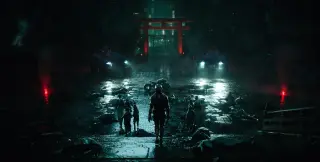
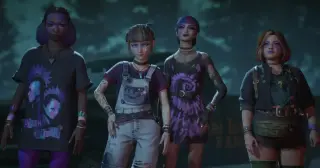
Wildlight will permanently shut down the free-to-play hero shooter Highguard on March 12 after failing to build a sustainable player base and revenue, despite more than two million players since launch. A final patch will add a new Warden, weapon, account level progression, and skill trees before servers go offline.
Wildlight Studios' live-service shooter Highguard is shutting down on March 12, just 46 days after its January launch. The final update will add a new character, weapon, and updated skill trees as the team winds down. Wildlight attributed the closure to an unsustainable player base and funding challenges after Tencent pulled support, noting more than two million players had tried the game and that servers will remain online until the shutdown date.
Wildlight's free-to-play squad shooter Highguard will shut down permanently on March 12, 2026, after a short launch period that drew about 2 million players; before it ends, it will get a final update with a new character and weapon, underscoring the tough economics of sustaining live-service games.
A former Highguard level designer argues the game’s heavy emphasis on a competitive 3v3 mode and its complex rule set created a high entry barrier, contributing to onboarding and retention problems as casual players struggled to adapt. He contrasts this with Apex Legends’ easier onboarding and notes that the decision to lean into 3v3 increased team reliance and skill requirements. The situation was exacerbated by Tencent pulling funding after launch and layoffs at Wildlight, leaving a small core team and underscoring the project’s fragile footing despite ambitious design.
Kotaku reports that Highguard began as a Rust-inspired survival shooter, later pivoted to a 3v3 raid shooter with heavy looting; funding dried up and a stealthy Game Awards reveal backfired, leading to mass layoffs shortly after launch, with developers blaming hubris for resisting early pivots amid a crowded multiplayer market and funding ties to Tencent.
Ubisoft has tapped three long-time Assassin’s Creed veterans—Martin Schelling (brand head), François de Billy (Head of Production Excellence), and Jean Guesdon (Head of Content)—to run the franchise from the Tencent-backed Vantage Studios. The trio will define the series’ long-term vision, streamline production workflows, and guide creative direction across future installments—including a Black Flag remake—after recent leadership changes, signaling Ubisoft’s intent to keep the open-world stealth franchise on track and integrated with its broader development strategy.
Ubisoft Toronto laid off 40 staff as part of a broader cost-cutting overhaul following Tencent’s investment, but the long‑delayed Splinter Cell remake remains in active development. The shake-up also led to cancellations like Prince of Persia: The Sands of Time remake, while Toronto will continue to support Rainbow Six as a co‑developer.
Wildlight Entertainment says Highguard’s site is down to be transferred and simplified, a low-priority task for a lean team focused on delivering updates after recent layoffs, with Tencent as an investor; the game remains playable but Steam numbers are weak and there’s no announced return date for the site.
Kotaku reports that Wildlight Entertainment’s four-year development of the free-to-play shooter Highguard may have been backed primarily by Tencent’s TiMi, a relationship the studio has kept private. Following mass layoffs and a steep drop in concurrent PC players, questions swirl about Highguard’s future as Wildlight’s site goes offline and roadmap details remain unclear.
Ubisoft is reportedly done with the Watch Dogs series, with insider Tom Henderson saying the IP is 'completely dead' after Legion's weak reception, as the publisher restructures amid IP fatigue and high overhead; Tencent's investment has aided a turnaround, but not all Ubisoft franchises are guaranteed to survive, though a Watch Dogs movie remains in development.
Tencent has entered into a deal to utilize Nvidia's top AI chips in Japan, highlighting a strategic move in the AI and technology sector, though specific details of the agreement are not provided in the excerpt.