A Weibo leaker argues that Apple’s Pro iPhones are unlikely to return to titanium soon, citing aluminum’s superior heat dissipation for AI workloads; rumors of liquid metal or revised titanium alloys persist for future Pro models and foldables, but the iPhone 18 Pro is expected to stay aluminum at least until 2027.
Apple is reportedly moving away from aluminum on the iPhone 17 Pro due to denting, weighing a return to titanium with improved heat management or a costly liquid-metal option, with titanium seen as the most likely path if a lighter, better-thermally-conductive version can be perfected.
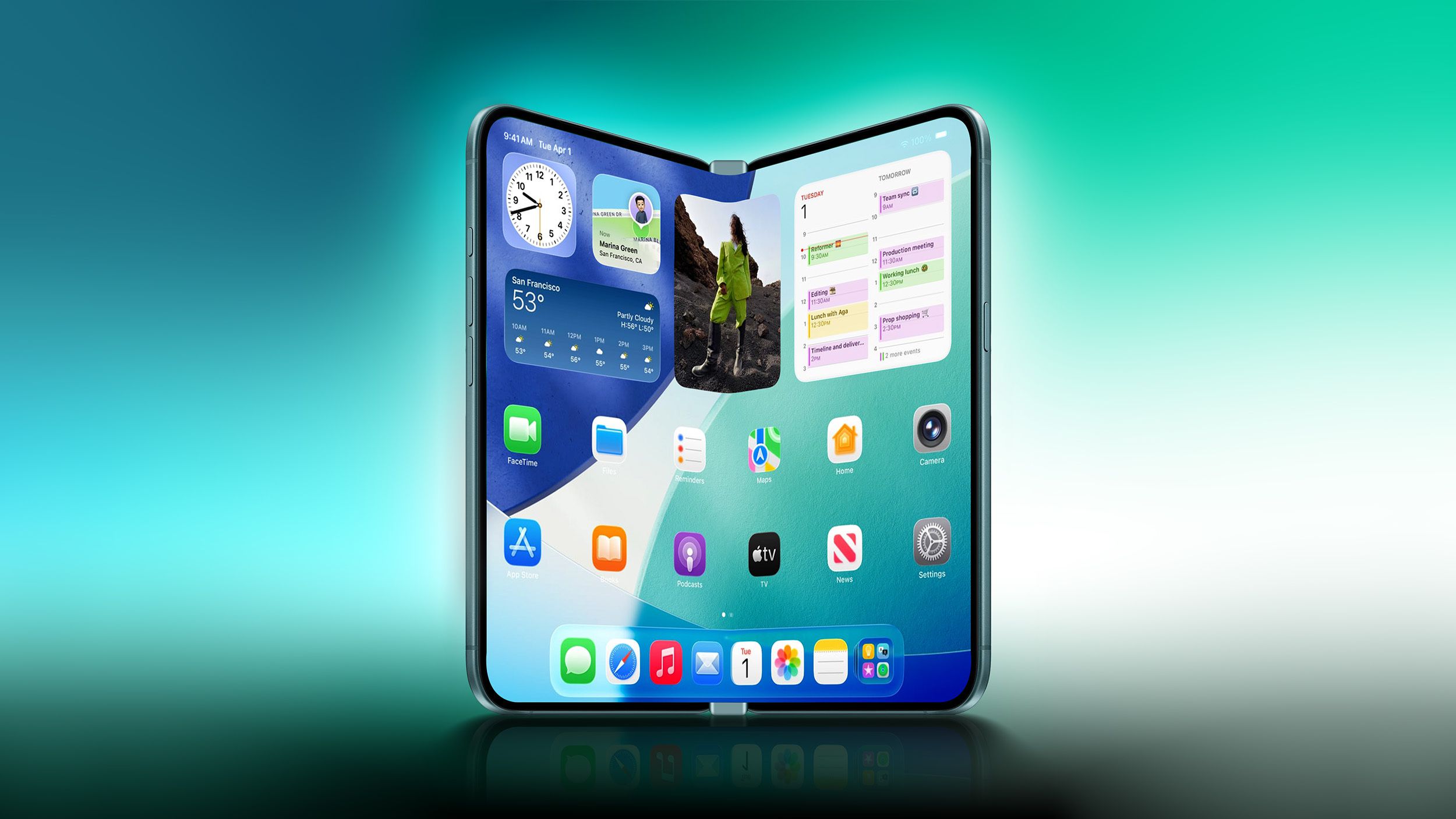
Apple is reportedly set to unveil its first foldable iPhone, the iPhone Fold, in September 2026, featuring a book-style 5.5-inch cover and 7.8-inch inner display, a titanium frame, modular repairable internals, Touch ID in the power button, an A20 processor, and a large battery, with a premium price around $2,000–$2,500 and a streamlined camera system (no telephoto).
OnePlus announces the Watch 4 with a titanium case and sapphire glass, running Wear OS with Google apps. It uses a 646 mAh battery and claims up to 16 days of endurance in power-saving mode (about five days under normal use). The device includes ECG (China only at the moment) along with heart rate, SpO2, and skin temperature sensors, over 100 sport modes, and is powered by a Snapdragon W5 Gen 1 with a BES 2800 co‑processor. Pricing isn’t listed on OnePlus’ site, but AliExpress lists it around $342.
Apple's upcoming foldable iPhone, expected in 2026, will feature a titanium and aluminum frame, with some rumors suggesting a hybrid of titanium and stainless steel for durability and weight reduction, as part of its thin design and advanced hinge technology.
The iPhone 18 Fold is rumored to feature a hybrid metal frame of titanium and aluminum, with a design resembling two titanium iPhone Airs side-by-side, and will include a 5.5-inch outer display and a 7.8-inch inner display. It will lack Face ID, instead using Touch ID, and will influence iOS 27 to optimize for foldable devices. Demand for the iPhone 17 remains strong.
A new leak suggests that the iPhone 17 Pro may feature an all-aluminum chassis, potentially replacing the titanium used in the previous model, with images showing a design that includes a continuous aluminum frame and a different camera bump structure.
Apple will only feature titanium in the design of the iPhone 17 Air, a surprising move since titanium has traditionally been a 'Pro' feature, making the lower-cost Air model more premium in material than the Pro line, which is unusual given the typical weight considerations and material choices.
Contrary to reports suggesting a switch to aluminum, a leaker claims the iPhone 17 Pro will retain its titanium frame, emphasizing Apple's focus on premium materials. Despite speculation about a redesign, it's unlikely Apple will revert to aluminum, given its recent shift to titanium with the iPhone 15 Pro. The final design remains uncertain as the launch is still months away.
Rumors about the iPhone 17 Pro's frame material are conflicting, with recent reports suggesting a return to aluminum, contradicting earlier claims of sticking with titanium. A Weibo leakster argues that reverting to aluminum could harm Apple's premium image, given its past emphasis on the superiority of stainless steel and titanium. However, Apple's profit-driven approach might lead to choosing the cheaper aluminum. The final decision remains uncertain as the iPhone 17 Pro's launch is still distant.
A Chinese leaker, Instant Digital, has refuted claims that the iPhone 17 Pro will switch from titanium to aluminum frames, asserting that Apple will continue using titanium due to its high strength and low weight. Despite previous leaks suggesting a cost-driven material change, Instant Digital argues that Apple's marketing focus on titanium's advantages makes a switch unlikely. The leaker did not address other rumored design changes for the iPhone 17 Pro, indicating that Apple may still be finalizing its design decisions.
Mike Wooten of Franklin, NC, suspects that a black object with carbon fiber weaving and burnt titanium that crashed into his house on May 21 is space debris. This follows a similar discovery in Canton, 40 miles away. Wooten believes the two pieces might be connected and plans to investigate further.
Researchers from RMIT University have developed a new 3D printed titanium lattice structure that is 50% stronger than the strongest alloy with similar density used in aerospace applications. The structure, a metamaterial, was created using a hollow-strut lattice design and additive manufacturing-driven approach, enabling it to evenly distribute load stress and enhance its strength and structural efficiency. The material offers potential applications in medical implants and aerospace components, and the researchers plan to further optimize it for higher-temperature environments. This development showcases the potential of 3D printing in creating highly durable metal lattices, with other research teams also exploring similar applications.
Researchers at RMIT University have developed a 3D printed titanium lattice structure with exceptional strength, surpassing the strength-to-weight ratio of natural or manufactured materials. The lattice structure, created using a common titanium alloy, distributes stress evenly, making it 50% stronger than the next strongest alloy of similar density used in aerospace applications. The design, produced using metal 3D printing, shows promise for applications in medical implants, aircraft, and rocket parts, and could potentially withstand temperatures up to 600°C. While the technology for producing this material is not yet widely available, the team is open to collaborations for exploring its various potential applications.