Cuban cigar giant Habanos faces a crisis after its major investor, Chen Zhi, was sanctioned and extradited. Aggressive price hikes alienated loyal customers, driving them to New World competitors, while US blockades have halted exports.
Researchers at Imperial College London used a gene gun to insert pig myoglobin genes into the chloroplasts of lettuce and tobacco, achieving stable myoglobin production that passes to offspring. Yields are about 810 mg/kg dry weight in lettuce and 800 mg/kg in tobacco, lower than animal meat but potentially more resource-efficient with lower water use and emissions. This is a proof-of-principle approach; further work is needed to boost yields and fix heme incorporation before plant-based meat applications.
A former Waffle House server in Georgia filed a proposed class-action alleging the chain illegally charged tobacco-using employees an extra $92 per month for health insurance, in what plaintiffs say violates ERISA. The suit says workers could avoid the fee only if they joined a smoking-cessation program (Quit for Life), but the company allegedly failed to clearly disclose this option and kept surcharge proceeds instead of applying them to the health plan. The lawsuit seeks more than $5 million in damages for employees nationwide who paid the surcharge in the past six years.
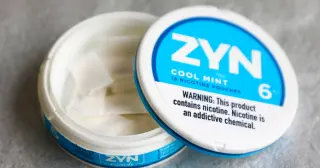
The FDA authorized 20 ZYN nicotine pouch products (in 3 mg and 6 mg strengths) to be marketed as lower risk than cigarettes, though not as a quit-smoking aid. The approval requires five years of post-market studies on risk perception and youth uptake, with the possibility of reversal if youth use rises. Experts warn nicotine addiction remains a concern and that many users may not fully switch from smoking, even as some flavors appeal to younger people.
British American Tobacco will slash about 9,000 roles (roughly 19% of staff) as part of a transformation to become more digital and AI-enabled, with 5,500 cuts and 3,500 outsourced, targeting £600m in annual cost savings by 2028. US operations will be spared; BAT has previously partnered with Accenture for outsourcing and AI solutions, while shifting investment toward nicotine alternatives and smoke-free products amid falling traditional cigarette volumes.
British American Tobacco will cut about 9,000 roles (5,500 directly and 3,500 via outsourcing), equivalent to roughly a fifth of its global workforce, as part of a cost-cutting drive to be more digital and AI-focused. The savings target is around £600 million a year by 2028. The US operations are not affected, and BAT, which employs about 47,000 people, is shifting toward smoke-free products like Vuse and Velo as traditional cigarette sales decline, though overall sales and margins have been sluggish amid consumer shifts and higher US living costs.
A UK-Danish team unraveled the genes and enzymes that synthesize nicotine in tobacco, showing nicotine forms from glucose with the help of two enzymes (NaGR and NicGS) and glucose disappearing in the process—a discovery that solves a 200-year mystery and could let researchers suppress nicotine production or retool tobacco plants to manufacture vaccines and other pharmaceuticals. The work highlights new biotech applications for tobacco as a production platform, beyond smoking products, and was published in Nature Communications.
CDC data show smoking among U.S. adults fell to a record low of about 9% (1 in 11) in 2025, continuing decades of decline. While e-cigarette use hovered around 7%, public health advocates credit campaigns like Tips from Former Smokers for helping quitters and reducing healthcare costs, and urge restoring funding for anti-smoking efforts to sustain progress.
A multisite study of over 1,000 individuals at clinical high risk for psychosis finds that using cannabis and tobacco together markedly raises long-term risk of developing a full psychotic disorder—about 2.9 times higher than non-users—compared with single-substance use. The effect is partly biological, as smoking tobacco increases cannabis THC absorption, potentially accelerating brain changes. Short-term symptoms rise with either substance, but the major difference appears over time in conversion risk, especially for heavy cannabis use paired with light tobacco use. Stopping both substances could reduce risk, highlighting the need to address co-use in at-risk populations. For those with established psychosis, ongoing tobacco use is linked to a roughly 20-year decrease in life expectancy due to cardiovascular and respiratory diseases.
In people at clinical high risk for psychosis, co-use of cannabis and tobacco over a two-year period nearly triples the risk of developing a psychotic disorder, signaling a potential synergistic effect and underscoring the need for replication and to test whether cessation reduces risk.
Britain approved a landmark anti-tobacco bill that permanently bans tobacco sales to anyone born on or after 1 January 2009, effectively raising the age limit each year to create a smoke-free generation; it also bans vaping in cars with children and in outdoor areas near schools, with studies suggesting the policy could deliver tens of thousands of extra healthy life years by 2075 and reduce youth smoking below 5% by the late 2040s.
Britain’s Tobacco and Vapes Bill, backed by Parliament, would bar tobacco sales for anyone born on or after January 1, 2009, in an effort to create a smoke-free generation. The measure also expands powers to regulate tobacco, vaping and nicotine products, including flavour and packaging rules and banning nicotine branding from being marketed to children, while extending smoke-free zones and prohibitions on vaping in places like playgrounds, cars with kids, and near schools and hospitals; royal assent is expected soon.
The Conversation argues that while a tobacco-free generation—phasing out cigarette sales for people born after a cutoff—could dramatically reduce preventable deaths, it faces legal, political, and cultural hurdles. Objections include underestimation of smoking risks, tobacco industry tactics, and concerns about personal autonomy. Trials exist (Brookline, Maldives, Massachusetts proposals) with mixed outcomes, including repeals in some places and new bills elsewhere, underscoring that bans are not a silver bullet. Experts emphasize that success depends on combining bans with high prices, plain packaging, advertising and flavored-product restrictions, cessation support, and clear public health messaging to reduce initiation and sustain progress.
A national NHIS-based study finds smoking among U.S. adults fell to 9.9% in 2024 (about 25 million people), down from 10.8% in 2023—the first single-digit rate on record. If the pace continues, it could help meet the 2030 federal target of 6.1%, but cigar and e-cigarette use haven’t declined, with 18.8% of adults using some tobacco product in 2024 (roughly 47.7 million). The study in NEJM Evidence also calls for a centralized federal tobacco-prevention capacity to sustain progress.
A large study in India found that even light alcohol consumption, especially locally brewed drinks combined with chewing tobacco, significantly increases the risk of mouth cancer, with no safe level of alcohol identified.