Tag

Total Lunar Eclipse

All articles tagged with #total lunar eclipse

March's Worm Moon Sparks Global Blood Moon Eclipse
science-space1 month ago

March's Worm Moon Sparks Global Blood Moon Eclipse

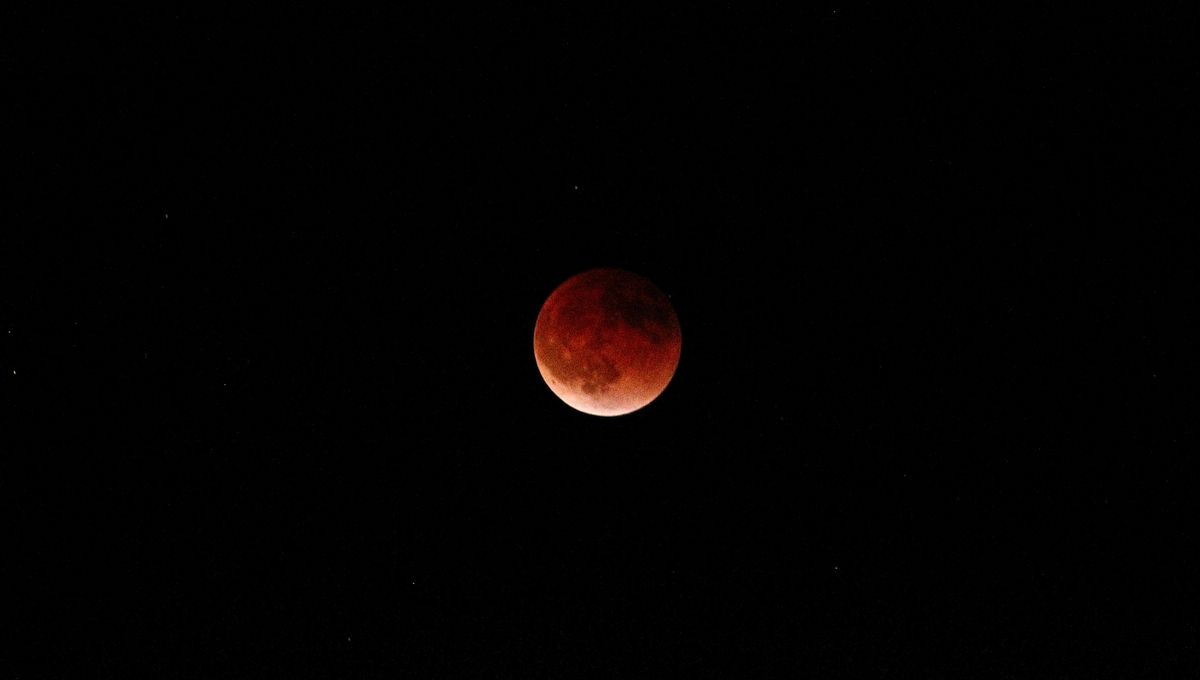
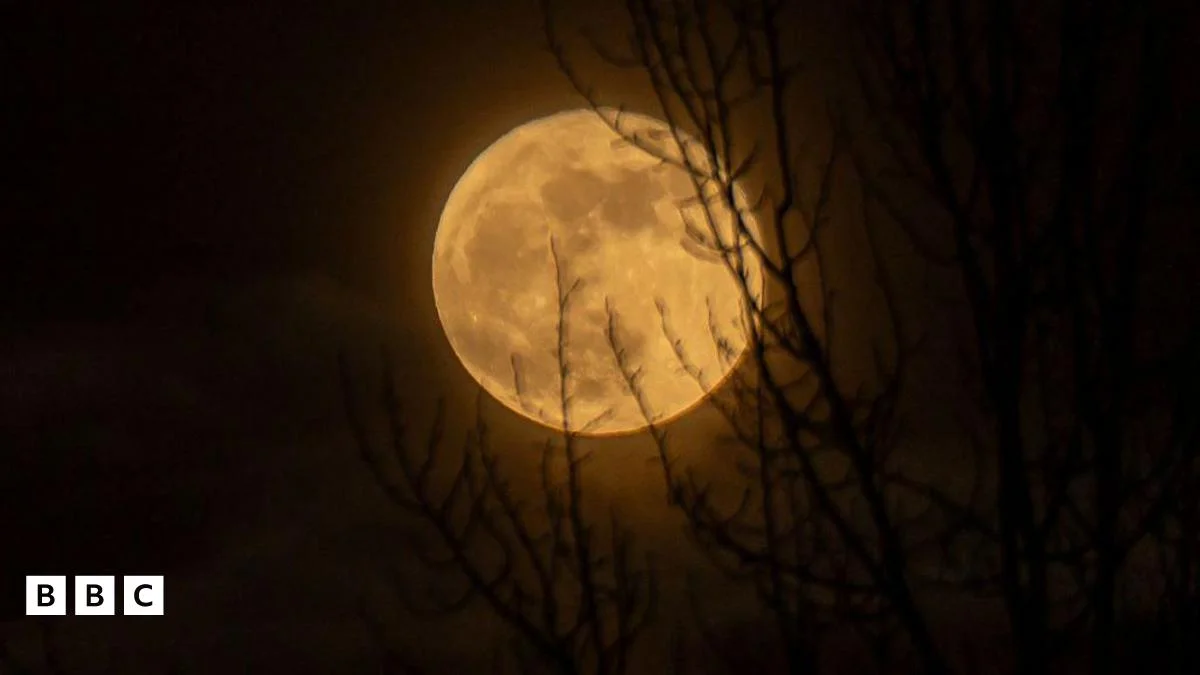
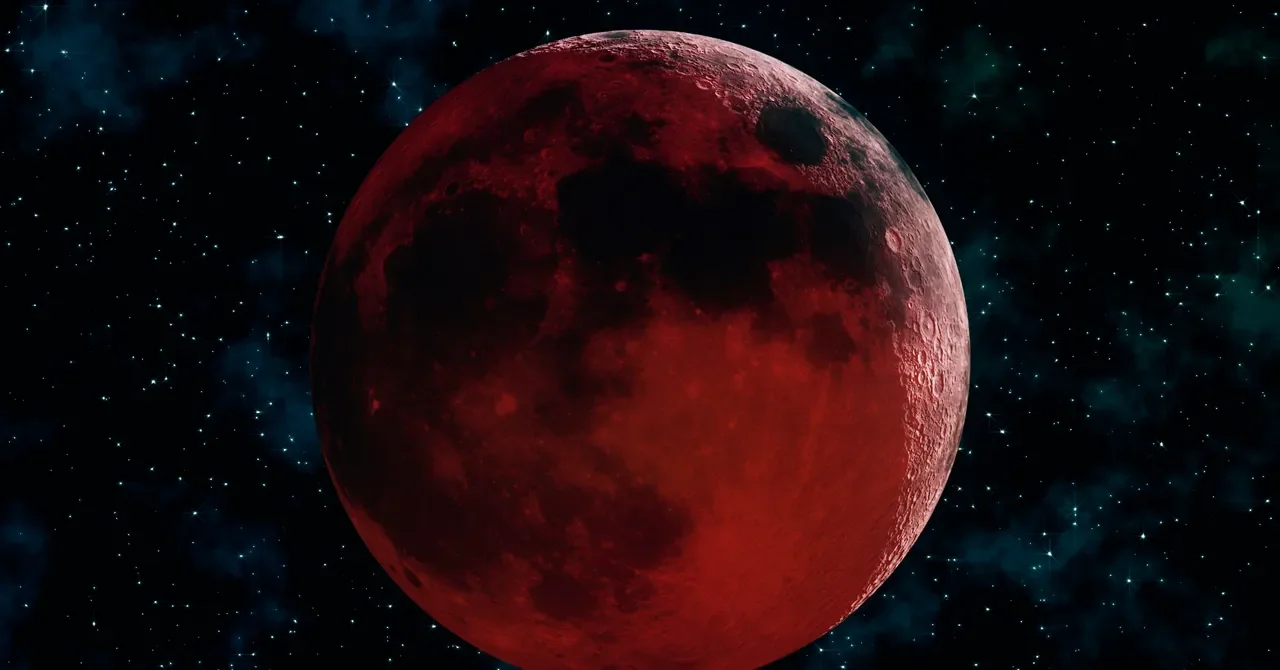
March’s full Moon, the Worm Moon, peaks at 11:38am on March 3 and will appear full around that time. For parts of North and South America, East Asia and Australia, the Moon will pass through Earth’s shadow in a total lunar eclipse, turning a blood-red color (the Blood Moon). The UK won’t see the eclipse as the Moon will be below the horizon during the eclipse. The piece also notes that many cultures assign names to full Moons (e.g., Worm Moon, Crust Moon) to reflect seasonal events.
March 3 Blood Moon: How to Catch the Dawn-Visible Total Lunar Eclipse
science1 month ago

March 3 Blood Moon: How to Catch the Dawn-Visible Total Lunar Eclipse

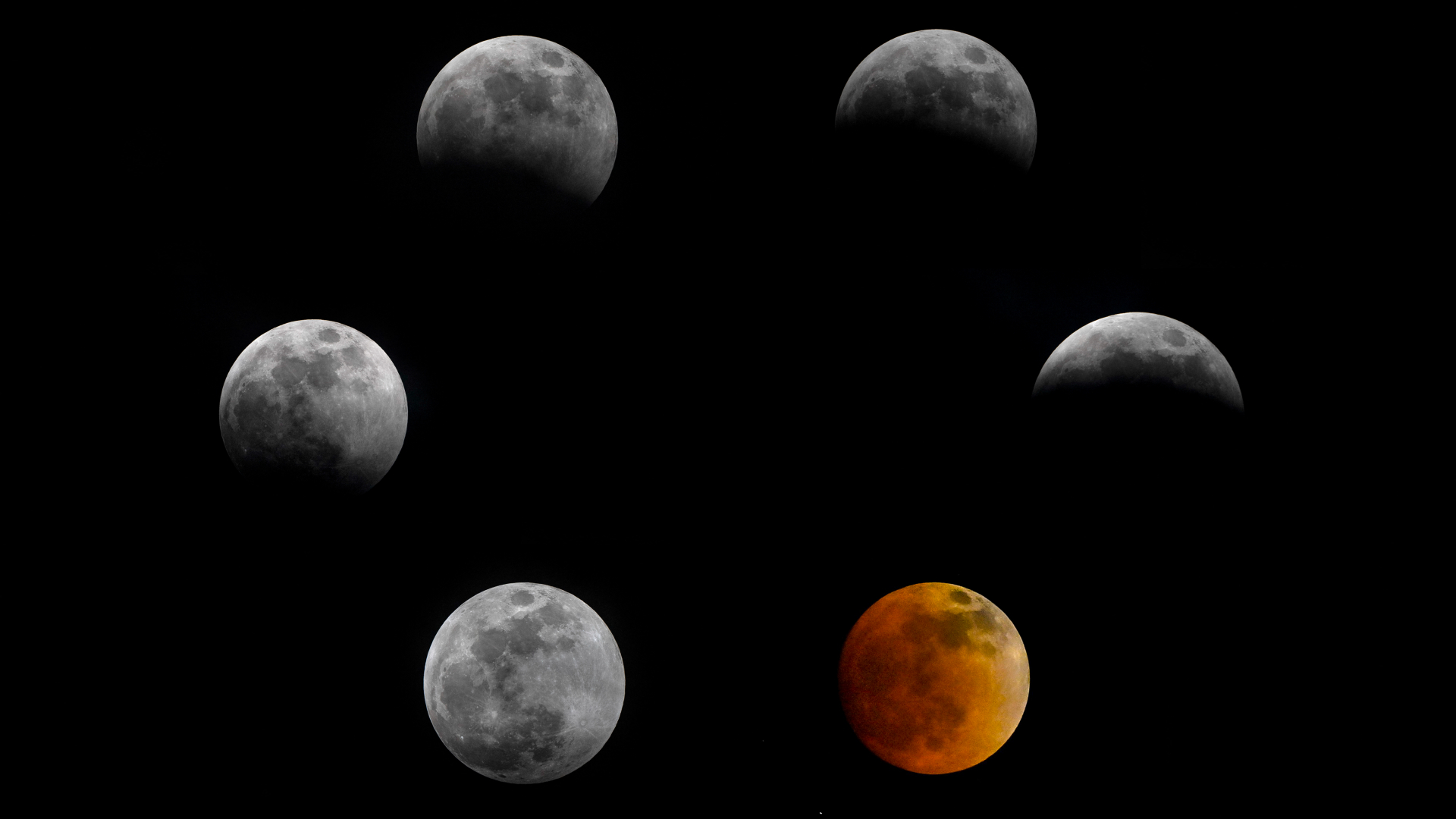
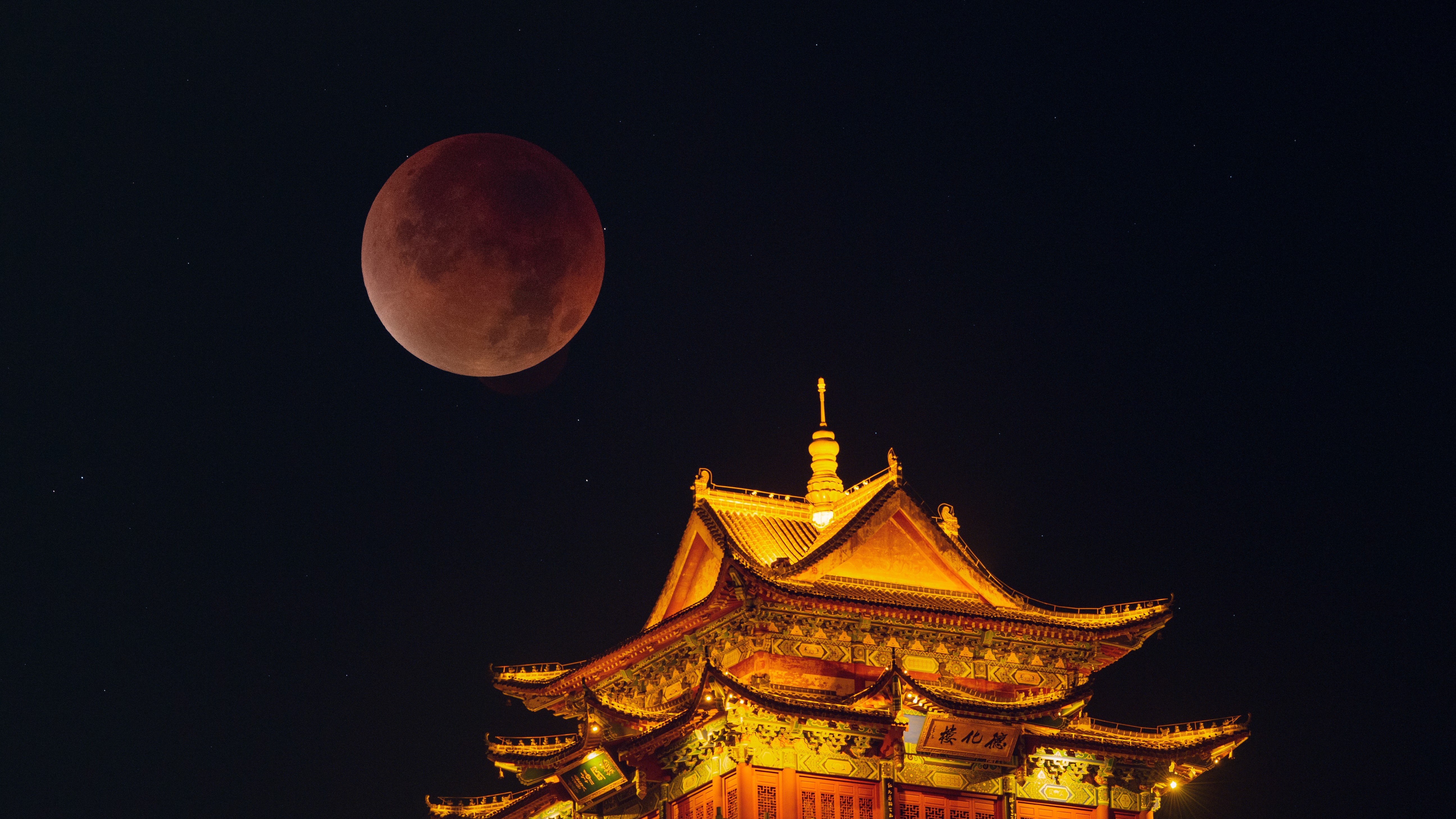
The first major 2026 astronomical event is a total lunar eclipse (the 'blood moon') on March 3. It will be visible in North and Central America, with partial visibility in Central and South Asia, and not visible in Europe or Africa. Totality lasts about 12 minutes near dawn; times vary by location (roughly LA 3:04 am to DC 6:04 am). No special equipment is needed; observe from a high, unobstructed vantage point as the Moon nears the horizon. The red hue comes from sunlight filtered through Earth's atmosphere. Total lunar eclipses occur about every 2.5 years, rarer than solar eclipses.

Upcoming Blood Moon Total Lunar Eclipse: What to Expect
science7 months ago

Upcoming Blood Moon Total Lunar Eclipse: What to Expect

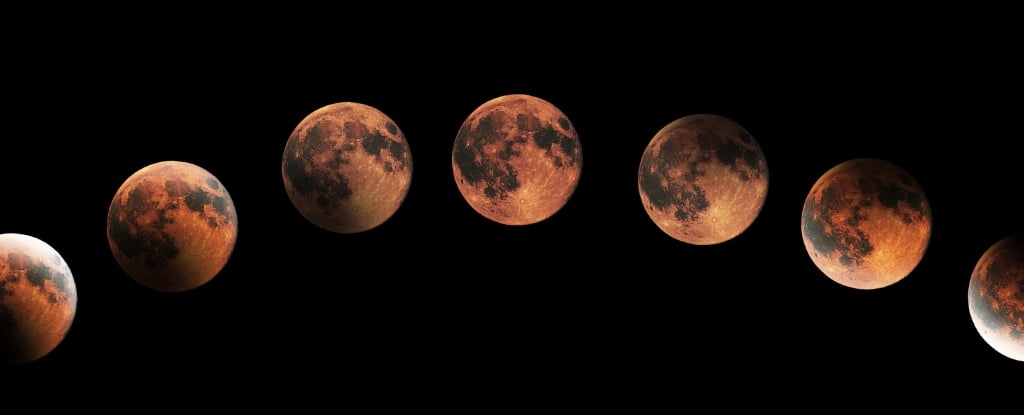
A total lunar eclipse, known as a 'Blood Moon,' will be visible across Asia, parts of Europe, and Africa on Sunday night, lasting from 17:30 to 18:52 GMT, with the Moon turning deep red due to Earth's atmosphere scattering sunlight. The event offers a rare viewing opportunity for skywatchers in these regions, while others will see only a partial eclipse or miss it entirely. This eclipse is a prelude to a more significant event next year—a rare total solar eclipse visible in parts of Europe.