Tag

Ufs 40

All articles tagged with #ufs 40

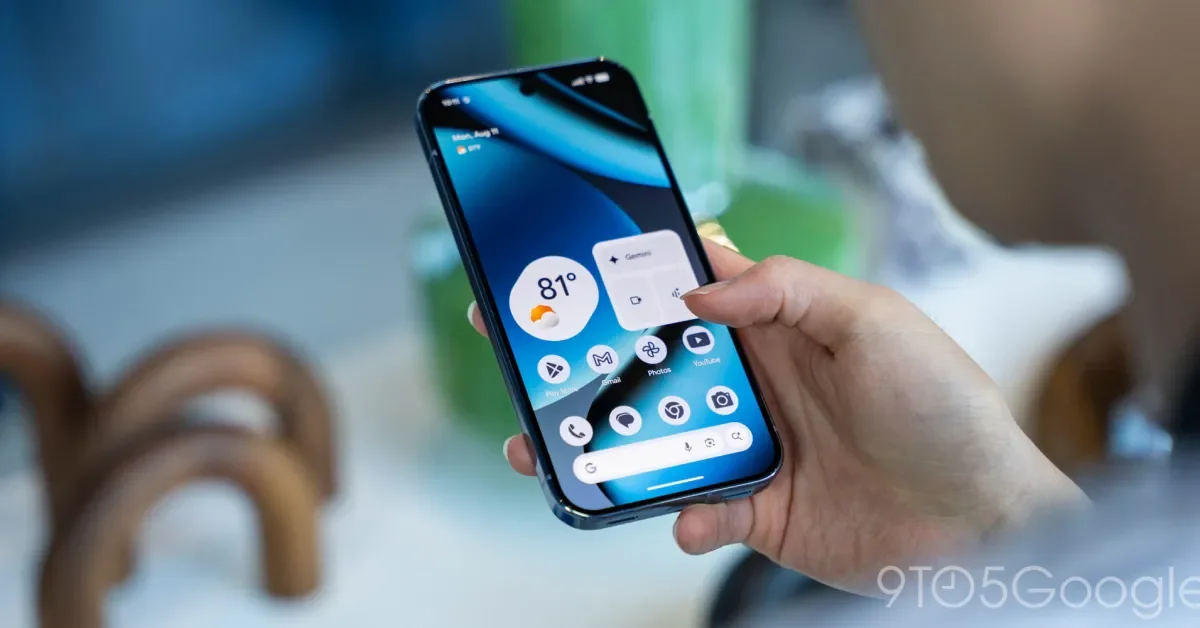
S26 Ultra sticks with UFS 4.0 storage, not the anticipated 4.1
technology1 month ago

S26 Ultra sticks with UFS 4.0 storage, not the anticipated 4.1

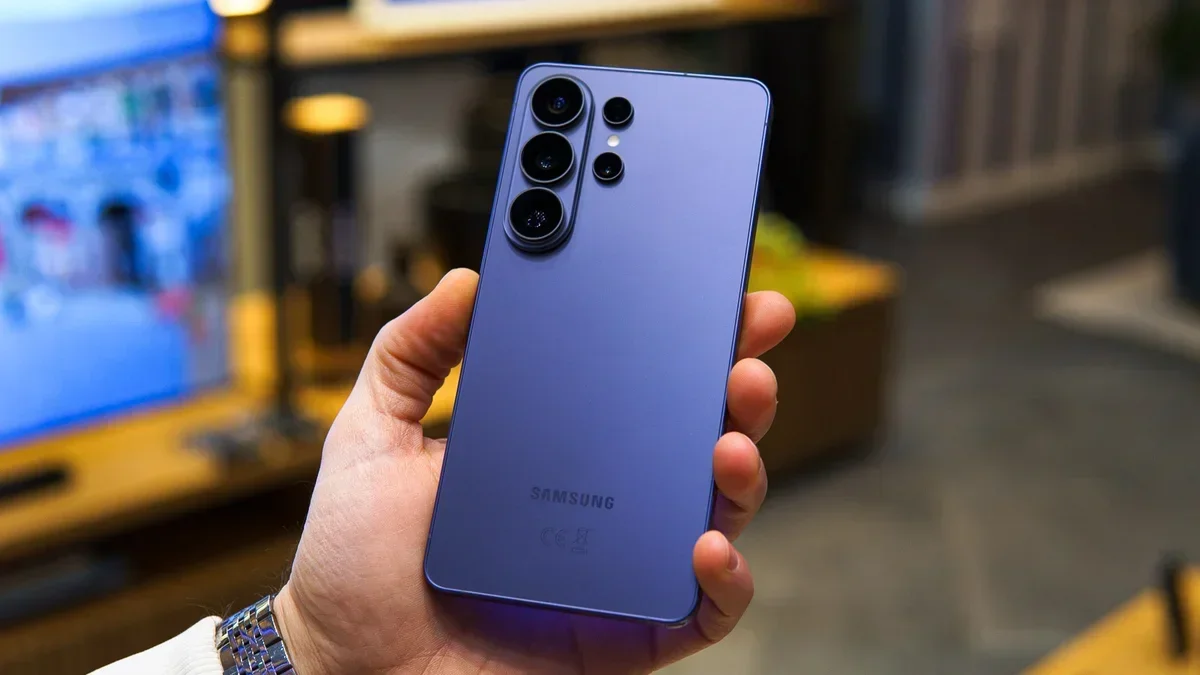
Samsung confirms the Galaxy S26 Ultra uses UFS 4.0 storage instead of the rumored UFS 4.1. While 4.0 remains fast enough for daily use, 4.1 would add improvements like enhanced defragmentation, buffer resizing, and QLC NAND support. The Ultra is priced at $1,299, with the base S26 and S26 Plus costing more this year, and future generations may bring newer UFS versions.
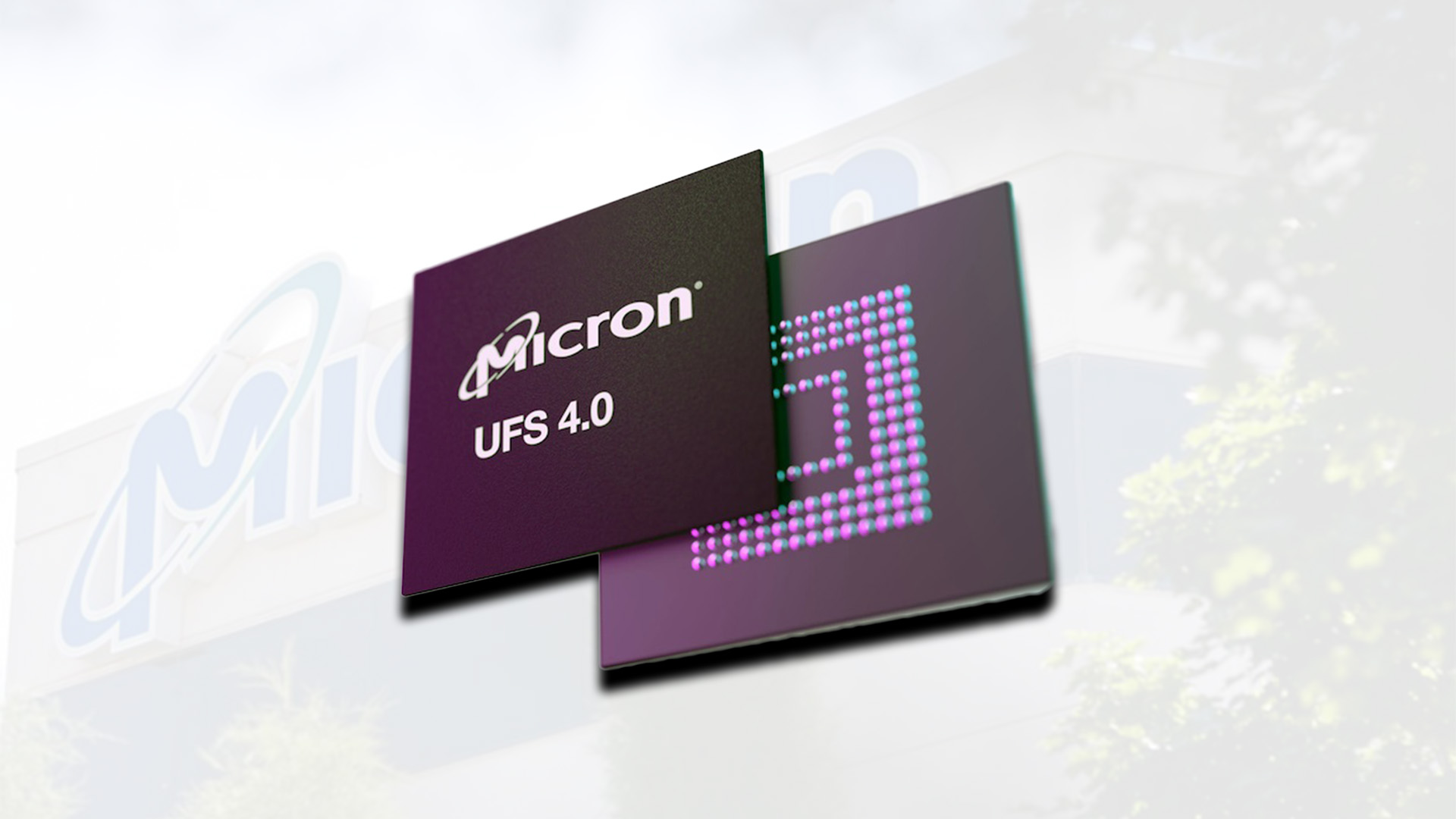
"Micron Introduces World's Smallest UFS 4.0 Storage Package with Impressive Speeds for Next-Gen Phones"
technology2 years ago

"Micron Introduces World's Smallest UFS 4.0 Storage Package with Impressive Speeds for Next-Gen Phones"

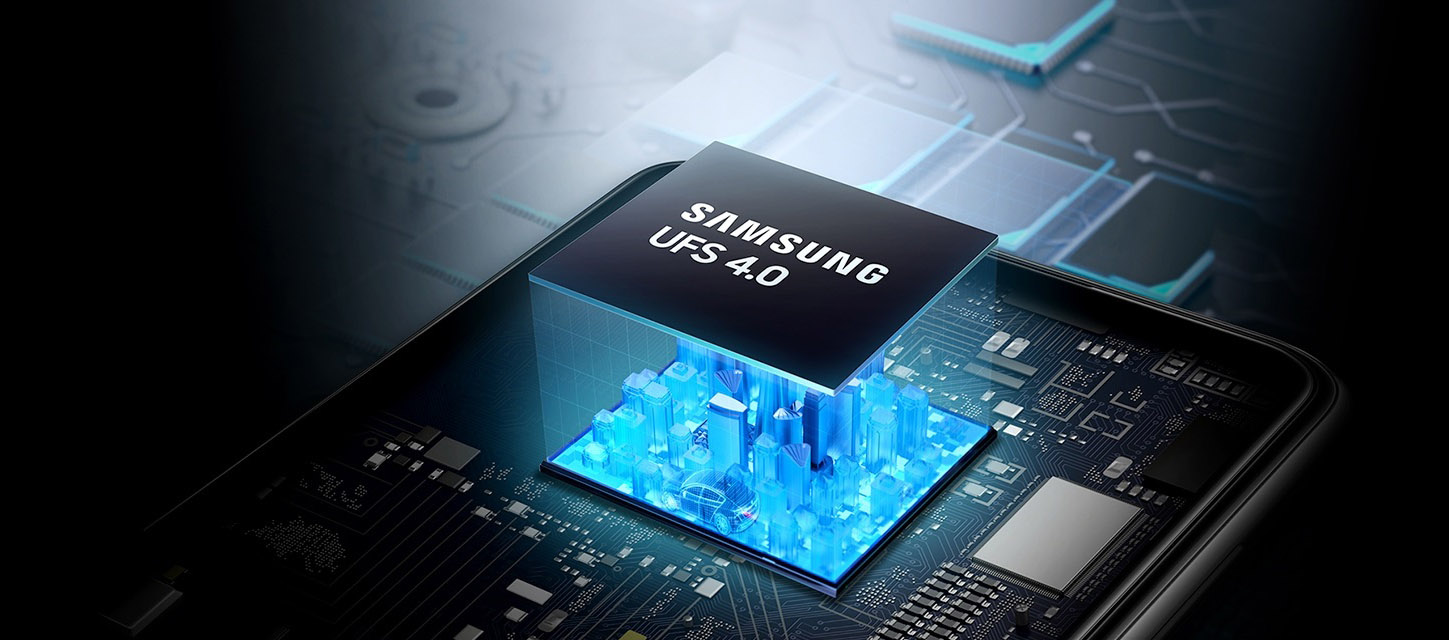
Micron has unveiled the world's smallest UFS 4.0 storage chip, measuring just 9mm by 13mm, with sequential read and write speeds of 4,300MB/s and 4,000MB/s, respectively. The reduced size was a result of feedback from smartphone manufacturers, aiming to accommodate larger batteries. The chip also offers improved power efficiency and features like High-Performance Mode, One Button Refresh, and Zoned UFS. Available in capacities of 256GB, 512GB, and 1TB, samples are already being shipped to partners for integration into upcoming high-end smartphones.

OnePlus 12R Storage Blunder Leads to Buyer Refunds
technology2 years ago

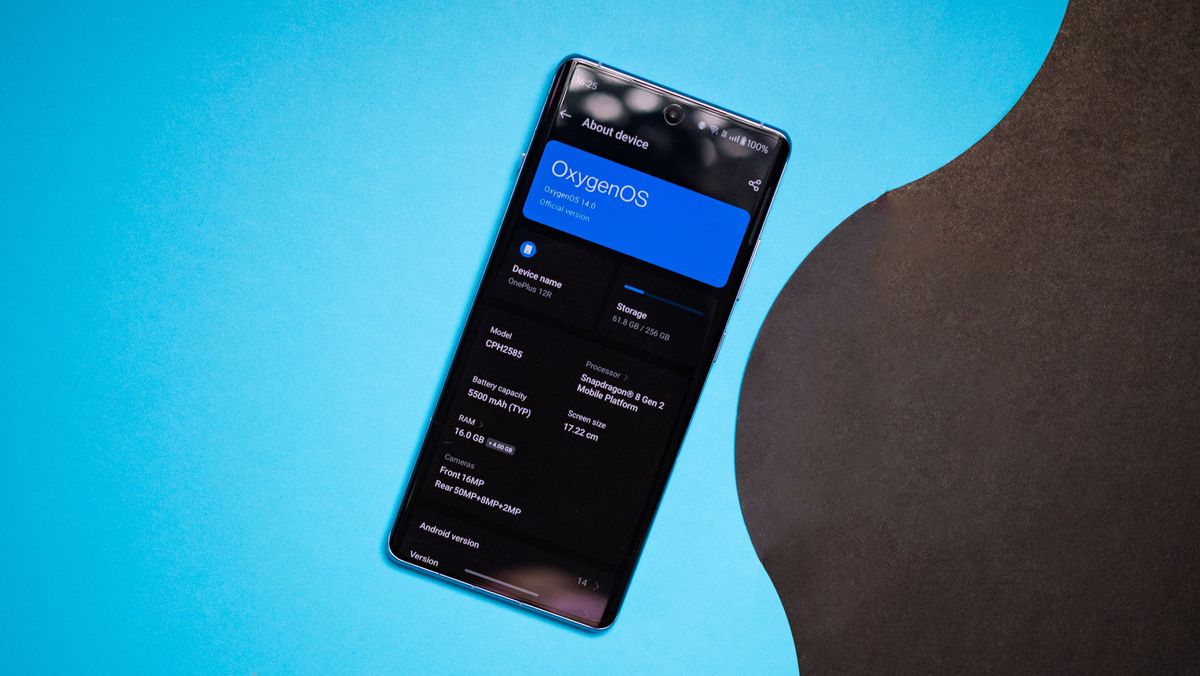
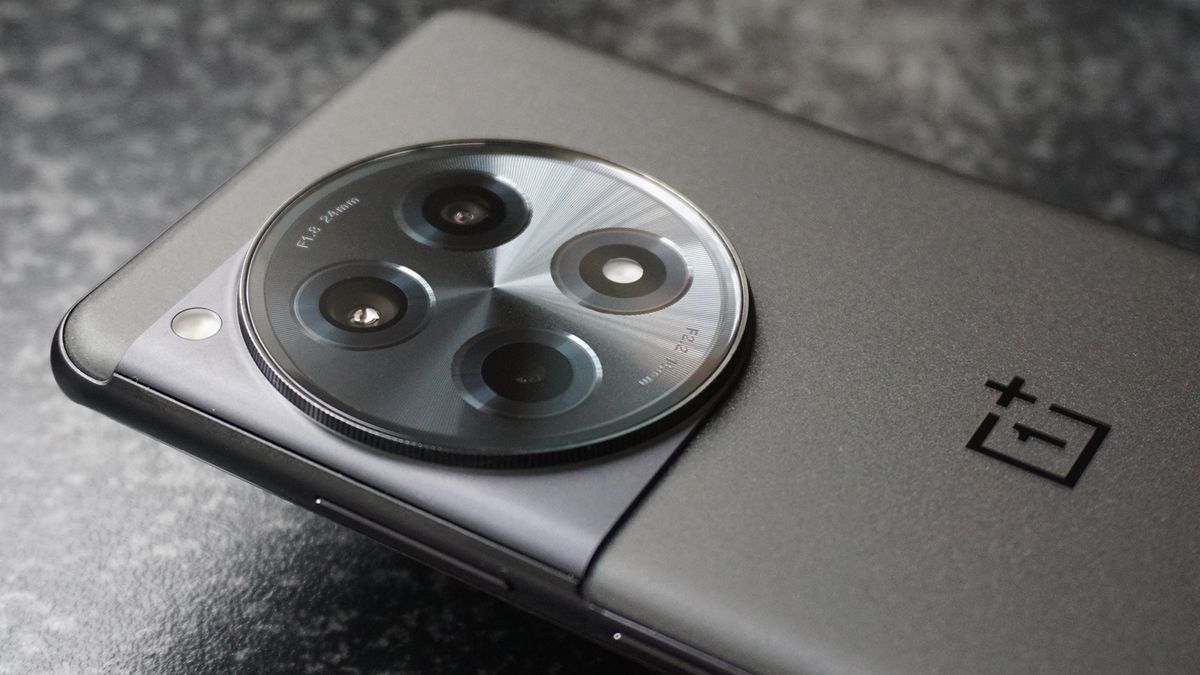
OnePlus 12R Storage Blunder Leads to Buyer Refunds

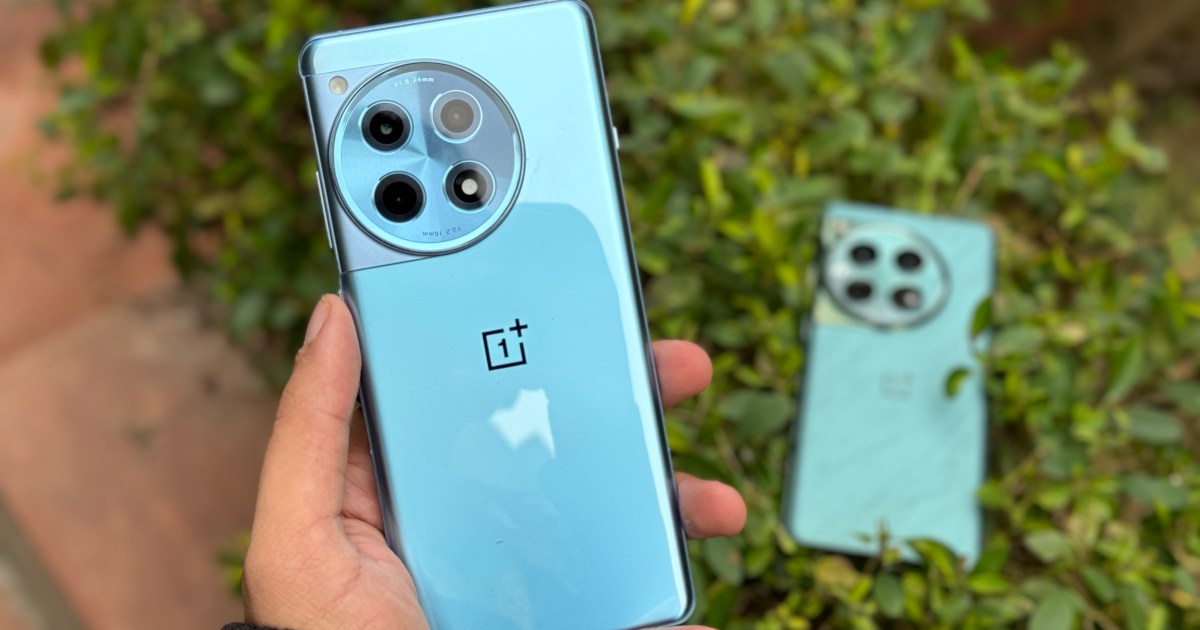
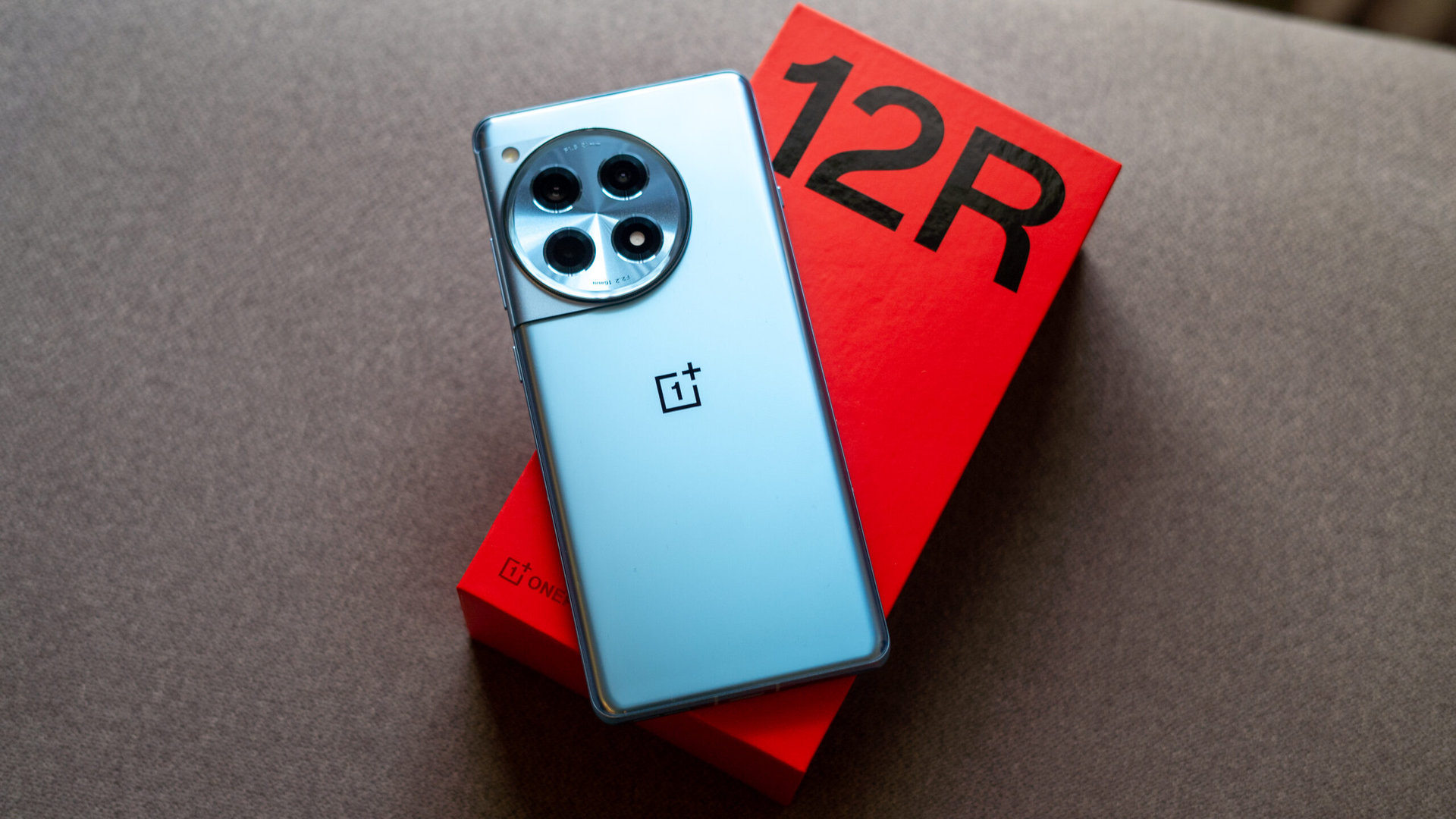
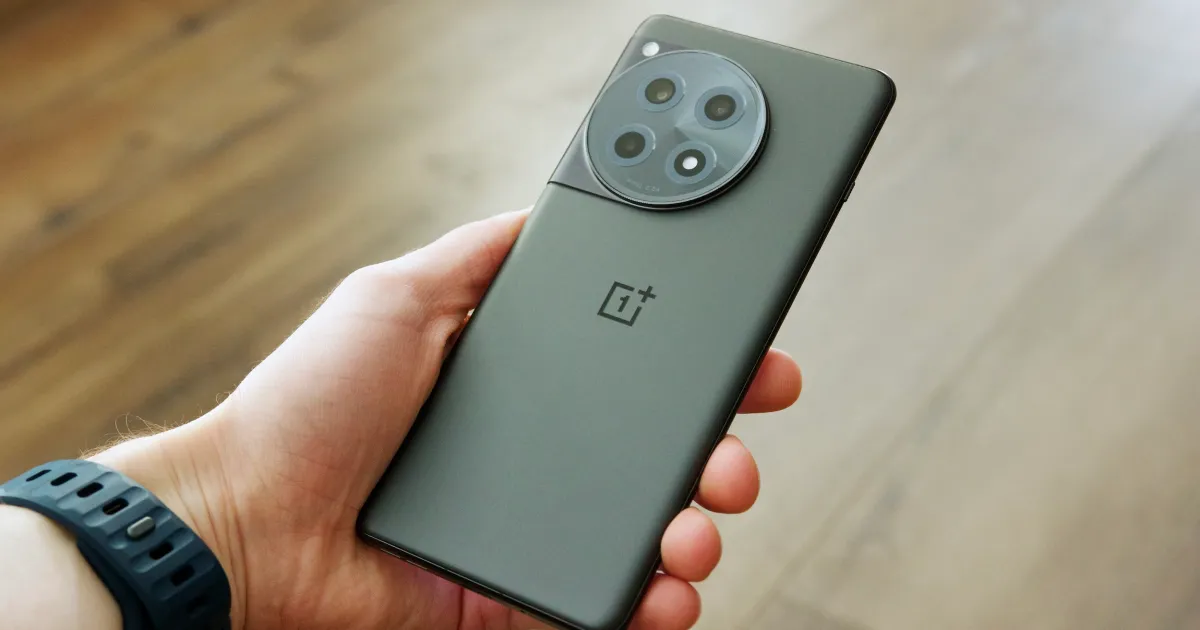
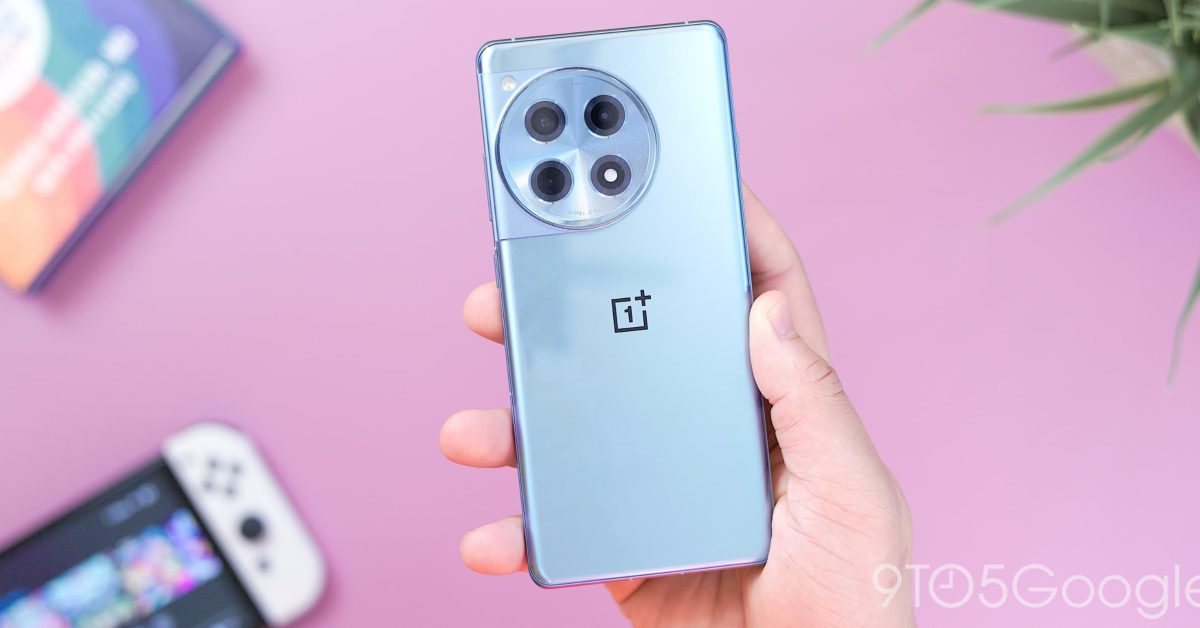
OnePlus 12R buyers who purchased the 256GB variant expecting UFS 4.0 storage are being offered full refunds by the company following a storage blunder. Users have until March 16 to initiate the refund process, as OnePlus aims to rectify the false advertisement and restore trust in the device. Despite the lack of UFS 4.0 support, the OnePlus 12R still retains the Trinity Engine and its benefits, providing users with an alternative to returning the device.

OnePlus 12R Owners Receiving Refunds Over UFS 4.0 Speeds Discrepancy
technology2 years ago

OnePlus 12R Owners Receiving Refunds Over UFS 4.0 Speeds Discrepancy

OnePlus 12R owners who purchased the 256GB variant are being offered full refunds after it was discovered that the company falsely advertised the model as using the faster UFS 4.0 standard when it actually used the slower UFS 3.1 memory. The refunds are available until March 16, 2024, as a gesture to compensate for the misleading marketing. Despite the false advertising, the 256GB variant still offers great value with 16GB RAM and Qualcomm’s previous-generation Snapdragon 8 Gen 2 chipset.

"OnePlus 12R: Surprising Moves and Unbeatable Deals"
technology2 years ago

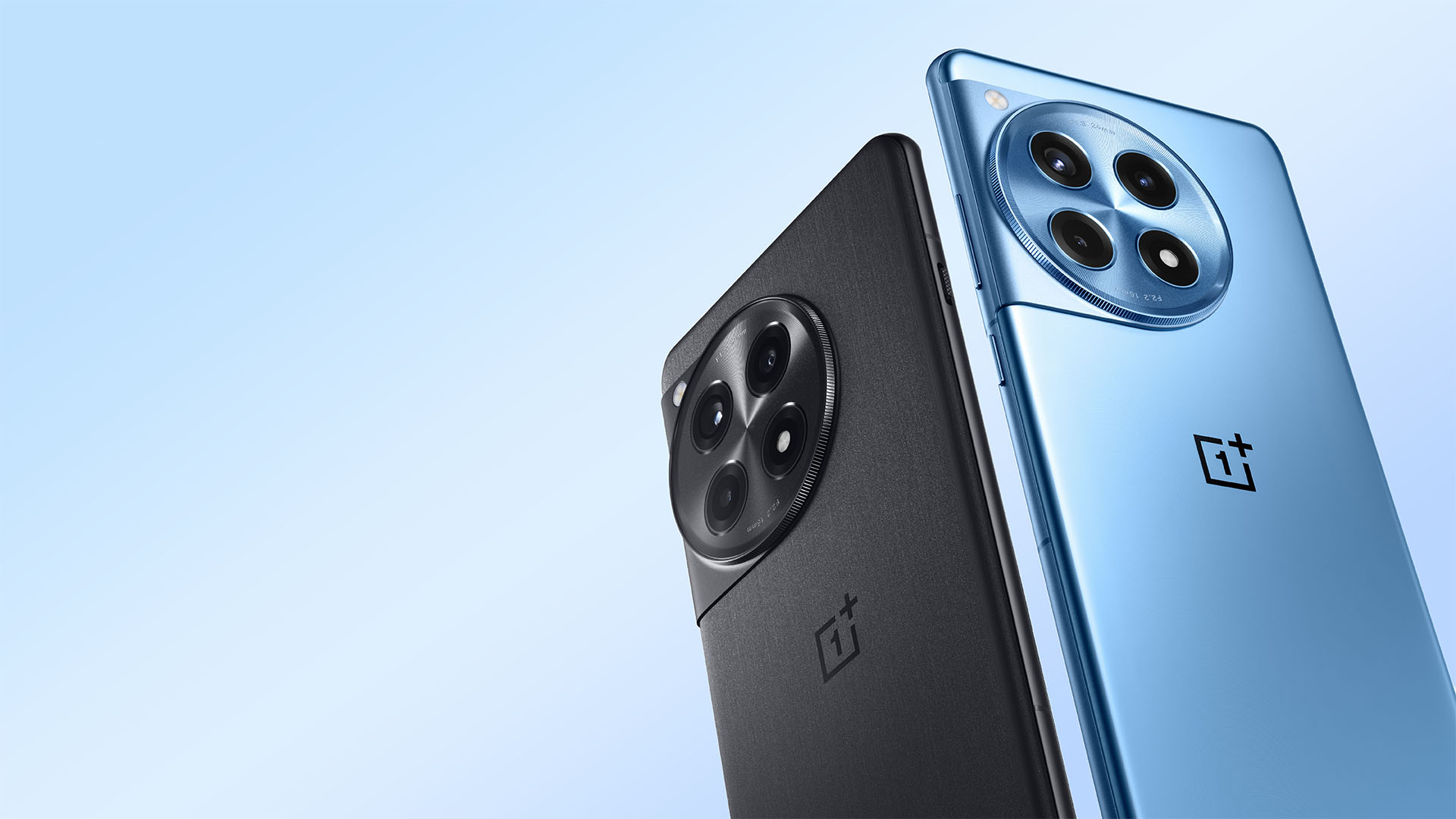
"OnePlus 12R: Surprising Moves and Unbeatable Deals"

OnePlus apologized for falsely claiming that the OnePlus 12R has UFS 4.0 storage and announced a full refund for buyers who were misled by this. The company's CEO, Kinder Liu, stated that affected buyers can contact customer service for a refund until March 16, 2024. The UFS 4.0 storage offers faster speeds, improved power efficiency, and better data protection compared to UFS 3.1. Despite the marketing mistake, OnePlus is prioritizing customer trust and faith over profits, acknowledging the error and taking steps to rectify it.

"Unveiling the OnePlus 12R: A $500 Flagship Killer with an Awkward Mistake"
technology2 years ago

"Unveiling the OnePlus 12R: A $500 Flagship Killer with an Awkward Mistake"

OnePlus mistakenly advertised the OnePlus 12R with UFS 4.0 storage when it actually uses the older UFS 3.1 standard, leading to disappointment among buyers. The company's president acknowledged the error but did not specify compensation for affected customers. The difference between UFS 3.1 and UFS 4.0 lies in speed and power efficiency, with the latter offering significant performance gains. Despite the mistake, the OnePlus 12R remains a capable smartphone, but the situation has somewhat marred its release.

OnePlus 12R: Broken Promises and Awkward Mistakes
technology2 years ago

OnePlus 12R: Broken Promises and Awkward Mistakes

The new OnePlus 12R is facing criticism after it was revealed that the storage technology used is UFS 3.1 instead of the originally advertised UFS 4.0. While UFS 4.0 offers faster transfer speeds and lower power consumption, for most users, the difference may not be noticeable in day-to-day phone usage. Despite this discrepancy, the OnePlus 12R still offers competitive features, such as a Snapdragon 8 Gen 2 processor, a 6.78-inch AMOLED ProXDR Display, and a triple rear camera setup. Preorder benefits, including free OnePlus Buds Pro 2 in the UK and trade-in credits in the US, make the OnePlus 12R a compelling mid-range device.

"Samsung's UFS 4.0 Storage Upgrade to Boost AI Performance in Smartphones"
technology2 years ago

"Samsung's UFS 4.0 Storage Upgrade to Boost AI Performance in Smartphones"

Samsung is rumored to be working on a new version of the UFS 4.0 storage standard optimized for AI operations on smartphones. Running AI-related programs on handsets requires significant computing power, memory, and storage. To support AI functionality, it is estimated that more than 15% of a smartphone's total storage needs to be utilized. This could lead to the release of 512GB storage variants becoming compulsory. Samsung's new UFS 4.0 version may feature compression algorithms or programming to reduce storage usage. The Galaxy S24 series could be the first to feature this new version, but confirmation from the company is still pending.

"Google Pixel 8's Upgraded Tensor 3 SoC and Specs Leaked"
technology2 years ago

"Google Pixel 8's Upgraded Tensor 3 SoC and Specs Leaked"

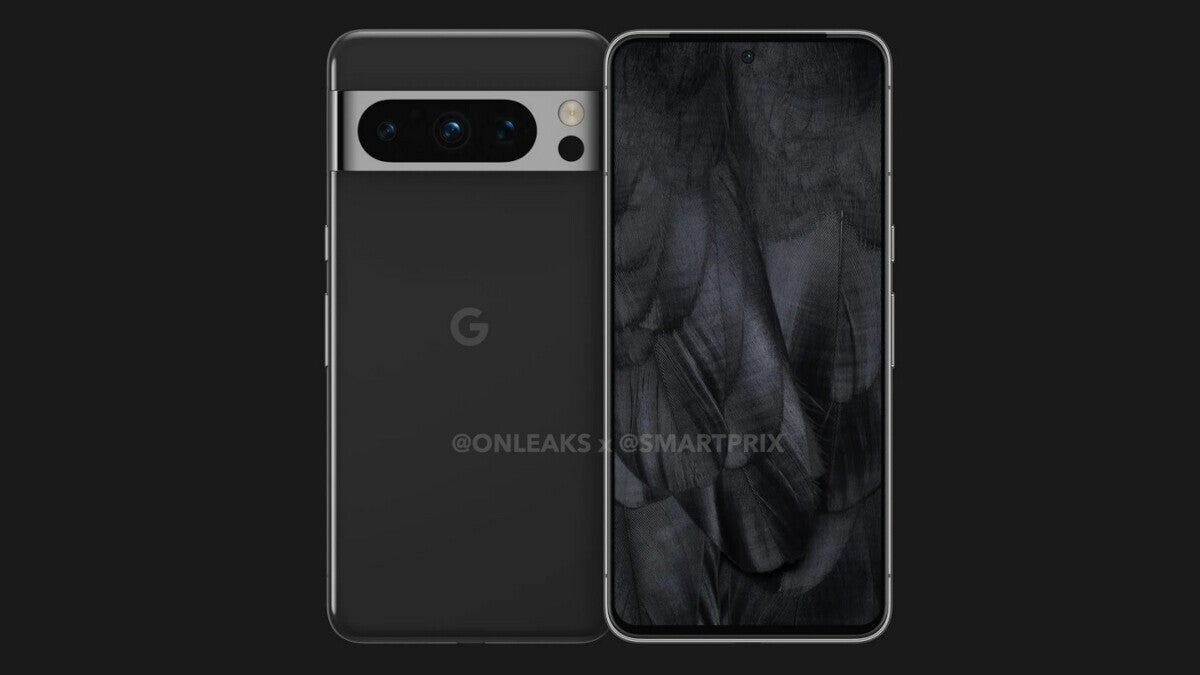
The upcoming Pixel 8 series will be powered by the Google Tensor 3 chipset, featuring a nine-core configuration and Arm's Memory Tagging Extensions. The Pixel 8 line will also get an upgrade to Universal Flash Storage (UFS) 4.0, providing faster data transfer and more power efficiency. The Tensor 3 will use a new version of Google's Tensor Processing Unit (TPU) AI accelerator, potentially improving AI features. However, the Tensor 3 won't be as powerful as the upcoming Snapdragon 8 Gen 3 and MediaTek's next flagship smartphone chipset.