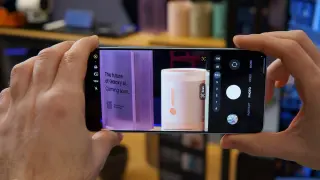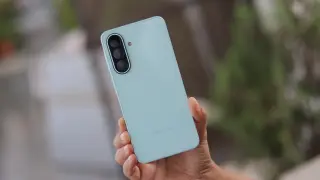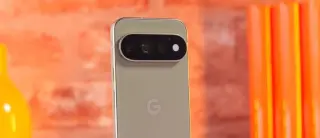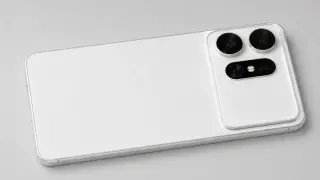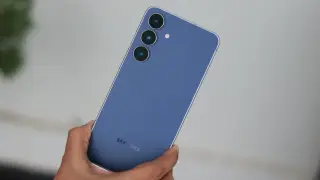
Leaks and renders claim the Galaxy S27 Ultra will ditch the vertical camera stack in favor of a horizontal bar and come in two sizes (with a 6.47-inch display spec noted), while the Galaxy S27/S27+ are expected to keep the current vertical layout; early reactions to the Ultra’s redesign are mixed.
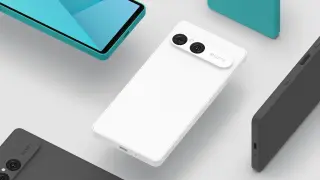
Sony has announced a new Xperia device likely the Xperia 10 VIII, with a YouTube launch event on Aug 25, 2026 at 11:00 JST (Aug 24 in the US at 10:00 PM ET). FCC listings hint at a mid-range spec including a 3.5mm jack, four LTE bands, Bluetooth and Wi‑Fi 6, while 5G was not confirmed. A Geekbench sighting points to a Snapdragon 6 Gen 3 with 8GB RAM, suggesting hardware similar to recent models. US availability seems unlikely; the phone is expected to launch in Japan, with a broader rollout unclear.
Google’s Pixel 11 Pro sticks to a familiar design but with a vastly larger camera bar, removal of the temperature sensor, and new color options (including a matte Obsidian). It uses a 6.3-inch LTPO OLED with brighter output and the same 8-bit panel, plus Gorilla Glass Victus 2; PWM remains at 240Hz. The 4850 mAh battery is still typical one-day use, with wired charging at 30W taking about 1.5 hours for a full charge (55% in 30 minutes), while wireless charging now supports up to 25W with Qi2 magnets for MagSafe-like use. Overall, it’s a refined but not revolutionary upgrade.
Samsung has confirmed two major 2026 launches: the Galaxy S26 FE smartphone and the Galaxy Tab S12 tablet, with the S26 FE due in the second half of the year to sustain momentum and the Tab S12 joining the premium lineup later in the year.
OpenAI is moving beyond software into hardware, previewing its first devices: a portable, screenless AI speaker developed with Jony Ive that runs GPT-Live for personalized, proactive home use, and an AI agent smartphone with a context-aware interface. The speaker reportedly includes a battery, camera, and moving parts, with a planned early-2027 release at $200–$300. The phone would use a customized MediaTek Dimensity 9600 chip on a TSMC node, with mass production targeted for the first half of 2027 and manufacturing via Luxshare and Sunny Optical; OpenAI aims for a broader lineup (glasses, lamp, earbuds) tied to its io Products acquisition, while Apple’s related trade secrets lawsuit could influence timing.
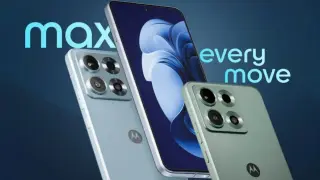
Motorola’s Edge 70 Max looks strong on paper with a 7,100 mAh battery and 90W charging, a 6.82-inch LTPO display with up to 7,000 nits brightness, and magnetic wireless charging, all while aiming for a lower price than competitors. Yet the editor is skeptical: the phone is launching first in India only, risking a limited global footprint (no US/Europe confirmation yet), and it uses the non-Elite Snapdragon 8 Gen 5 instead of a true flagship chipset. Unless Motorola expands to more markets and delivers compelling value, the Edge 70 Max may remain promising but under-delivered. The piece leaves room for optimism if broader availability and strong pricing materialize.
The Galaxy S26 FE has appeared on the Wireless Power Consortium site, pointing to a SM-S741 model with a 6.7-inch Dynamic AMOLED 2X display at 120Hz, 8GB RAM, and 128/256/512GB storage. It is reportedly powered by an older Exynos processor (not the 2nm Exynos 2600), and houses a 4900–5000 mAh battery with 45W wired charging, plus Qi 2.2.1 wireless charging up to 25W with improved magnetic alignment. The phone features a rear camera bump nicknamed Traffic Light, similar to the base S26, and is expected to launch in late August or September 2026 as an entry-level flagship in Samsung's FE line.
Rumors peg the iPhone 18 Pro Max as Apple’s biggest leap in years, with a rumored 7-inch immersive display featuring a smaller under‑display Dynamic Island and Face ID, a 5,200 mAh battery offering up to two days of typical use, and the A20 Pro chip on a 2‑nm process paired with 16GB RAM and up to 2TB storage. The camera system gets a 48MP triple-lens setup with a variable aperture, while a titanium chassis, satellite connectivity, Wi‑Fi 7, and iOS 27 with advanced AI features are also on the radar, plus new finishes like Dark Cherry.
New leaks point to a OnePlus 16 with a high-refresh-rate display (rumored around 185–240 Hz), a 200MP periscope telephoto camera with 3x optical zoom, and possibly a Snapdragon 8 Elite Gen 6 Pro with a large battery; details are unconfirmed and launch is expected in Q4 2026.
An American internist/pediatrician exposed to Ebola while treating patients in Congo says allowing his son to use a smartphone feels riskier than their Congo missionary work; he is in isolation in Prague after evacuation as the Ebola outbreak prompts growing concern and surveillance.
The Trump Phone (Trump Mobile T1) will begin shipping this week after nearly a year of deposits and multiple delays. The device reportedly ships with a smaller screen and less memory than initially promised, and pre-order terms now say production is not guaranteed. The company had trimmed the original Made in USA claim, sparking skepticism about domestic manufacturing, while analysts note the typical complexity of bringing an Android device to market and critics question Trump leveraging his name for profit.
Amazon's devices chief Panos Panay says the company is not pursuing a new smartphone, citing the Fire Phone's failure and emphasizing a strategy to make devices profitable by boosting use of Amazon services and AI rather than launching another phone.
Trump Mobile’s CEO Pat O’Brien told USA Today that the Trump Phone (T1) will begin shipping to buyers this week and that all preorders will be fulfilled in the coming weeks, despite an 11-month delay since its announcement. The phone has FCC and PTCRB certifications and was added to Google Play’s device list, with a new promo video released amid viral reports of canceled preorders that lack verified evidence or numbers; The Verge has preorder units but no confirmed delivery yet.
Amazon’s head of devices, Panos Panay, says the company isn’t necessarily planning a new smartphone, while not fully denying a project tied to a rumored Alexa-enabled AI phone codenamed Transformer; he notes the smartphone form factor isn’t vanishing but is evolving, and any future device may differ from a traditional phone, likely learning from the Fire Phone and Panay’s Microsoft experience.
A leak via Ming-Chi Kuo claims OpenAI’s first AI-focused smartphone will use a custom version of MediaTek's Dimensity 9600 (built on TSMC's N2P) with LPDDR6 RAM, UFS 5.0 storage, dual NPUs and enhanced security, with mass production eyed for the first half of 2027; the device has not been officially confirmed.