JWST finds ruby-and-sapphire rain on ultrahot exoplanet WASP-121b
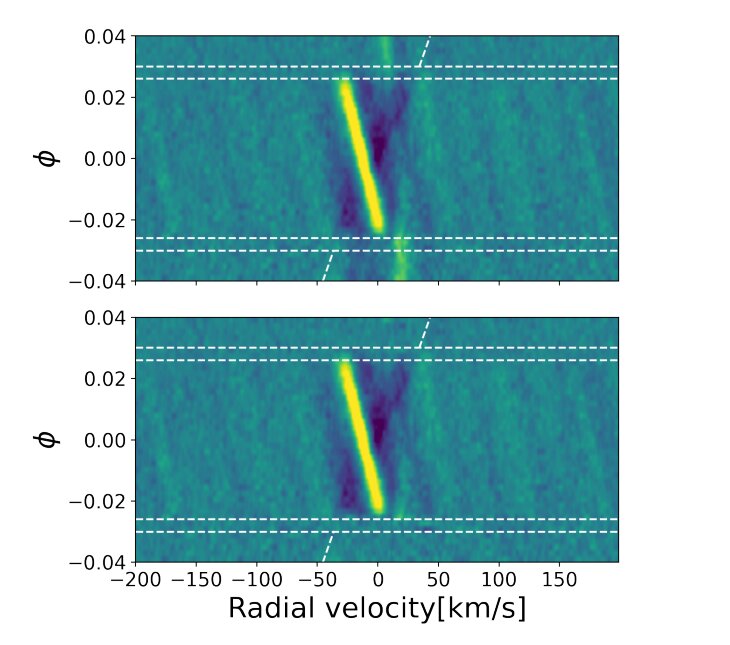
NASA’s James Webb Space Telescope tracked WASP-121b’s atmosphere as it orbits extremely close to its star, revealing a strong day–night contrast: the evening limb is hotter and shows different spectral features than the morning limb, consistent with powerful winds moving heat from the blistering dayside to the cooler nightside. Changes in water vapor and carbon monoxide signals across the planet’s atmosphere indicate temperature differences, with the evening side hot enough to dissociate water and the morning side possibly clouded by silicates. The extreme climate—where molten metals and even condensates that could resemble rubies and sapphires might “rain” on the nightside—follows prior hints of magnesium and iron escaping from the atmosphere. The team notes JWST-style spectroscopy could be applied to other ultra-hot exoplanets, and the study appeared in Nature Astronomy on June 10.