The Department of War published the second release of declassified UAP files under the PURSUE initiative on WAR.GOV/UFO, with additional releases planned and the site having drawn over a billion hits since May 8, 2026.
The study of unidentified anomalous phenomena (UAP) should not be limited to the science and security framework. While understanding the physical aspects and potential national security implications of UAP is important, there are other lenses through which these phenomena should be studied, such as sociology, psychology, ecology, philosophy, and religion. By adopting a multi-disciplinary approach, we can gain valuable knowledge and insights into UAP's impact on various aspects of human activity. Ignoring these perspectives may result in missed opportunities and potential costs. It is crucial to broaden the scope of UAP research beyond the current framework to fully explore its implications.
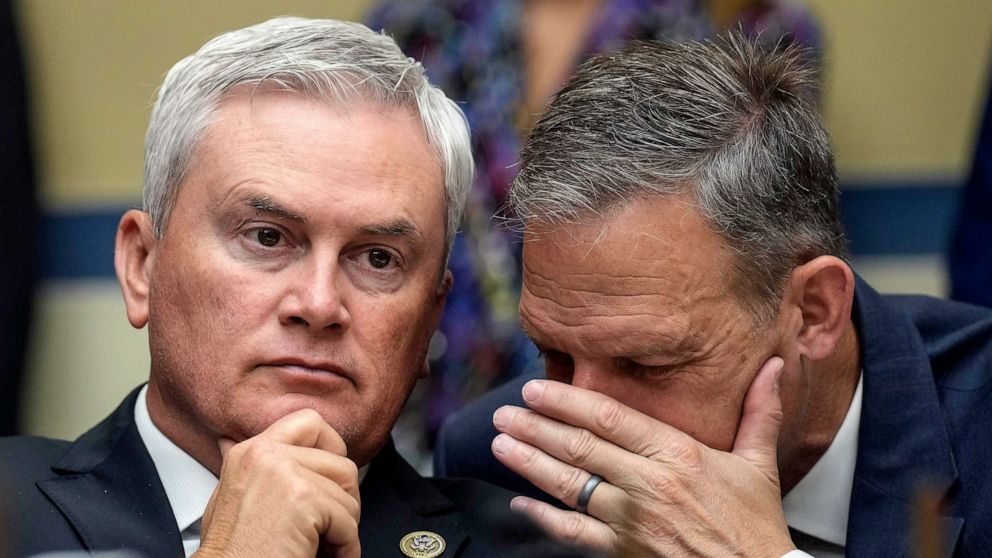
The House Oversight Committee is planning a hearing on UFOs following unconfirmed claims from a former intelligence official that the US has found crashed alien spacecraft. The Pentagon says the claims are unsubstantiated. Republican Reps. Anna Paulina Luna and Tim Burchett will lead the committee's investigation into UFOs, officially referred to as unidentified anomalous phenomena or UAPs. The Department of Defense's UAP task force, reorganized since 2022 as the All-domain Anomaly Resolution Office (AARO), "has not discovered any verifiable information to substantiate" the claims about crashed alien craft.
NASA's team of 16 experts and scientists studying unidentified anomalous phenomena, also known as UFOs, aims to publish its first report by midsummer. The team is tasked with helping NASA produce a roadmap that acknowledges many UAPs historically will never be able to be explained due to poor quality data. The team is trying to assess whether those phenomena pose any risks to safety and is doing so using science. The team has yet to provide NASA with any recommendations, which will be included in the anticipated July report. The team is interested in enlisting the help of citizen scientists to better monitor UAP.