Tag

University Of Stuttgart

All articles tagged with #university of stuttgart

space-technology1 month ago

Stuttgart PhD Research Proposes Indefinite Satellite Orbit Using Atmospheric Air as Fuel

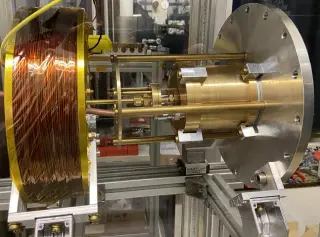
Francesco Romano’s PhD research at the University of Stuttgart introduces a new atmosphere-breathing electric propulsion (ABEP) system that could allow satellites to remain in Very Low Earth Orbit (VLEO) indefinitely without carrying conventional propellant. The system uses a radio-frequency helicon plasma thruster paired with a specular intake to capture atmospheric gases, specifically atomic oxygen, argon, and nitrogen, and convert them into thrust. Laboratory tests demonstrated that the thruster can operate reliably with only 50-60W of power, while modeling suggests it could sustain a satellite between 190 and 250 km altitude using less than 1.6 kW. Although the technology addresses the high cost and limited supply of xenon fuel, it remains unproven in actual space missions due to challenges like atomic oxygen corrosion and atmospheric variability.
Stuttgart Researcher Proposes Air-Breathing Plasma Engine for Indefinite Low-Orbit Satellites
science-and-technology2 months ago

Stuttgart Researcher Proposes Air-Breathing Plasma Engine for Indefinite Low-Orbit Satellites

Francesco Romano’s PhD thesis at the University of Stuttgart introduces a new Atmosphere-Breathing Electric Propulsion (ABEP) system designed to keep satellites in Very Low Earth Orbit (VLEO) indefinitely without traditional fuel. By using a contactless RF Helicon Plasma Thruster and a specular intake, the design converts atmospheric molecules into plasma for thrust, solving the fuel dependency of current VLEO missions.

"Revealing Electron Dynamics with Quantum Microscopy and Terahertz Spectroscopy"
science-and-technology2 years ago

"Revealing Electron Dynamics with Quantum Microscopy and Terahertz Spectroscopy"

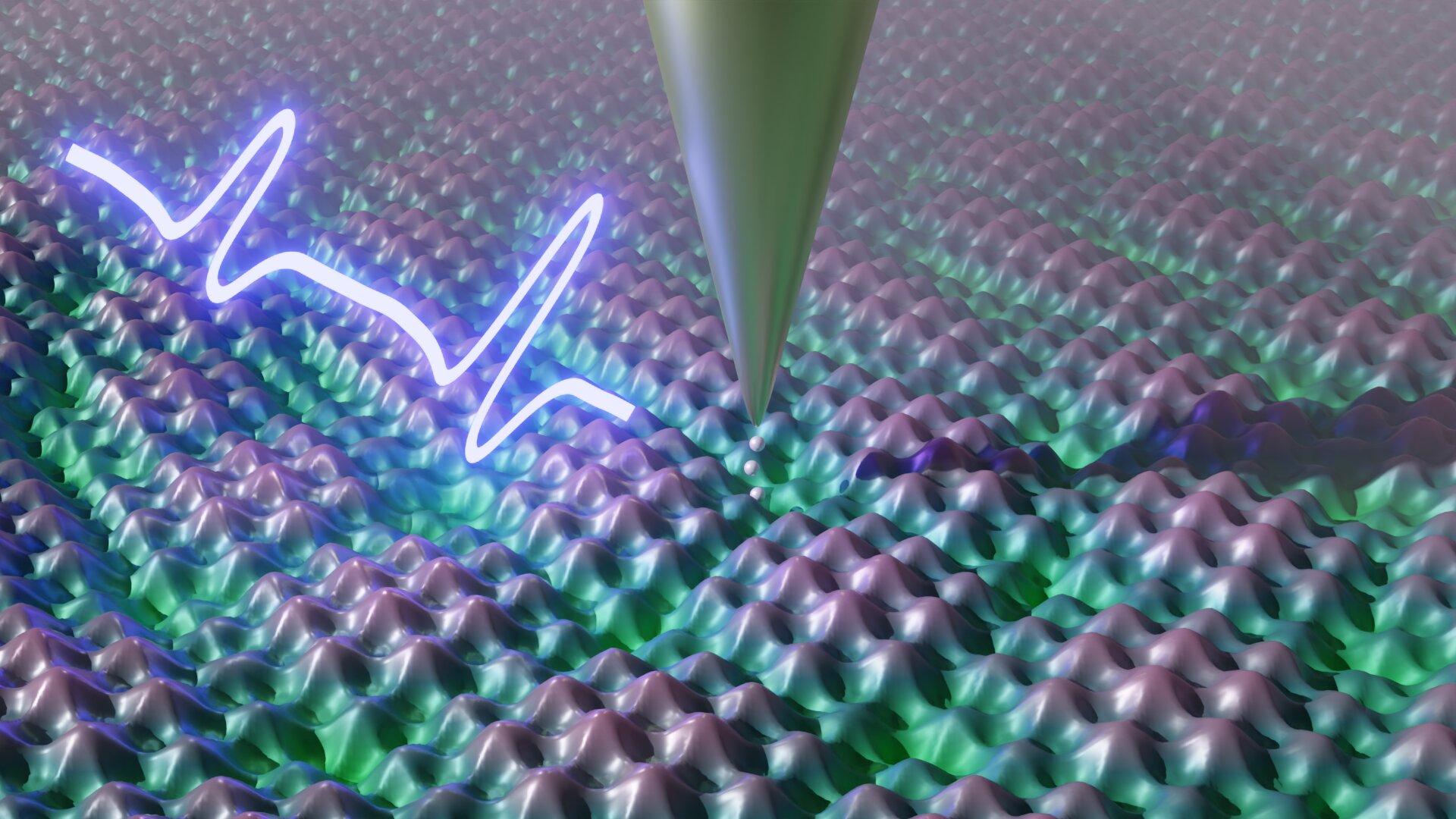
Physicists at the University of Stuttgart have developed a quantum microscopy method that captures electron movement at the atomic level with high spatial and temporal resolution using ultrafast terahertz pulses. This breakthrough, published in Nature Physics, allows for targeted material development by understanding how impurities affect electron behavior, potentially leading to advancements in ultra-fast switching materials for sensors and electronic components.