space-technology2.605 min read
Trisat-S Nanosatellite Captures 'Black Sun' Effect to Validate Autonomous Navigation
3 days ago•Source: European Space Agency (ESA)

The latest space technology stories, each synthesized from multiple sources with added background and context.
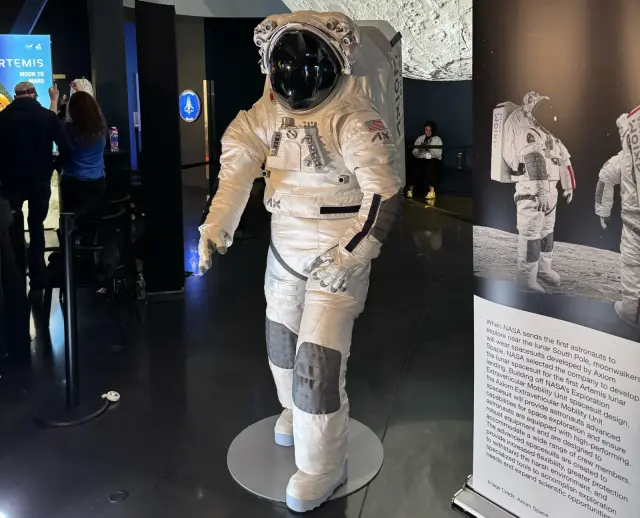
An opinion piece by Dennis Meredith argues that NASA’s Artemis program should look to deep-sea exploration for solutions to current spacesuit limitations. The author notes that current bulky suits restrict astronaut mobility, limit task time, and allow hazardous lunar dust to enter capsules. He suggests that technologies developed for high-pressure, confined deep-sea environments could offer better design principles for future lunar operations.
European Space Agency•1 year ago
Hackaday•2 years ago
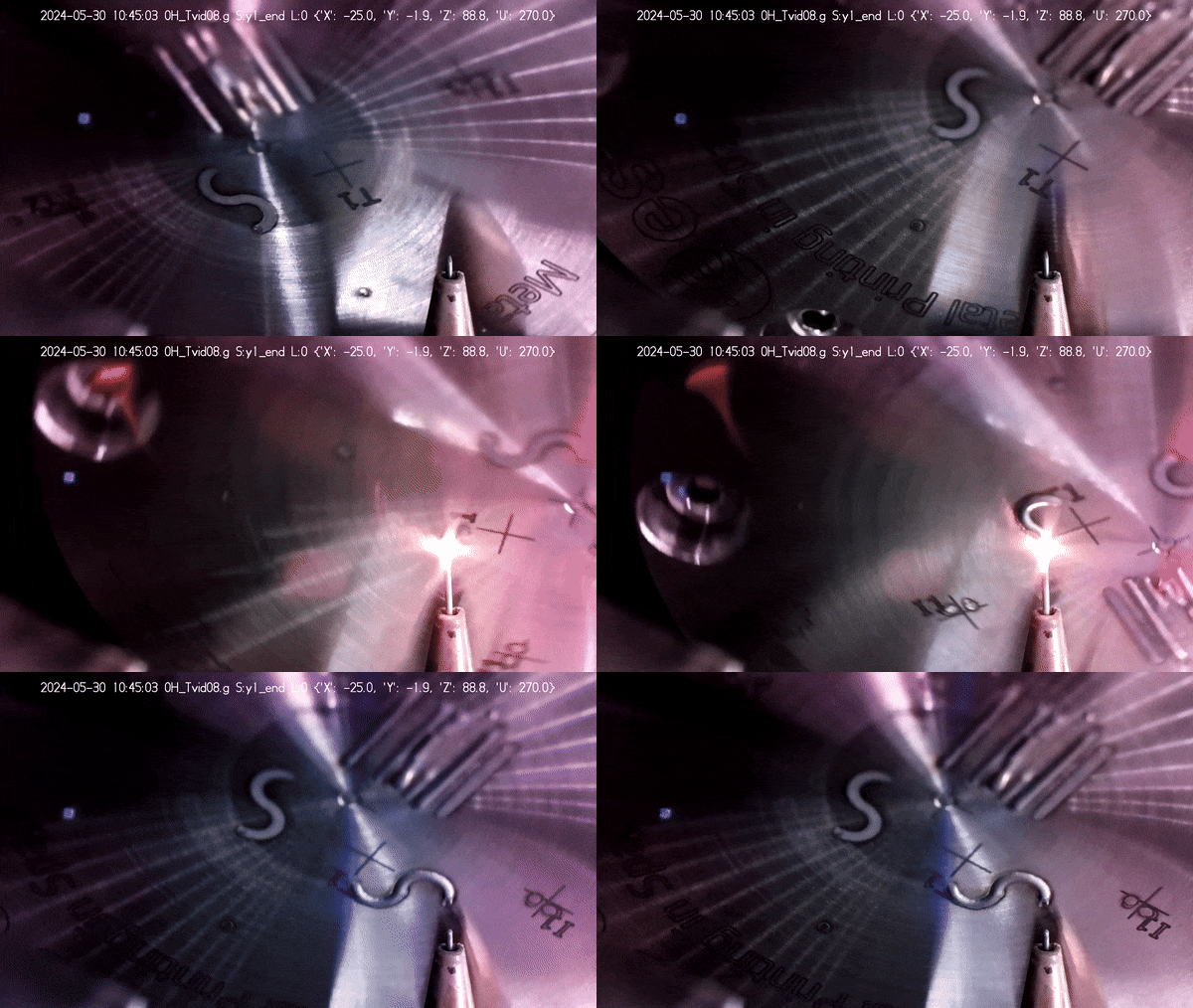
The International Space Station has successfully conducted its first metal 3D printing using a high-power laser to melt stainless-steel wire, marking a significant advancement in in-orbit manufacturing. This milestone, achieved by a team led by Airbus Defence and Space SAS under ESA's guidance, paves the way for future on-demand production of tools and parts in space, potentially leading to a circular space economy.
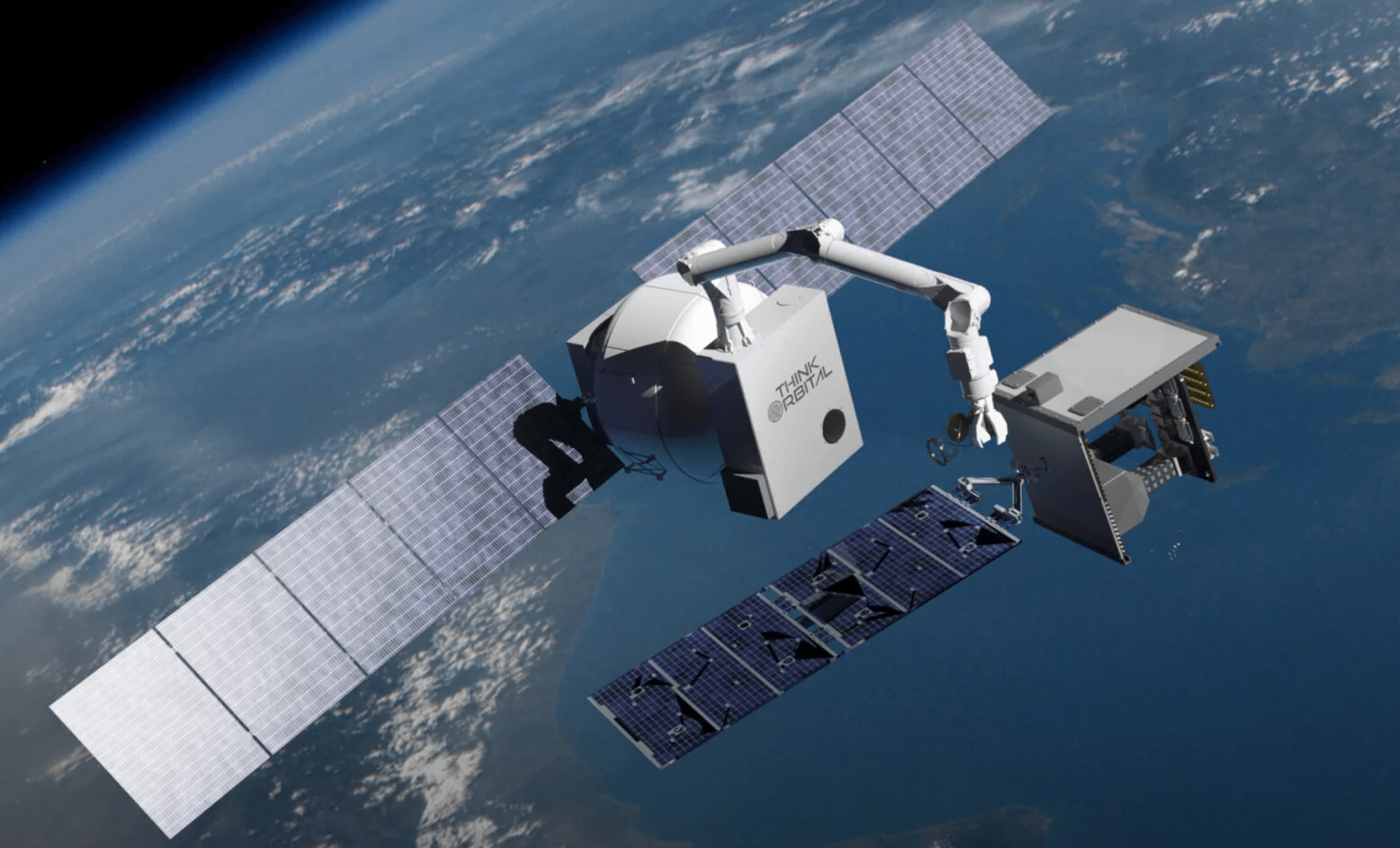
ThinkOrbital is set to demonstrate a robotic arm in space equipped with a welder gun and X-ray imaging capabilities to repair and inspect satellites. This follows their successful autonomous welding experiment aboard a SpaceX mission. The technology has garnered interest from the U.S. military for potential defense applications and is part of ThinkOrbital's broader vision to provide in-orbit repair and maintenance tools. The company is also exploring the development of a spherical habitat for debris recycling and warehousing supplies in space.
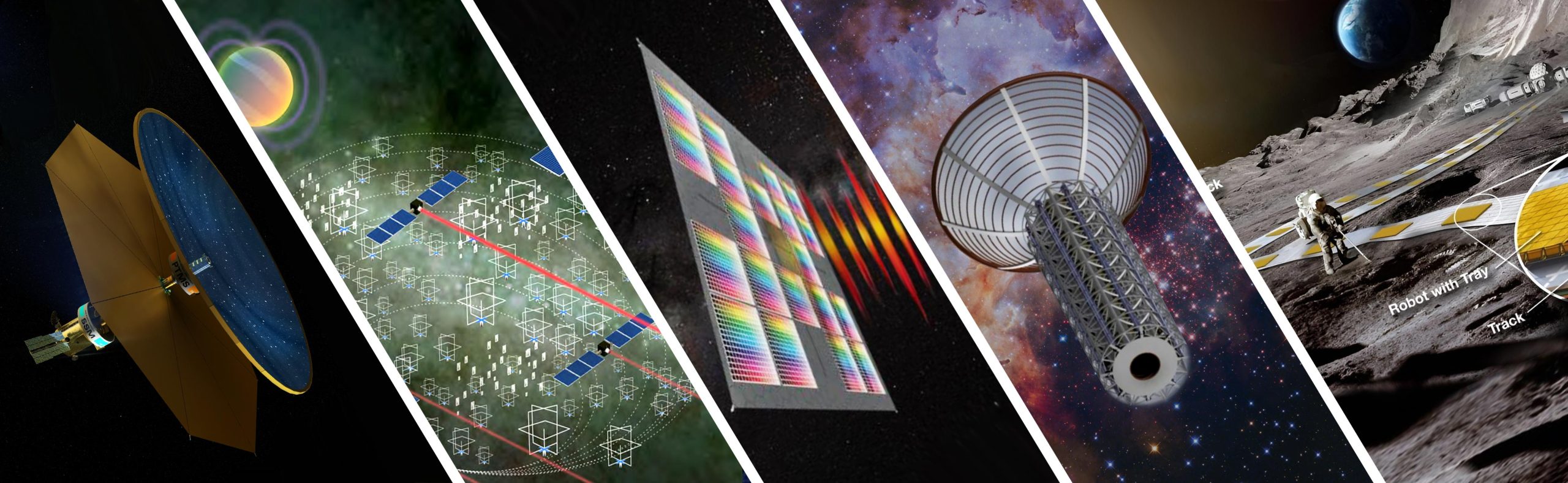
NASA's Innovative Advanced Concepts (NIAC) program is funding six pioneering space technology projects, including a lunar railway and a fluid-based telescope, with up to $600,000 each for further development. These futuristic concepts, which have already completed initial phases, aim to address technical and budget challenges over the next two years, potentially advancing to future aerospace missions.
The European Space Agency is aiming to develop its own version of SpaceX by focusing on reusable rocket technology and reducing the cost of space exploration. This move is seen as a response to the success of SpaceX in the commercial space industry and a bid to compete in the growing market for satellite launches and space missions.
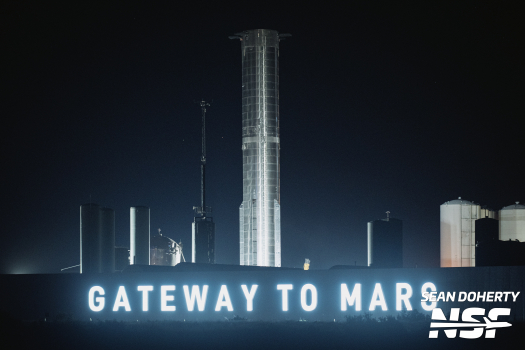
SpaceX is preparing for the upcoming IFT-4 launch of Starship Ship 29 and Booster 11, with plans for future versions of the vehicle taking shape. IFT-4 aims to test Ship 29's reentry into the atmosphere and in-space engine restart, while Booster 11 will attempt a return to a "virtual tower" in the Gulf of Mexico. The company is also working on versions 2 and 3 of the Starship system, with upgrades to increase payload capability and performance. Additionally, Starbase infrastructure is being upgraded to support the evolving Starship program, including the construction of a giant factory known as the "Starfactory" and upgrades to the Masseys site.
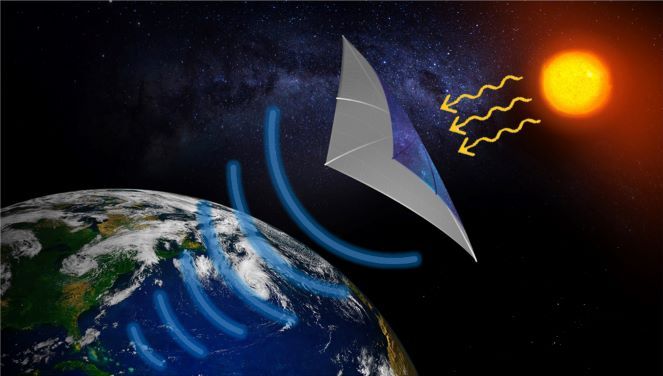
Japan is set to launch a small satellite in 2025 to demonstrate the transmission of solar power from space to Earth, marking a significant step towards a potential space-based solar power station. The satellite will wirelessly transmit energy from low Earth orbit using a photovoltaic panel and microwaves, with the mission part of a project called OHISAMA. While the concept of space-based solar power was once considered impractical and costly, recent technological advances and the urgency to decarbonize the world's power supply have renewed interest in the idea, although some challenges and concerns remain.

China's experimental lunar satellites, Tiandu-1 and Tiandu-2, have begun tests for future lunar communication and navigation services, transmitting images of the moon's far side and Earth. The satellites, launched alongside the Queqiao-2 lunar communications relay satellite, are part of China's preparations for upcoming lunar missions and the planned International Lunar Research Station. The tests will inform the design and construction of lunar infrastructure, including a Queqiao satellite constellation for communication, navigation, and remote sensing.
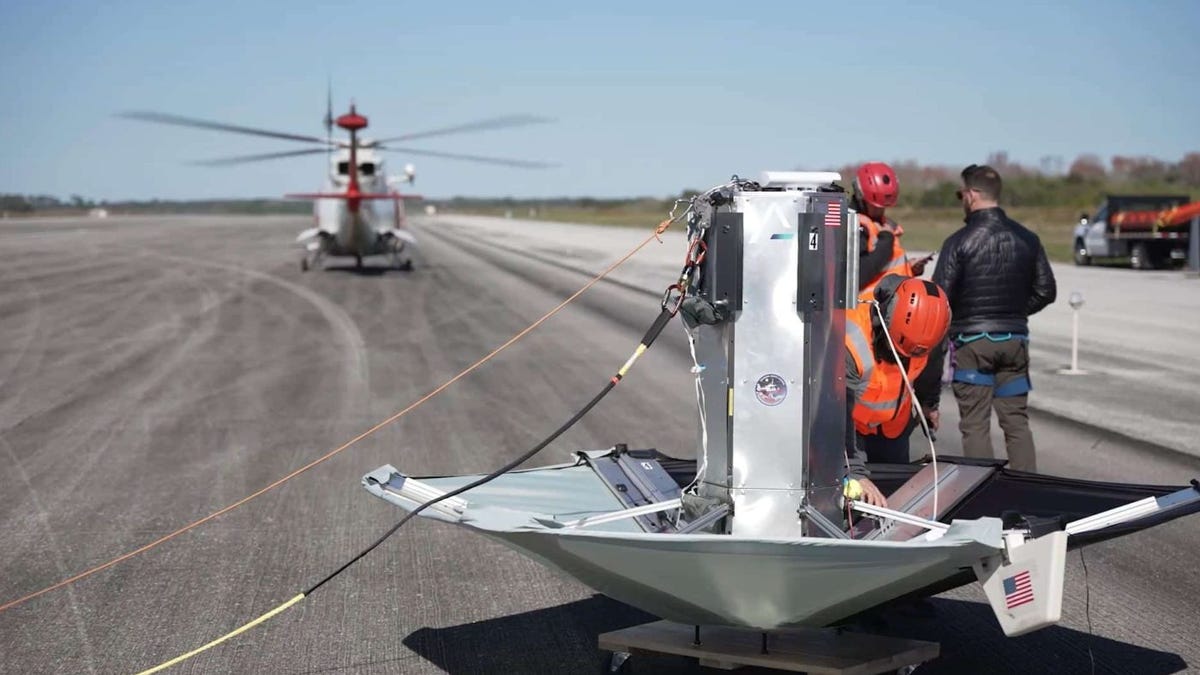
Sierra Space is developing a revolutionary Ghost spacecraft to deliver critical supplies to any location on Earth within 90 minutes, with a focus on aiding national security operations and disaster relief efforts. The spacecraft will be capable of re-entering Earth's atmosphere, withstanding extreme temperatures, and guiding payloads to designated landing areas using a parafoil. This innovative project aims to provide rapid-response courier services and could significantly enhance our ability to deliver essential supplies to those in need.
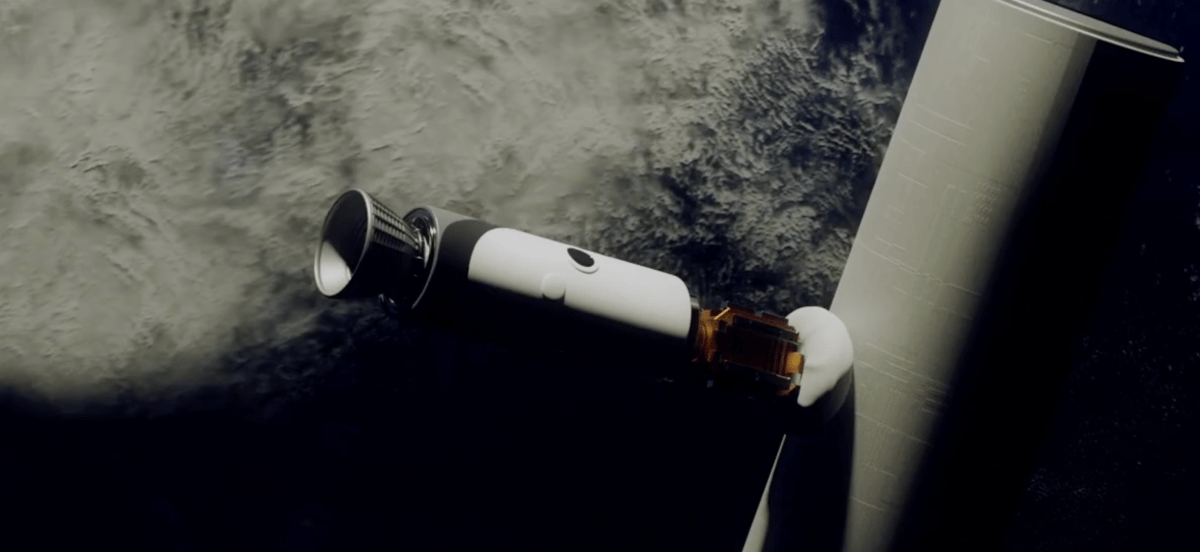
Paris-based startup Dark is developing Interceptor, a spacecraft designed to launch, attach to, and de-orbit uncooperative objects in space using a rocket-powered boxing glove approach. The company aims to become the "S.W.A.T. team of space" and is focused on unplanned, short missions for orbital defense. Dark closed a $6 million funding round and is working on critical systems and technologies needed for quick missions, with a demonstration mission planned for 2026 and a de-orbit attempt in 2027.
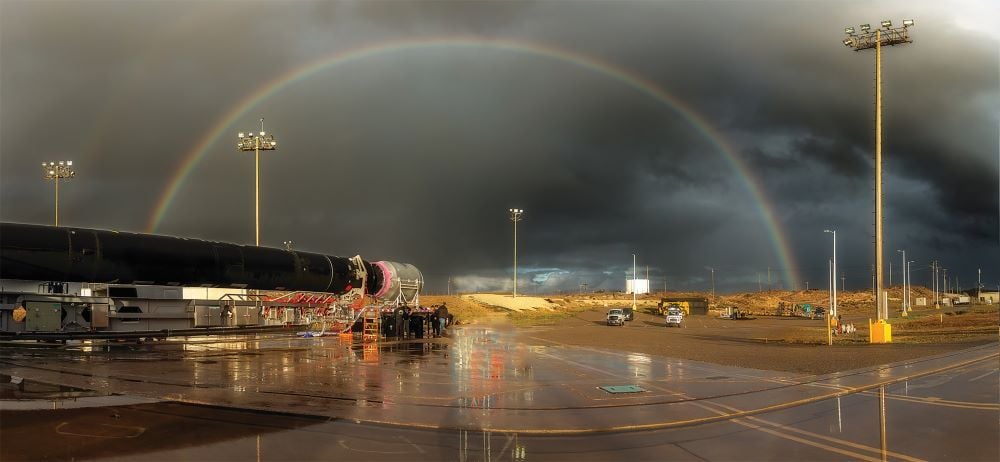
Upper stages of rockets have faced a series of failures in 2023, highlighting the complexity and challenges they pose. Failures from companies like Firefly Aerospace, Virgin Orbit, Rocket Lab, Relativity Space, and Japan's H3 rocket have demonstrated the unforgiving nature of upper stage malfunctions, which can be more complex and less forgiving than those of lower stages. These failures have been attributed to a range of issues, from manufacturing defects to electrical system failures, and have prompted companies to focus on inspections, testing, and quality control to address these challenges.