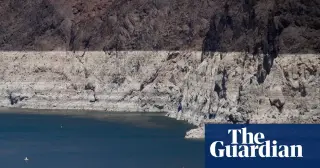
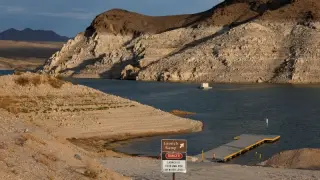
Lake Mead has reached its lowest water level in nearly 90 years, hitting 1,040.4 feet above sea level. This historic low, driven by severe drought and overuse, has prompted the US government to impose water cuts on lower-basin states and halt releases from Lake Powell to protect hydropower. The National Park Service is now marking emerging underwater hazards to protect boaters.
Lake Mead, the largest reservoir in the United States, has reached its lowest water level on record, dropping to 1,040.5 feet. This milestone, confirmed by the US Bureau of Reclamation, signals a deepening crisis in the Colorado River system. The reservoir, which supplies water to over 20 million people, is now lower than it has been since its creation in the 1930s. Experts attribute this decline to a 25-year drought, climate change, and overallocation of water. The record low follows a historic drop in combined levels for Lake Mead and Lake Powell in July 2026. While the Bureau of Reclamation and the Department of the Interior are committed to preventing critical infrastructure failures, the situation remains precarious. The Colorado River, a 1,400-mile artery, supports 40 million people, irrigates 5 million acres of farmland, and generates power for 700,000 homes. The crisis has intensified negotiations among seven basin states over water sharing, with no consensus reached yet.