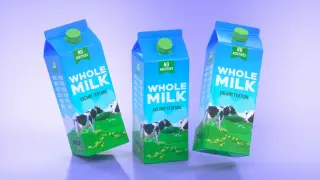
Health Secretary RFK Jr. promoted milk at a Wisconsin dairy farm with Rep. Derrick Van Orden as Republicans race to defend a crucial swing district, part of Kennedy’s Make America Healthy Again tour and a broader pattern of cabinet officials visiting Van Orden’s district to bolster rural outreach ahead of the 2026 elections.
Dietitians say cheese can fit into a healthy diet in moderation, with cottage cheese crowned as the healthiest due to its high protein and lower saturated fat. Other cheeses like ricotta, mozzarella, feta and even some hard cheeses can be part of a balanced plan, as long as you watch sodium and portion sizes (about 1 ounce per serving). New research also suggests full-fat dairy isn’t as harmful as once believed and cheese may support satiety, calcium intake, and certain health outcomes.
Large dairy studies have occasionally found that higher ice cream consumption correlates with a lower risk of type 2 diabetes, a surprising result that researchers cannot fully explain. Explanations include reverse causation (people at risk cutting out desserts), reporting bias in dietary surveys, or possible biological factors; yogurt shows a more consistent protective effect. The finding should be interpreted cautiously and ice cream should not be considered a health food, with more research needed to understand dairy’s impact on metabolism and diabetes risk.
A study analyzing wall-attached gut bacteria from colon biopsies finds dairy foods can have both positive and negative effects on the gut microbiome: higher total dairy and milk intake were associated with greater bacterial diversity and higher levels of beneficial microbes like Faecalibacterium and Akkermansia on the colon lining (with lactose likely driving part of this effect), while higher cheese intake correlated with lower levels of certain bacteria. Yogurt signals were inconclusive due to low consumption. Overall, dairy’s impact depends on the type of dairy, lactose content, fiber intake, and individual microbiome, and more diverse research is needed.
A 25-year Swedish study of 27,670 adults found that higher intake of full-fat cheese (>50 g/day) was associated with a 13%–17% lower risk of Alzheimer's in those without a genetic risk, while higher full-fat cream (>20 g/day) was linked to a 16%–24% lower risk of dementia overall; no stronger links were found for low-fat dairy. The findings likely reflect healthier overall diets and lifestyle, possible substitution effects, and population differences, not a causal protective effect of dairy. Researchers also accounted for early dementia by excluding cases at baseline and reanalyzing after removing early incident cases.
A 25-year Swedish study of 27,670 adults found that higher consumption of full-fat cheese (>50 g/day) and cream (>20 g/day) was linked to a modestly lower risk of dementia, especially Alzheimer’s, among those without genetic risk, with no similar benefit seen for other dairy. Authors caution the results likely reflect healthier overall dietary patterns and lifestyle, rather than a protective effect of dairy itself, and substitution effects (replacing red/processed meat with dairy) may influence findings. The study reinforces that dietary patterns—such as Mediterranean-style eating—are more important than any single food, and while dairy supplies brain-relevant nutrients, the evidence does not justify large increases in cheese or cream for dementia prevention.
Cream cheese provides vitamin A, zinc and vitamin K2 but is high in saturated fat (about 16 g per 100 g) and relatively low in calcium compared with other cheeses. Some experts classify it as ultra-processed due to stabilisers and emulsifiers in mass‑market brands, while others note its fermented status and potential gut benefits. The health impact depends on context: it’s better eaten with vegetables or wholegrain bread, and lower‑fat versions exist. Overall, a small daily portion can fit into a balanced diet, especially if paired with nutrient‑dense foods.
A 25-year Swedish study suggests that consuming higher amounts of high-fat cheese and cream may be linked to a lower risk of dementia, particularly vascular dementia, though the findings are observational and do not establish causation. The benefits were not seen with low-fat dairy or milk, and genetic factors like the APOE ε4 variant may influence individual responses. Experts advise moderation and caution against making major dietary changes based solely on this study.
A 25-year study suggests that full-fat milk may not be as harmful to heart health as traditionally thought, with findings indicating a potential link between whole dairy consumption and reduced artery calcification, challenging old dietary advice to always choose low-fat options. However, the study shows association, not causation, and emphasizes the importance of overall diet quality and moderation.
Researchers in Denmark discovered 130-year-old bacteria in bottles used for butter production, revealing insights into historical dairy practices, including the use of starter cultures like Lactococcus cremoris, and highlighting past hygiene challenges with contamination by bacteria such as Staphylococcus aureus and skin bacteria.
The article discusses the debate over whether whole milk or low-fat milk is better for health, highlighting that traditional guidelines recommend low-fat dairy due to concerns about saturated fat and heart disease, but recent science may offer a different perspective.
Greek yogurt, a popular dairy product in the Mediterranean diet, is made by straining out whey and is considered very healthy, with experts highlighting its nutritional benefits and versatility in recipes.
Recent research suggests that the long-held advice to favor low-fat dairy over full-fat options may be outdated, as evidence indicates that full-fat dairy like cheese and whole milk could have neutral or even beneficial effects on heart health, challenging traditional dietary guidelines.
Belly fat is influenced by factors beyond genetics, including high carbohydrate intake, stress and poor sleep, insufficient intense exercise, processed foods and dairy consumption, and lifestyle choices. Addressing these areas through diet, stress management, and targeted exercise can help reduce belly fat.
A study analyzing colon biopsies found that dairy consumption, especially milk, is associated with increased diversity and beneficial bacteria in the gut lining, such as Faecalibacterium and Akkermansia, though effects vary by dairy type and individual factors. Cheese may have different impacts, and lactose appears to play a prebiotic role, highlighting the complex relationship between dairy and gut health.