Trump nominated acting Navy secretary Hung Cao, a 25-year Navy veteran, for the permanent post as debates about naval leadership strain and the USS Lincoln’s nine-month Iran deployment surface alongside questions about readiness and Pentagon accountability.
Thailand’s Pattaya is preparing for about 5,000 U.S. sailors and Marines to disembark after a record deployment aboard the USS Lincoln; each service member is expected to spend roughly $100-$150 per day in Pattaya, a city known for its nightlife and sex-work industry.
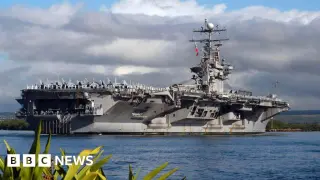
Across the United States, signs reading “bring our sailors home” and other messages appear on overpasses as supporters rally behind the 5,000 sailors and Marines aboard the USS Lincoln, which just completed a record 208 days at sea in the Middle East. Community efforts—from Atlanta-based Operation Uplift delivering morale-boosting care packages, to the Nevada Veterans Fund’s 75 morale boxes, and Blue Star Families’ outreach—are lifting morale and supporting deployed families, with the Visibility Brigade mounting messages along routes including the Lincoln National Memorial Highway. The deployment followed Iran-related tensions, with about 50,000 service members ordered to support operations Epic Fury, 18 Americans killed, and 1,300 dependents evacuated.
Luis Manuel Aviles, father of Joshua Aviles who serves aboard the USS Lincoln, was released from immigration detention after an immigration judge dismissed his case; his arrest drew backlash as his son was in the ninth month of a record deployment in the Middle East, and the USS Lincoln is being relieved by another ship to return to the US, highlighting ongoing tensions over immigration enforcement and military families.
A California father, Luis Aviles, was arrested by U.S. Border Patrol just as his son Joshua Aviles—who is serving aboard the USS Lincoln and was waiting to return from deployment—faced a tense reunion. Family members described heartbreak over the arrest amid discussions of citizenship and the ship’s upcoming withdrawal from service in the Middle East, highlighting the personal toll of immigration enforcement on military families.
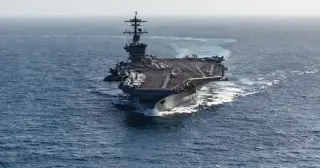
The aircraft carrier USS Abraham Lincoln is heading home to San Diego after a nine-month deployment in the Middle East supporting operations related to Iran, with about 5,000 sailors aboard and more than 250 days at sea. The mission was extended beyond its May endpoint, and families have described deteriorating conditions—food and mail shortages and concerns about mental health—though CENTCOM officials have downplayed a broader crisis and noted improvements. Lincoln has not visited a port since December, and a sister carrier, USS George Washington, has arrived in the region to begin its own deployment.
Democrats have urged probes into reports of extended deployments and crew strain aboard the USS Abraham Lincoln, citing a pattern of long at-sea missions during operations against Iran and Venezuela; they have written to CENTCOM and the Pentagon seeking accountability, while Republicans including Trump have dismissed the reports and defended the ship’s readiness as it heads home.
Sailors aboard the USS Lincoln are reportedly facing harsh living conditions—food shortages, broken plumbing, and intense mental-health strain—amid an ongoing Middle East deployment, prompting concern from families and calls for investigation. Officials contest widespread issues, noting normal wartime stress, while veterans’ accounts, including a former carrier photographer who described life at sea as a “floating prison,” contrast with CNN’s visit that did not find extensive problems. A replacement carrier is en route, and experts warn that isolation and prolonged alertness at sea can amplify stress, underscoring the need for attention to sailors’ mental health.
Democrats Jon Ossoff and Mark Kelly led calls for a Pentagon oversight and a bipartisan inquiry into the USS Lincoln’s near-nine-month deployment after reports of poor morale, mental-health crises, and subpar conditions aboard the ship; Republicans largely defended the administration, while some urged oversight and potential ship visits. The push includes 11 questions to the Pentagon and a request to allow lawmakers to inspect the Lincoln as part of accountability for the Iran-related deployment.
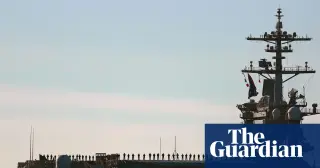
President Donald Trump dismissed CNN reporting on the USS Lincoln’s living conditions, claiming anonymous witnesses supported a veteran’s account and labeling the coverage as fake news. The Lincoln has been at sea for more than 250 days—the longest modern carrier deployment—while Navy Times and Stars and Stripes corroborate shortages and plumbing issues. Sailors’ families and Democratic lawmakers are pressing for Pentagon accountability amid prolonged deployment and mounting concerns, with The Guardian noting families’ distress over the situation.
Adm. Brad Cooper, the top U.S. commander in the Middle East, visited the long‑deployed USS Lincoln in the Arabian Sea during a 10‑day regional tour amid concerns about mental health and supply on the carrier. The Lincoln has been at sea for more than 240 days supporting operations against Iran and enforcing a blockade on Iranian ports. Cooper’s visit included stops in Bahrain, Iraq, Israel, Jordan, Saudi Arabia and the UAE, and underscores the strain of extended carrier deployments. The blockade aims to curb Iran’s control of the Strait of Hormuz, through which roughly one‑fifth of global oil passes; talks with Iran have stalled as it negotiates with Oman over strait management.