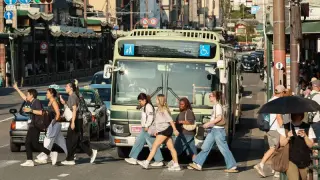
Japan is tightening visa and permanent-residency rules, hiking fees and imposing higher income and language requirements, fueling anxiety among long-term foreign residents and workers who fear reduced opportunities and possible departure as the economy faces a shrinking workforce.
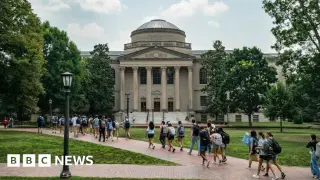
The Department of Homeland Security announced final rules that cap stays for foreign students on F-1/J-1 visas at four years unless the government approves extensions and restrict transfer between programs and institutions, effective September; the aim is to curb visa abuse and bolster security, though critics say the policy could disrupt many graduate students, particularly in science and tech fields.
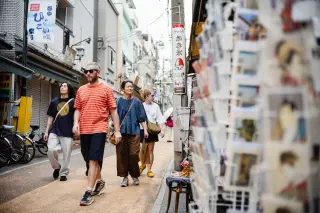
Japan raised its International Tourist Tax (departure tax) to 3,000 yen for all travelers departing the country, effective July 1, with the levy auto-included in airline/cruise bookings; revenue is earmarked for overtourism countermeasures and infrastructure, boosting annual revenue toward about 120 billion yen from 50 billion. To soften the impact on residents, passport fees were cut (10-year online: 15,900 → 8,900 yen; in-person down by 7,000), while short-term visa fees jumped fivefold (single-entry 3,000 → 15,000; multiple-entry 6,000 → 30,000); exemptions remain for many visa-free nationals. Japan saw a record inbound year in 2025 (roughly 42.4 million visitors) and aims for 60 million annually by 2030.
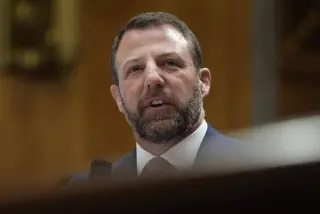
US Homeland Security Secretary Markwayne Mullin said he “danced a happy dance” after Iran was eliminated from the World Cup, praising the administration’s visa restrictions and security efforts that he says kept IRGC-linked individuals from entering the United States and involved arrangements like a Mexico-based base camp and biometrics processing in Tijuana to minimize risk.
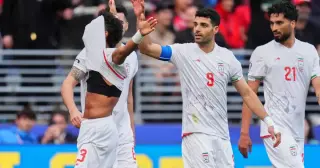
U.S. Homeland Security Secretary Markwayne Mullin said he “danced a happy dance” after Iran were eliminated from the World Cup, a moment set against Iran’s visa and travel restrictions during the tournament. Iran’s campaign ended with a group-stage exit after Algeria and Austria drew, and coach Ghalenoei and captain Mehdi Taremi criticized US treatment and the tense atmosphere surrounding Iran’s participation.
U.S. Homeland Security Secretary Markwayne Mullin celebrated Iran's elimination from the World Cup, saying he was glad they were leaving the U.S. and even danced, a claim tied to visa actions and security screening that drew sharp rebuttals from Iran's football federation amid ongoing U.S.-Iran tensions during the tournament.
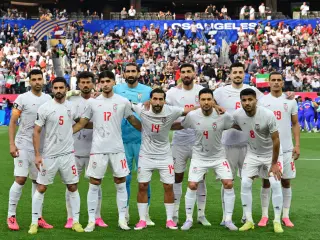
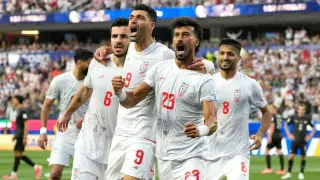
Iran’s national soccer team is eliminated from the 2026 World Cup after finishing third in Group G with three points, despite drawing all three group matches and staying undefeated in play. Captain Mehdi Taremi blamed FIFA for a string of logistical hurdles—staff visa issues and a base camp moved to Tijuana—that hindered preparation. The U.S.-hosted event had seen travel restrictions loosen briefly before Iran’s final match, but it wasn’t enough to keep them from an early exit under FIFA’s expanded 48-team format.
As a US-Iran peace deal emerges, experts say it could ease Iran’s visa and logistical hurdles for World Cup matches in the United States, potentially improving Team Melli’s tournament experience, but persistent political tensions mean reforms are not guaranteed and FIFA duties to ensure fair play remain a concern.
Iran’s World Cup opener with New Zealand finished 2-2, but hours after the match the team was ordered to leave the United States and return to its training base in Tijuana, cutting short recovery time. Visa issues and missing staff have complicated preparations, adding travel hurdles ahead of matches with Belgium and Egypt.
World Cup 2026 coverage depicts the tournament as a global diplomacy stage, with nations using the event to showcase soft power, promote tourism, and coordinate security. Highlights include New Zealand’s LA-based diplomatic push, Iran’s travel restrictions, Spain’s tensions with Trump over Iran and geopolitical issues, Japan’s embassy watch-party for cultural outreach, Croatia’s tourism and celebrity-backed branding, and Curaçao’s inclusion in the Kingdom of the Netherlands. The U.S. relies on a sprawling network of command centers from New York to Arlington to manage security, while visa decisions and local costs spur debates about the tournament’s broader impact.
Iran’s ambassador to Mexico frames Iran’s World Cup presence in the United States as a goodwill gesture amid talks to end the conflict, saying Iran and the U.S. could be very good friends if Israel’s interests aren’t prioritized; he notes visa-denied coaching staff could hurt performance but emphasizes football as a peace-building opportunity and that Iran hopes to advance from the group stage.
As the 2026 World Cup opens, FIFA president Gianni Infantino urged patience over visa delays and high ticket prices, defending pricing as market-driven while acknowledging FIFA cannot control all U.S. immigration decisions. The lead-up has included the denial of Somali referee Omar Abdulkadir Artan’s entry to the United States and multiple entry restrictions or revoked tickets affecting officials and fans from Iran and other nations, signaling security and access challenges as matches kick off in Mexico, the U.S., and Canada.
As the World Cup begins, U.S. visa policies and related bans are causing travel delays or denials for players, staff, journalists, and fans from multiple countries, forcing teams to adjust bases and schedules; the State Department says visas are issued case by case, while critics say the system undermines the tournament’s spirit of inclusion.
As the 2026 World Cup in the US looms, visa denials and entry hurdles tied to Trump-era immigration policies hit referees, players, photographers, and fans, illustrating how non-white migrants are affected and raising concerns about ICE actions around the tournament.
Iran says the U.S. denied visas to key staff for its national team ahead of the FIFA World Cup, fueling a diplomatic dispute just days before group play in North America; Washington counters that visas for athletes and essential staff have been issued, underscoring ongoing tensions between Tehran and Washington ahead of the tournament.