Israel and Morocco agreed to upgrade their diplomatic relationship by elevating their missions to embassies and appointing ambassadors after talks in New York with the U.S. ambassador to the UN, signaling closer cooperation between the two countries.
At a New York trilateral summit with the U.S., Israel and Morocco agreed to upgrade their relationship by elevating diplomatic missions to embassies, appointing ambassadors, and finalizing investment protection and double taxation agreements by the end of 2026, with reciprocal high-level visits planned as part of the Abraham Accords.
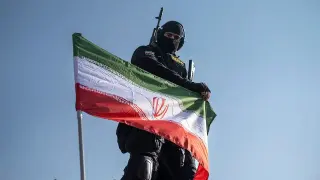
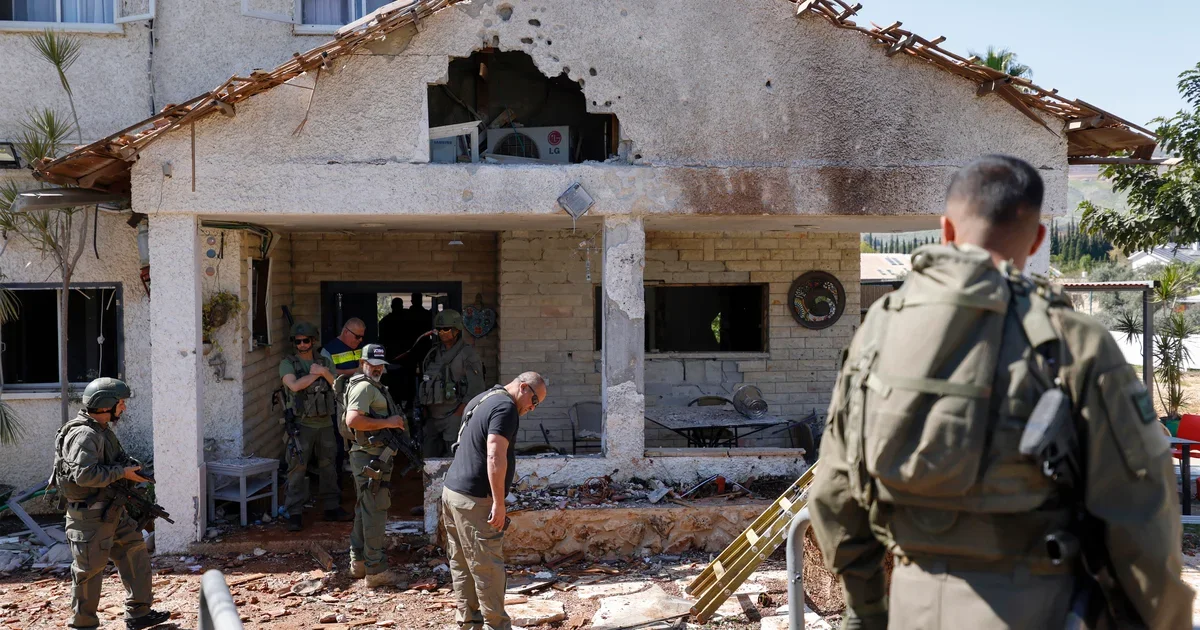
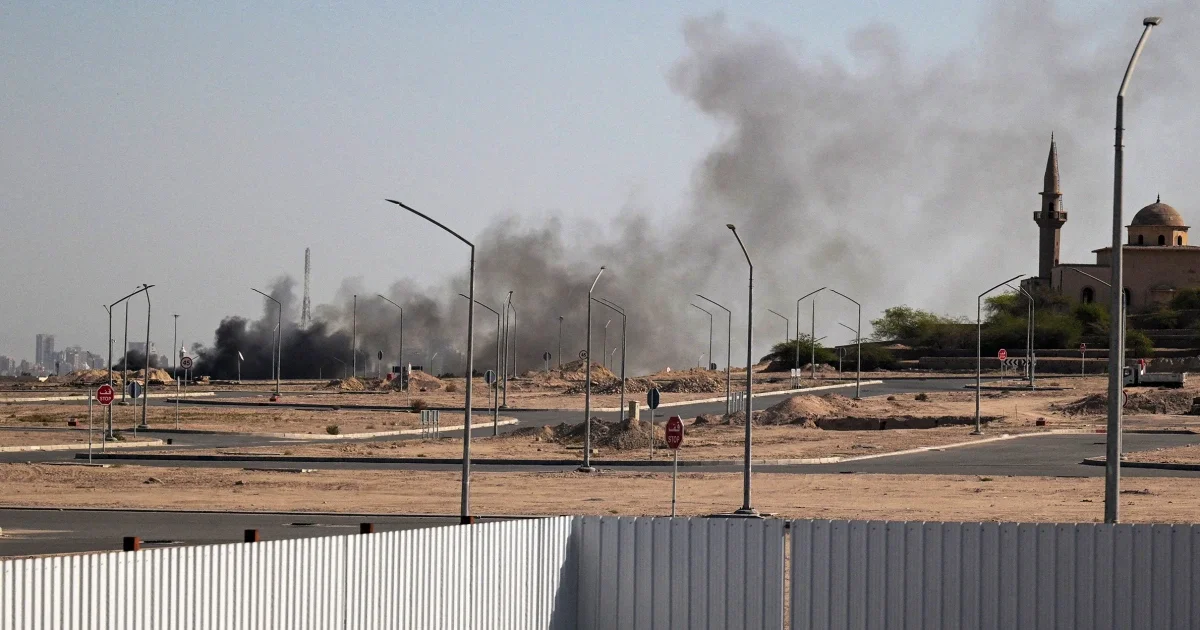
US embassies in Jerusalem, Jordan, and Qatar urged Americans to exercise heightened caution as CENTCOM struck IRGC targets in Iran and Iran fired eight missiles at bases in Jordan, with warnings of flight cancellations, airspace closures, and a potentially unpredictable security environment.
Tilman Fertitta, the billionaire serving as the U.S. ambassador to Rome, has been hosting events from his 383-foot mega-yacht, the Boardwalk, in Italy, a display that critics say blurs wealth with statecraft and has sparked protests and concern over diplomatic optics between the U.S. and Italy.
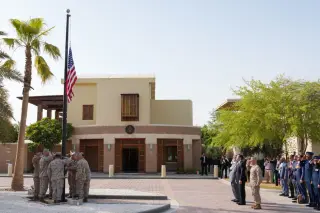
U.S. diplomats and their families are gradually returning to Middle East embassies after the State Department created a new 'restricted operations' status to resume normal functions; staffing and presence of families, pay, and benefits will be determined case-by-case as embassies reassess operations following earlier evacuations.
The United States will cut the number of African embassies and consulates processing visa applications from 50 to 20 in the coming weeks, according to the Associated Press, citing three U.S. officials and an internal memo; the move aligns with long-running immigration policy priorities associated with the Trump era.
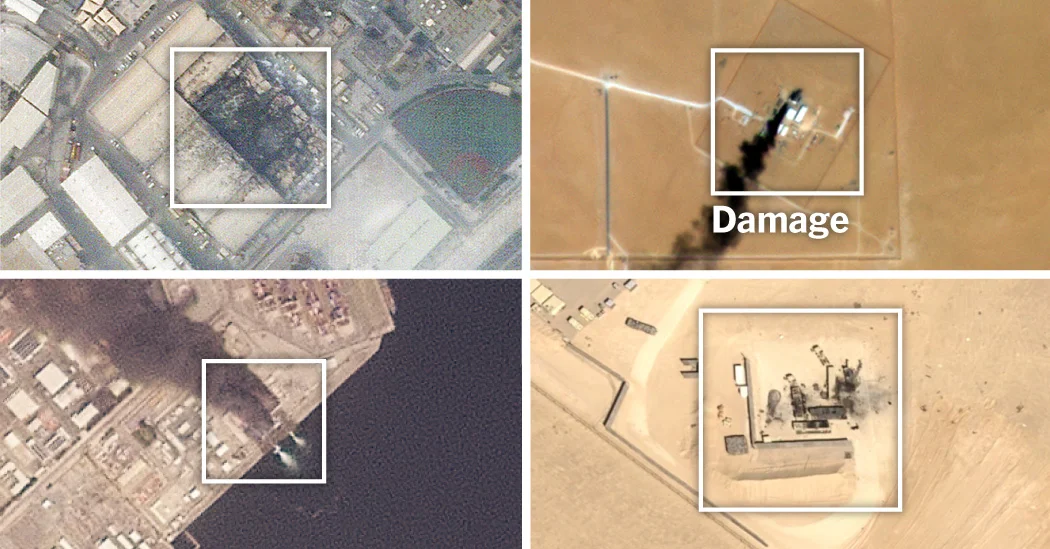
A New York Times analysis using satellite imagery and official data finds at least 17 U.S. sites damaged in Iran‑linked strikes across the Middle East, including 11 bases hosting U.S. forces, four air‑defense facilities (radars/THAAD components), and three U.S. diplomatic sites (Dubai, Kuwait City, Riyadh). The campaign began Feb. 28 with strikes on bases such as Prince Sultan, Ali Al Salem, Camp Buehring and Al Udeid; a March 1 drone attack at Shuaiba port Kuwait killed six service members, and another U.S. service member was killed at a base in Saudi Arabia, bringing total U.S. casualties to seven. NATO intercepted missiles toward Incirlik, and authorities say some sites were hit more than once. Experts note the damage to radar/air‑defense infrastructure is costly but may be mitigated by redundancy, while the full extent of damage remains unclear.
The U.S. State Department urged Americans to depart 14 Middle East countries amid the widening Iran war, offering charter flights to aid evacuations, ordering non-essential personnel to leave, and noting embassy closures as thousands seek to exit amid security disruptions.
The State Department ordered mandatory departures for non-emergency personnel and families in six Middle Eastern countries after drone strikes hit the region, with U.S. embassies operating on limited staff and major airports like Dubai, Doha, and Abu Dhabi disrupted or closed. Americans abroad face reduced consular services and few evacuation options, though the government is exploring charters and military flights. As tensions and retaliations rise, officials warn Americans to depart where possible or shelter in place if they cannot leave, with ongoing efforts to assist those affected.
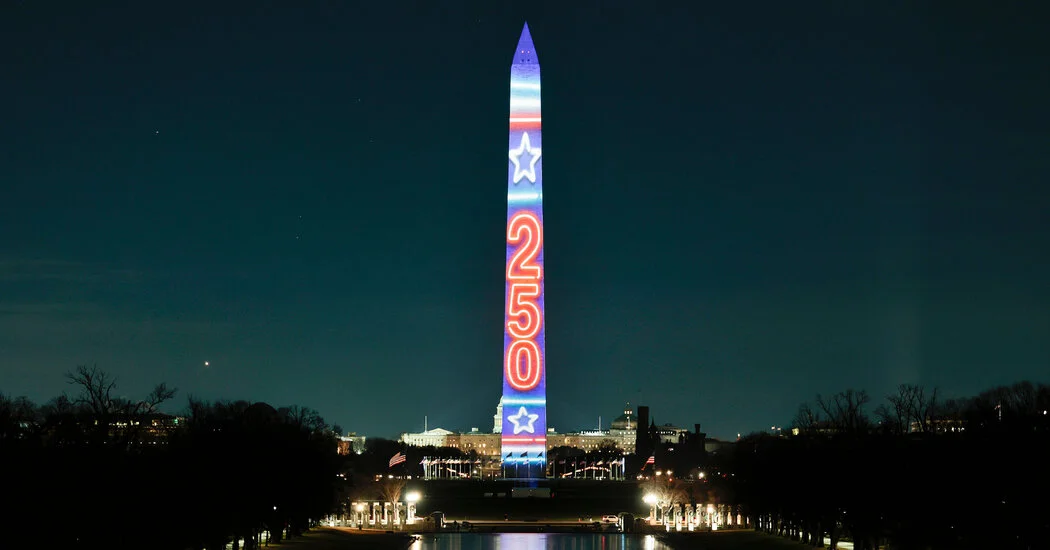
U.S. embassies and consulates abroad are soliciting corporate donations to fund lavish Fourth of July events marking America’s 250th birthday, following a White House push to stage grand national celebrations in Asia and beyond.
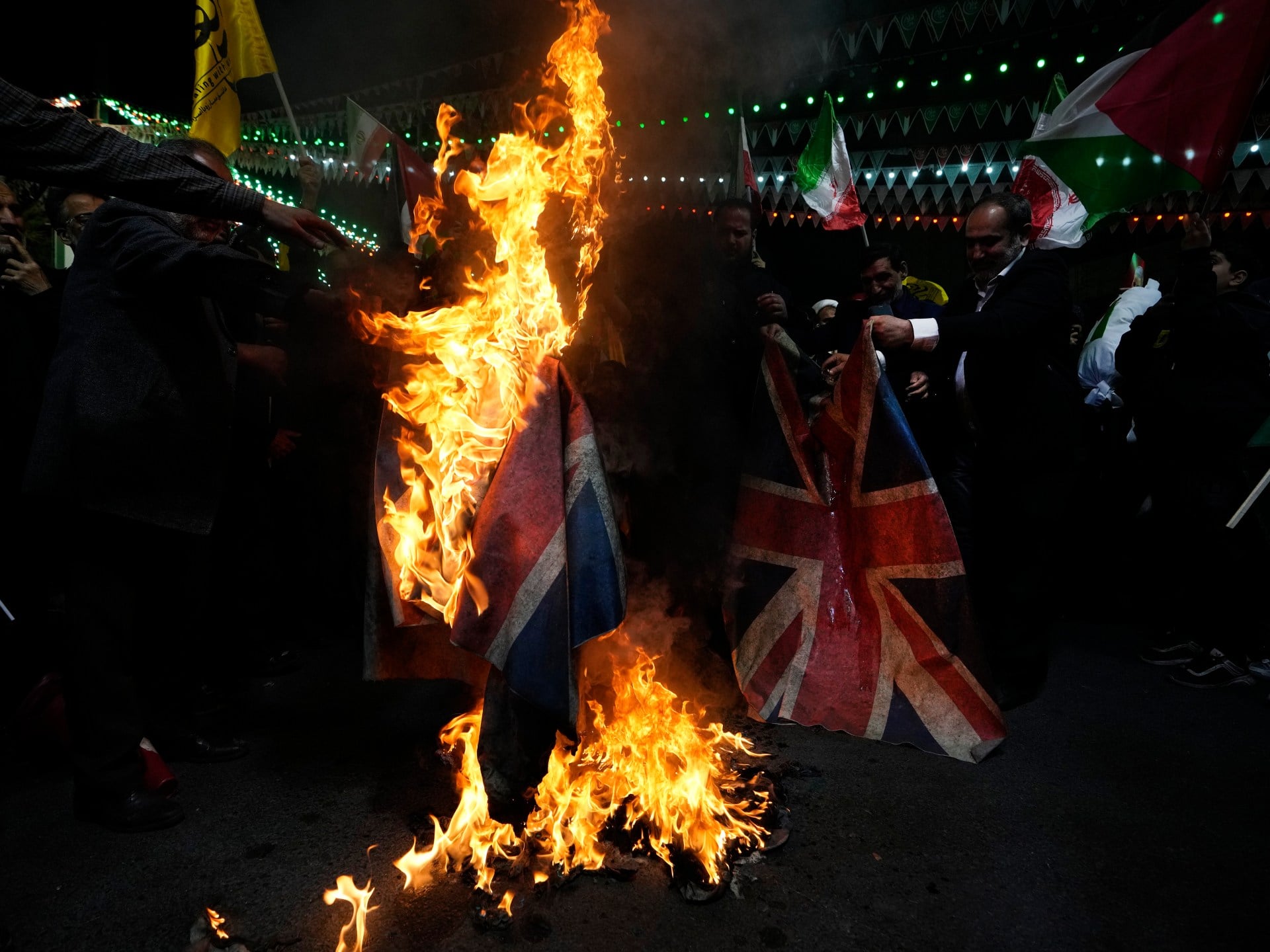
An opinion piece arguing Britain’s Labour government approved a massive Chinese Embassy at Royal Mint Court in London, a move the author says reveals Prime Minister Keir Starmer’s weakness, cedes a premier European diplomatic base to Beijing, and raises security concerns about the Communist regime gaining influence in central London.
Recent attacks on embassies in Ecuador and Syria have breached the inviolability of diplomatic missions, sparking condemnation and diplomatic tensions. Mexico plans to take the case to the International Court of Justice, while Iran has pledged a decisive response to the attack on its consulate in Damascus. The Vienna Convention on Consular Relations establishes the inviolability of embassies and the diplomatic immunity of personnel. The tradition of embassies sheltering dissidents has a long history, but attacks on diplomatic missions have also occurred in recent decades, despite international law protections.
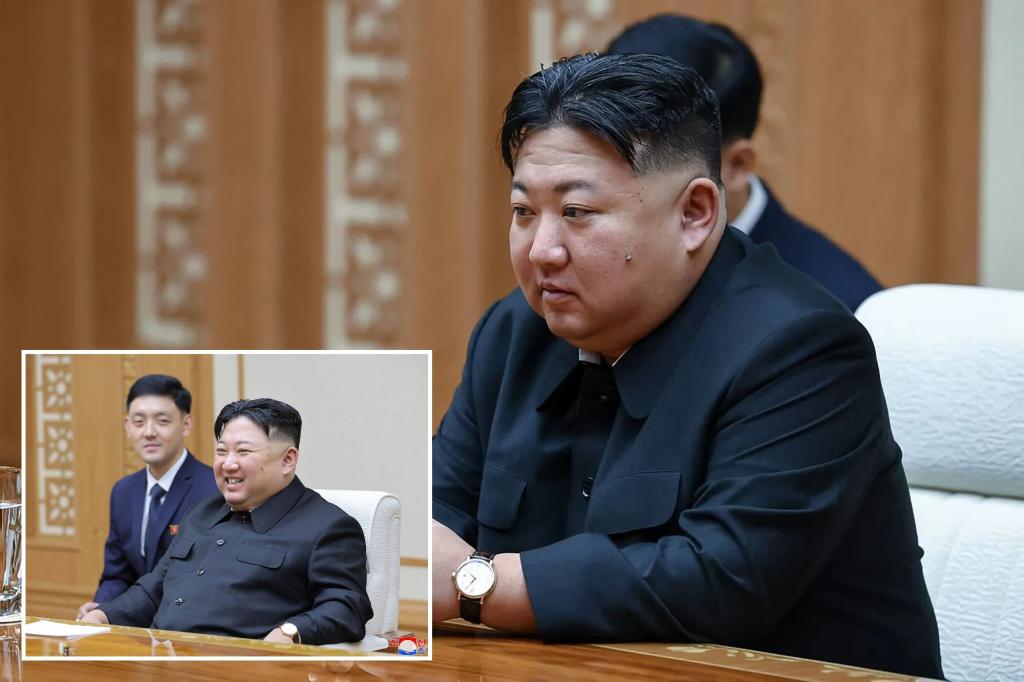
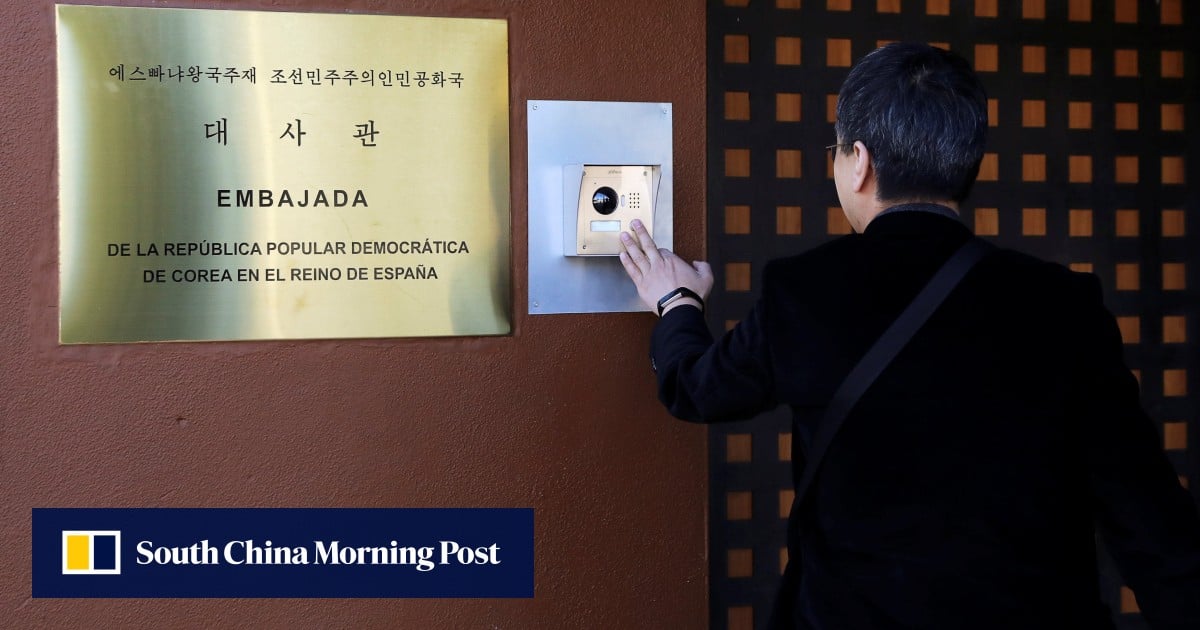
North Korea is closing down several of its embassies around the world, including in Nepal, Spain, Angola, Uganda, and Hong Kong, leading to suspicions of an ongoing financial crisis. South Korean experts believe that the closures indicate a deteriorating financial situation for North Korea, as their efforts to obtain foreign currency have been hindered by strengthened sanctions. Diplomats who have defected from the country claim that North Korean embassies are largely funded by illegal activities. Meanwhile, North Korea is focusing on building relations with Russia and China.
North Korea is closing down several of its embassies around the world, including in Nepal, Spain, Angola, Uganda, and Hong Kong, raising suspicions of a financial crisis. The closures are believed to be a result of strengthened sanctions and the country's inability to obtain foreign currency. North Korean embassies have been known to engage in illegal activities to fund their operations. Meanwhile, the regime is focusing on building relations with Russia and China.
North Korea is closing several embassies, including those in Hong Kong, Spain, and Africa, as its economy continues to struggle. The closures are seen as a result of tightening global sanctions and the country's inability to maintain diplomatic relations with traditional allies due to financial constraints. North Korea's diplomatic strategy is shifting towards closer ties with China and Russia, as it believes it can survive by strengthening military and economic cooperation with these countries. The closures highlight the dire economic situation in North Korea, exacerbated by the COVID-19 pandemic and the depletion of foreign currency reserves.