
Tag

Walking Pace

All articles tagged with #walking pace

Brisk walking beats the 10,000-step myth in lowering mortality risk
health27 days ago

Brisk walking beats the 10,000-step myth in lowering mortality risk

A large observational study of over 64,000 adults shows that walking pace during the day’s most active 30 minutes is linked to lower mortality, sometimes more strongly than reaching 10,000 steps. About 90–100 steps per minute (peak 30-minute cadence) was associated with lower death risk across step-count groups; even those with fewer than 5,000 steps benefited if walking faster. The findings challenge a universal 10,000-step goal and suggest tailoring activity to individual ability, while noting limitations like a short tracking period and potential wrist-count errors.

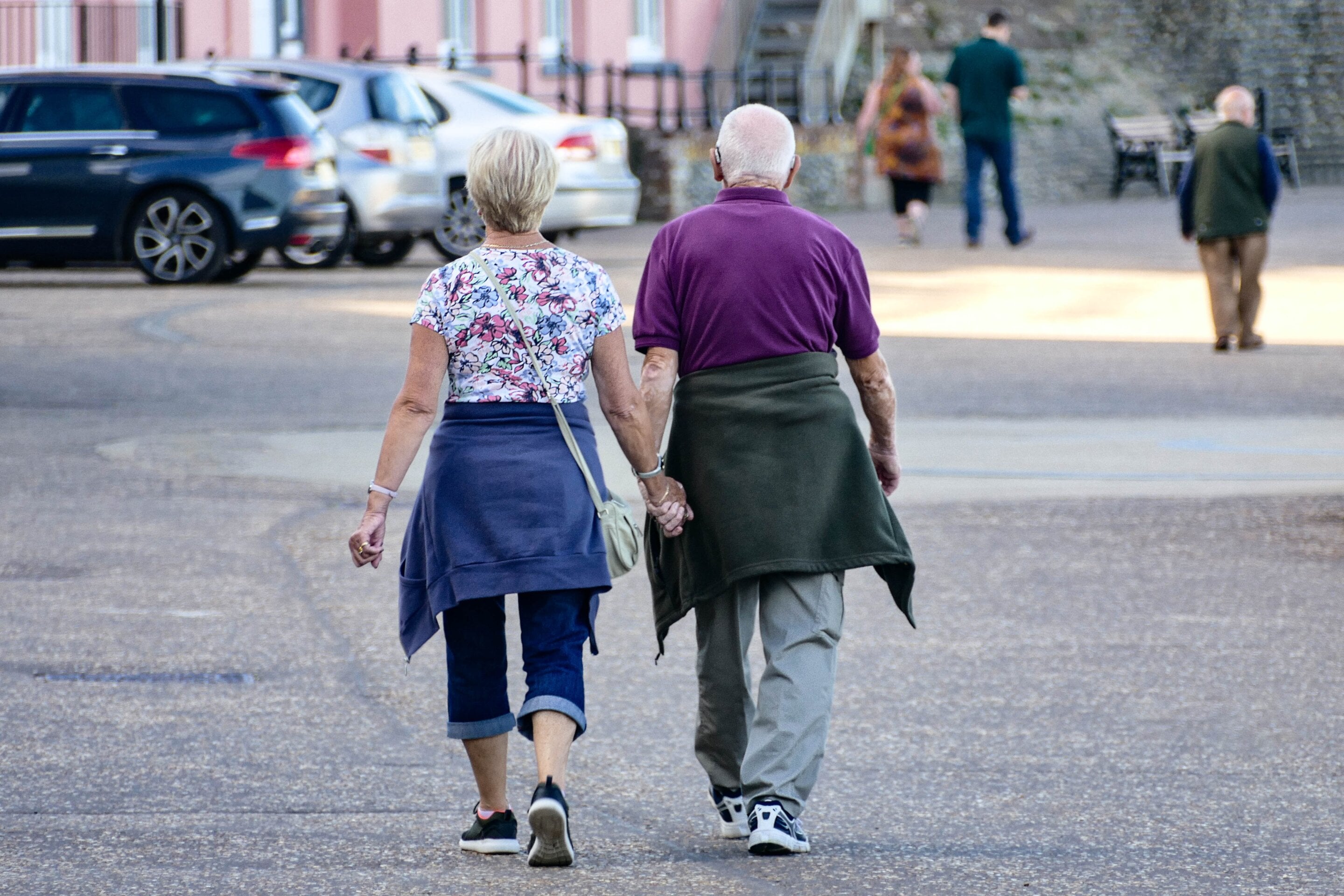
Stride Speed Linked to Halving Dementia Risk, New Study Finds
health2 months ago

Stride Speed Linked to Halving Dementia Risk, New Study Finds

A Neurology study analyzing data from seven studies found that adults aged 80 and older who walk as fast as younger adults—described as “super movers”—have about a 50% lower risk of cognitive impairment and a 60% lower risk of Alzheimer’s/dementia compared with slower peers, with similar brain pathology suggesting resilience rather than less disease. Faster gait appears to reflect better overall health and may indicate protective brain mechanisms, reinforcing the message that staying physically active and maintaining mobility is important for cognitive health in aging.

Walking Faster Boosts Fitness and Longevity in Older Adults
health1 year ago

Walking Faster Boosts Fitness and Longevity in Older Adults

A study suggests that walking slightly faster—about 14 steps per minute above usual—can significantly improve physical function in frail or at-risk older adults. Researchers developed a smartphone app called 'Walk Test' to accurately measure walking cadence, making it easier for seniors to incorporate this beneficial activity into daily life. Increasing walking speed judiciously can help older adults maintain independence and overall health.