Tag

Frailty

All articles tagged with #frailty

Walking Speed and Intensity Linked to Longevity and Frailty Reversal in New Studies
health22 days ago

Walking Speed and Intensity Linked to Longevity and Frailty Reversal in New Studies

New research indicates that walking speed serves as a reliable predictor of mortality risk in older adults, while high-intensity walking may effectively reverse frailty. A study in JAMA Network Open found that faster clinical and daily walking speeds were associated with a 23% lower risk of death over 12 years. Conversely, a trial in PLOS One showed that walking at 70% of maximum heart rate improved frailty markers more significantly than casual walking. Experts emphasize that walking speed reflects overall physiological function, though it does not guarantee that increasing speed alone extends life.
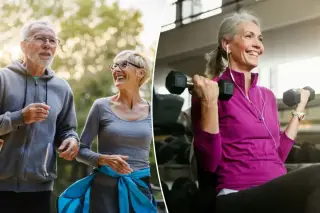
High-Intensity Walking Reverses Frailty, While Speed Predicts Longevity
health22 days ago

High-Intensity Walking Reverses Frailty, While Speed Predicts Longevity

Two recent studies highlight the benefits of walking for older adults. A trial in PLOS One found that high-intensity walking, defined as 70% of maximum heart rate, reversed frailty more effectively than casual walking. A separate study in JAMA Network Open linked faster walking speeds to a 23% lower risk of death, suggesting that walking pace serves as a vital indicator of overall physiological health.

Aging Isn’t Inevitable: Fight the ‘Narrowing’ with Movement and Mindset
health5 months ago

Aging Isn’t Inevitable: Fight the ‘Narrowing’ with Movement and Mindset

A doctor warns that the so‑called 'narrowing'—the gradual loss of strength and function with age—is not an unchangeable fate. It’s largely driven by disuse and adjusted daily habits; with the right attitude, older adults can resist decline. Studies show that as little as four minutes of strength-training can quadruple fitness in seniors, and a positive view of aging can improve physical and cognitive health after 65. Practical steps include staying active, eating well, reviewing medications, getting enough sleep, and nurturing social connections as the population ages.

Stabilizing an anti-inflammatory protein boosts strength in aging mice
science5 months ago

Stabilizing an anti-inflammatory protein boosts strength in aging mice

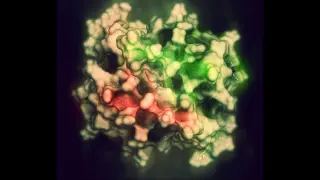
In aging mice, boosting the expression of the protein tristetraprolin (TTP) reduced frailty and improved physical performance—grip strength, walking speed, endurance—and bone density, with stronger effects in males. While not a human therapy and no trials are underway, the work reinforces the role of chronic inflammation in aging and suggests TTP as a promising target for interventions to preserve mobility and independence, potentially via pharmacological methods to stabilize TTP or modulate its signaling.

Structured, Coached Lifestyle Slows Aging and Protects Cognition
science6 months ago

Structured, Coached Lifestyle Slows Aging and Protects Cognition

A two-year randomized trial (U.S. POINTER) found that adults aged 60–79 at risk for cognitive decline who followed a structured, coached, multi-domain lifestyle program (healthy eating, exercise, social and cognitive activities) experienced greater reductions in frailty and stronger cognitive improvements than those using a self-guided approach. While frailty reductions contributed to brain benefits, the cognitive gains arose via multiple, parallel pathways, underscoring the value of structure and accountability in aging health.

Boosting a protective protein slows aging frailty and strengthens bones in mice
health-and-medicine6 months ago

Boosting a protective protein slows aging frailty and strengthens bones in mice

Scientists increased levels of the anti-inflammatory protein tristetraprolin (TTP) in 22‑month‑old mice, improving grip strength, mobility, endurance, energy, and bone health while reducing frailty; results suggest potential future therapies for aging but human applications are not imminent, with further work planned on neuroinflammation and dementia.

GLP-1 Weight-Loss Drugs: Is Muscle Loss Inevitable?
health7 months ago

GLP-1 Weight-Loss Drugs: Is Muscle Loss Inevitable?

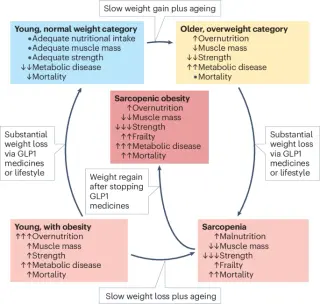
A Nature Reviews Endocrinology commentary reviews potential risks of GLP-1 receptor agonists used for obesity, noting concerns about accelerated muscle wasting and frailty in some patients; it explores mechanisms, aging-related vulnerability, and the need for biomarkers and careful monitoring, while acknowledging mixed evidence and the ongoing need for research to balance fat loss with muscle preservation.

Move more, load muscles, and fear less: a geriatric PT’s guide to aging actively
wellness9 months ago

Move more, load muscles, and fear less: a geriatric PT’s guide to aging actively

A board-certified geriatric physical therapist explains that aging-related weakness and frailty can be slowed by staying active, regularly loading muscles, and breaking activity into short, practical bursts; she emphasizes moving throughout the day, overcoming fear of activity, and working with a licensed PT to safely build strength, balance, and independence.

Genes Influencing Aging Speed and Resilience Uncovered
health1 year ago

Genes Influencing Aging Speed and Resilience Uncovered

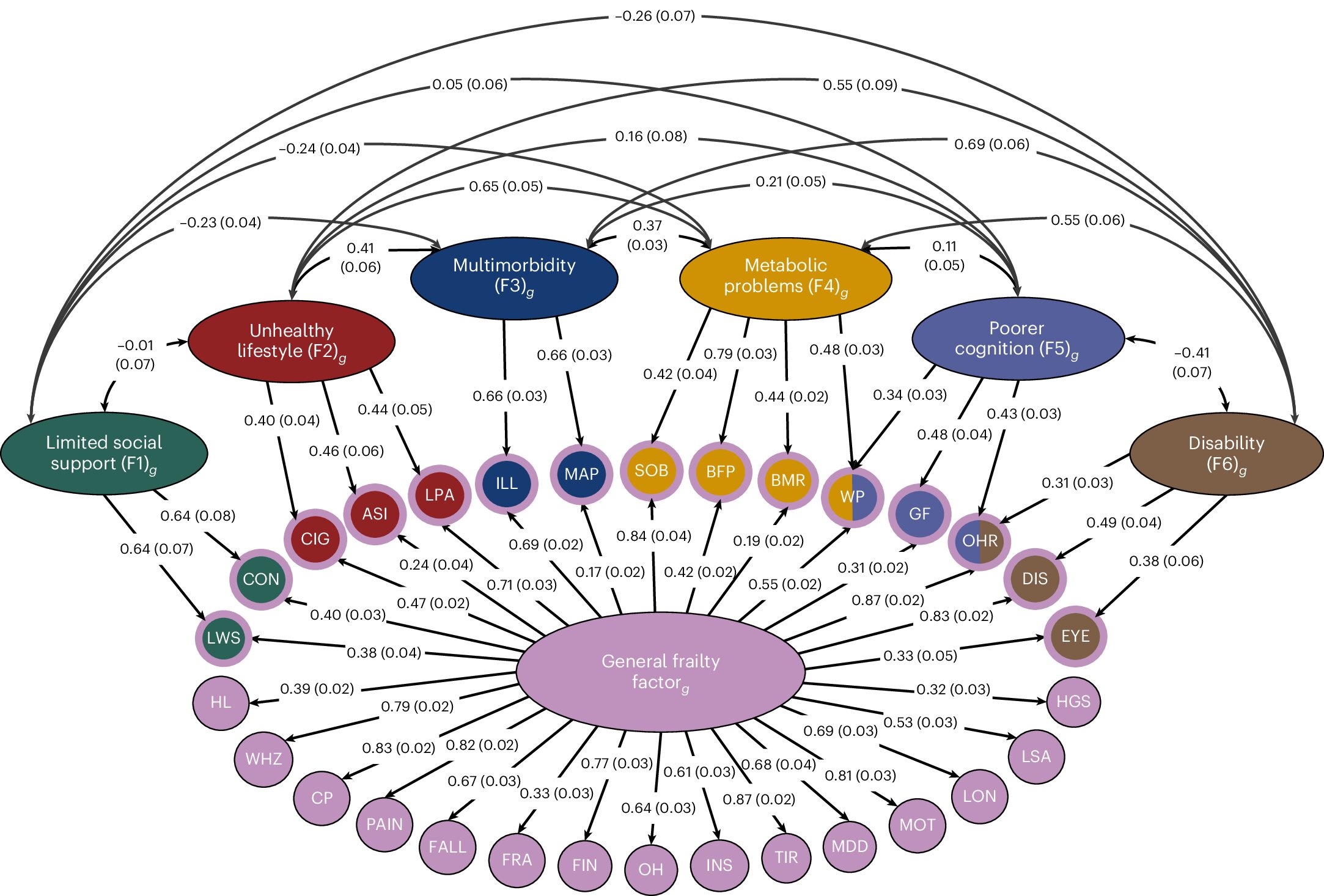
A study published in Nature Genetics identifies over 400 genes linked to different types of accelerated aging and frailty, supporting the idea that treating aging itself could help prevent age-related diseases. The research highlights the complexity of aging, with different genetic factors underlying cognitive decline, mobility issues, and social isolation, paving the way for more targeted therapies and personalized approaches to healthy aging.

Walking Faster Boosts Fitness and Longevity in Older Adults
health1 year ago

Walking Faster Boosts Fitness and Longevity in Older Adults

A study suggests that walking slightly faster—about 14 steps per minute above usual—can significantly improve physical function in frail or at-risk older adults. Researchers developed a smartphone app called 'Walk Test' to accurately measure walking cadence, making it easier for seniors to incorporate this beneficial activity into daily life. Increasing walking speed judiciously can help older adults maintain independence and overall health.