About 71.3% of England is in drought after the driest July on record and a fifth heatwave, stressing water resources; DEFRA has imposed irrigation limits and hosepipe bans, with around 45 million people living in drought-affected areas and farmers facing crop losses.
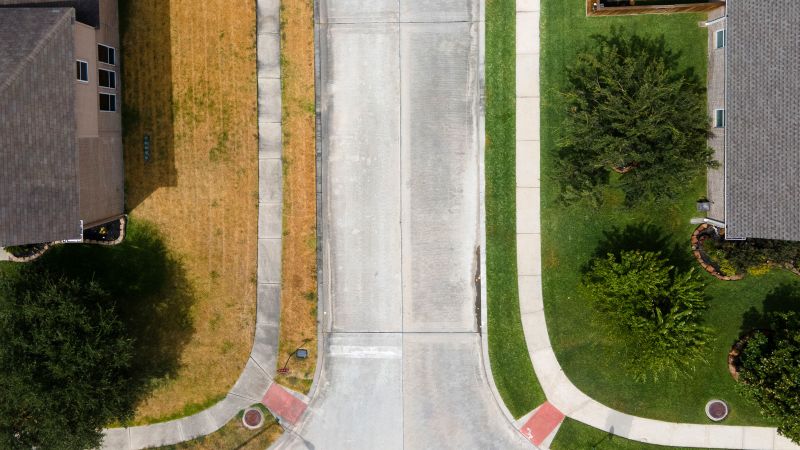
Charlotte Water has issued mandatory water restrictions beginning May 15 due to severe drought, limiting lawn irrigation to twice a week during overnight hours by address, prohibiting home car washes and most water features, and capping pool topping; residents should reduce indoor/outdoor use to about 1 inch of lawn water per week and fix leaks, with exemptions for drip irrigation, hand-watering, and recycled-water car washes.
Corpus Christi faces the prospect of a water emergency as reservoirs near depletion, with a planned 25% citywide cut in water use starting in September. Most savings are expected from large industrial users (ExxonMobil, Valero, Occidental) rather than households, though 70% of homes already use less than the proposed limits and about 27,000 could face fees or shutoffs. Details on enforcement, hospital exemptions, school impacts, and how businesses will cut back remain unsettled. The plan’s duration depends on rainfall, with potential rolling restrictions or bottled-water shipments if drought persists, and potential legal wrangles with industry over imposed cuts.
Raleigh Water is activating Stage 1 water-use restrictions effective April 20 due to a severe drought impacting Falls Lake and Swift Creek. The city notes Falls Lake is about 84% full and two secondary supplies (Lake Benson and Lake Wheeler) are near capacity. Restrictions include: outdoor watering only midnight–10 a.m. with odd/even-day rules, hose-end sprinklers limited to 6–10 a.m. or 6–10 p.m. on Tue/Wed, other outdoor uses allowed with restrictions, leaks must be fixed within 48 hours, and tap water can be served by restaurants on request. Indoor use is allowed, with broader efforts to conserve. Raleigh will post weekly drought-and-supply updates as conditions evolve.
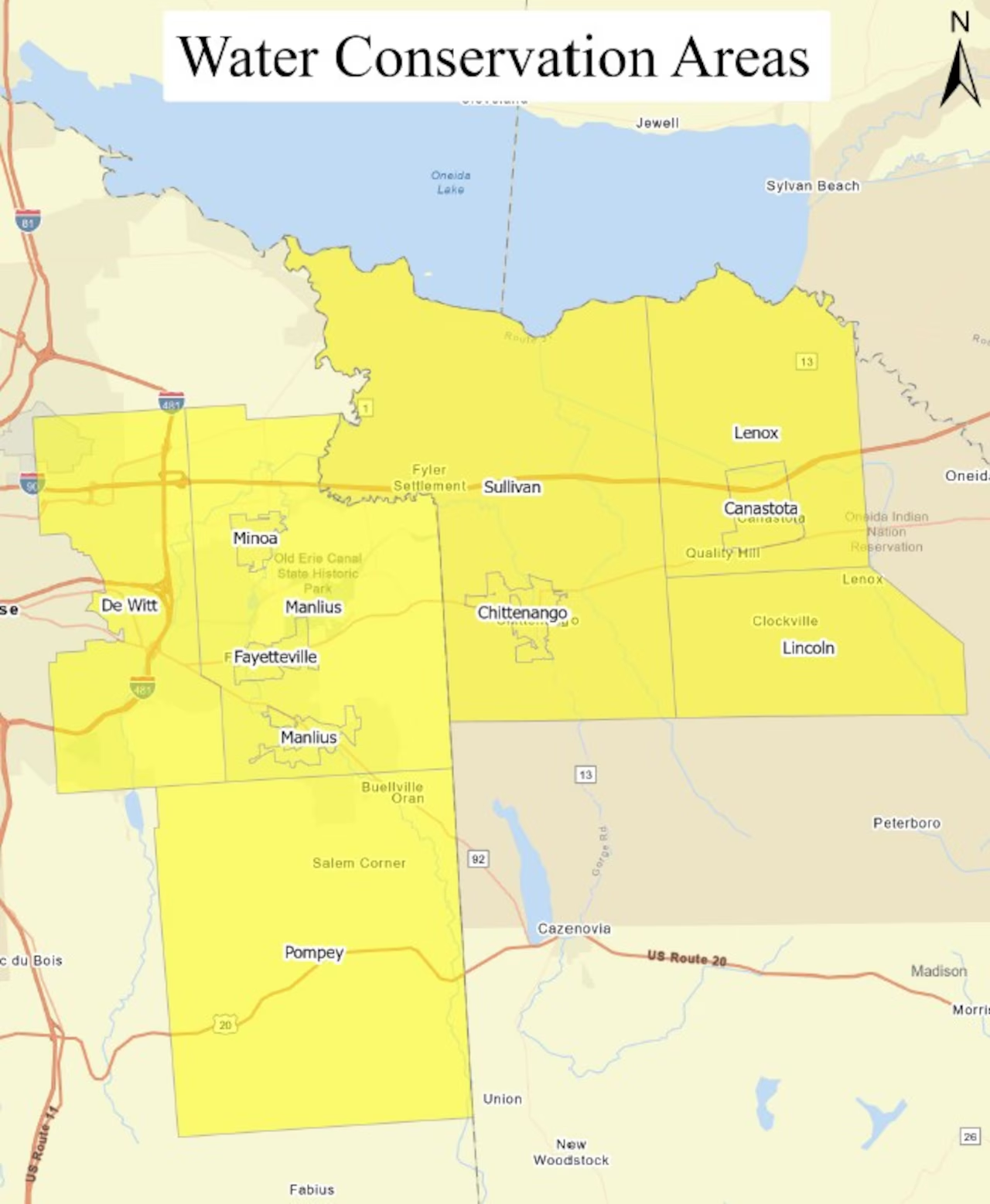
The Onondaga County Water Authority has issued mandatory water restrictions across six towns in Central New York due to a major water main break, leading to reduced water pressure and potential shortages, with repair efforts expected to take up to two weeks.
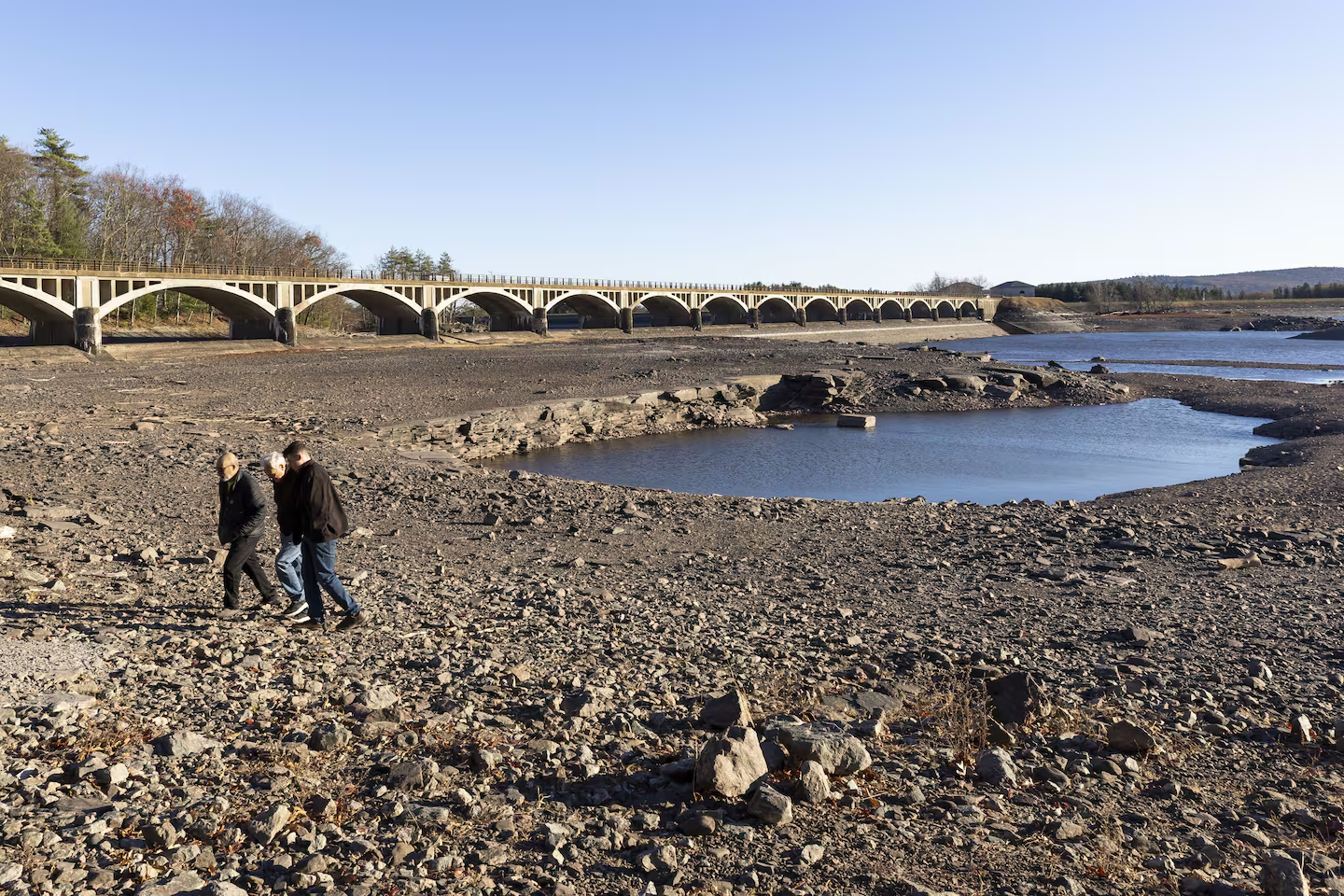
New York City has declared a drought warning for the first time in 22 years, as unusually dry weather and high temperatures have led to lowered reservoirs and increased wildfires in the Northeast. This warning is the final step before potential mandatory water restrictions.
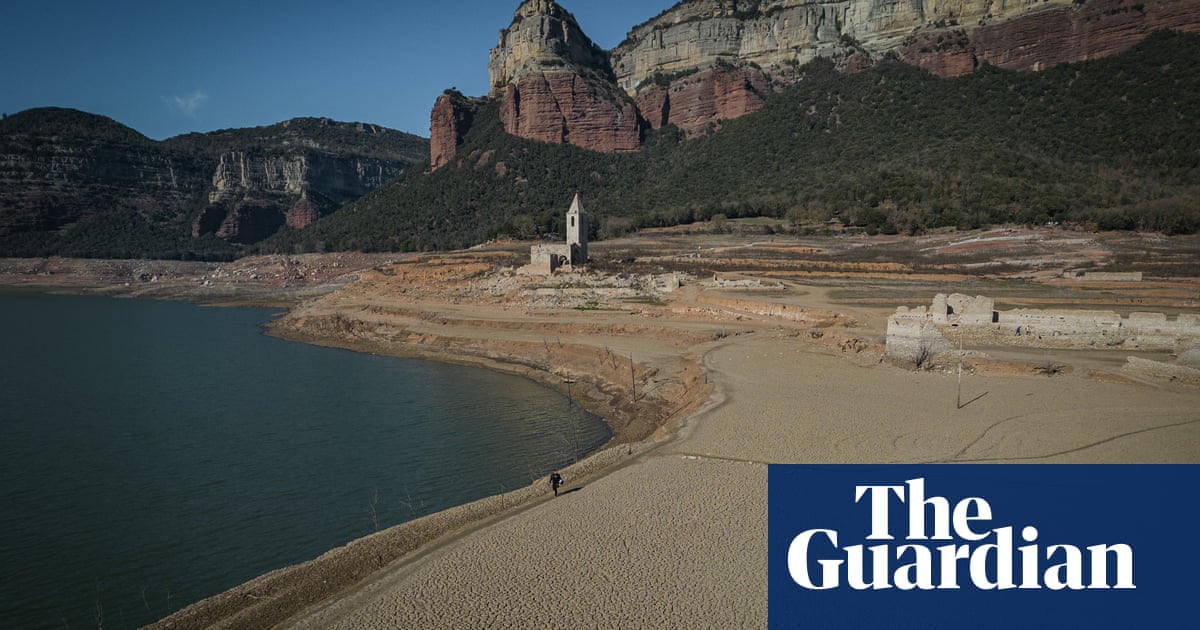
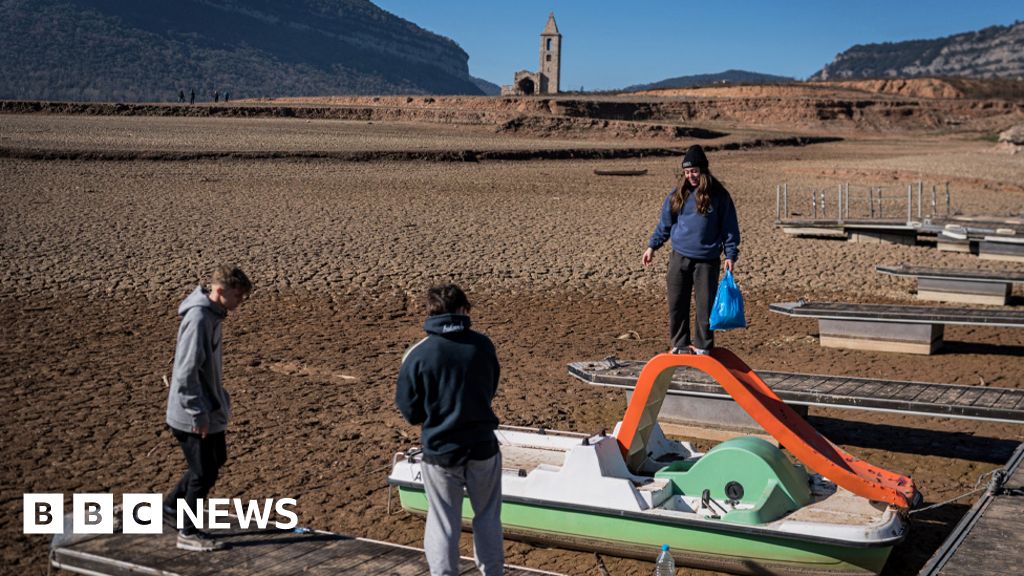
Catalonia has declared a state of emergency due to a severe drought, extending water restrictions to Barcelona and the surrounding region. With water reserves falling below 16%, measures including a 20% reduction in agricultural irrigation and closures of public and private swimming pools have been implemented. The situation is exacerbated by the high water consumption of tourists, and the country's agricultural water usage. The drought is not confined to Catalonia, as other regions in Spain are also experiencing devastating effects on agriculture due to the lack of rainfall and rising temperatures.
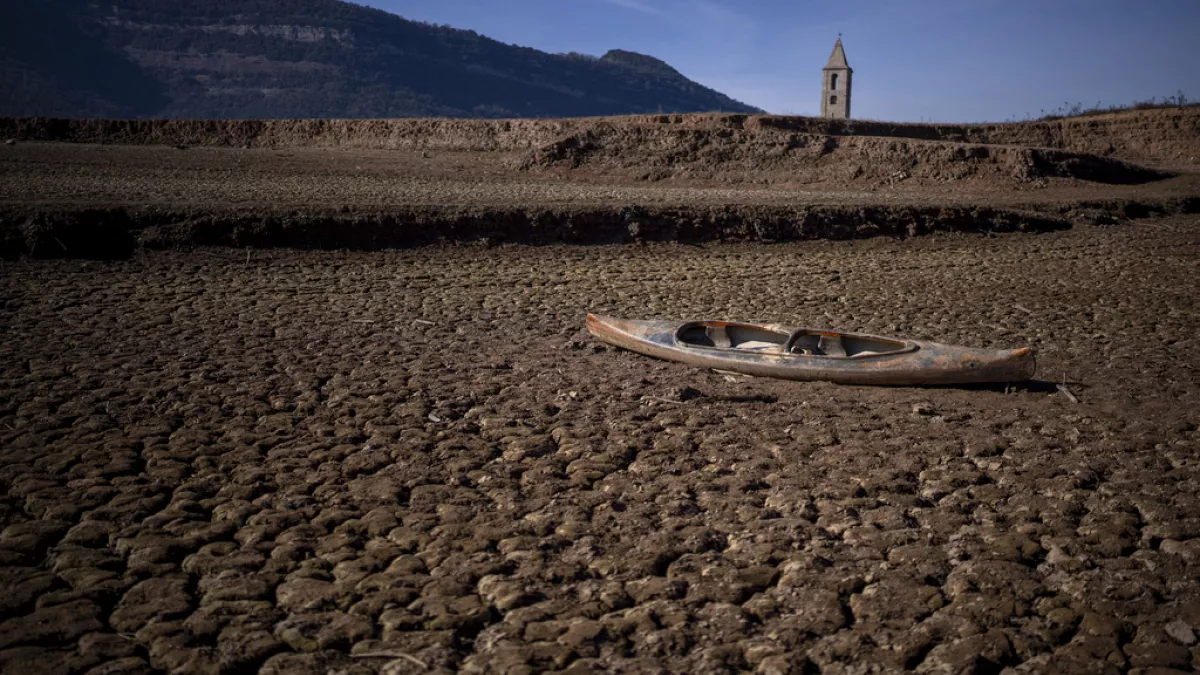
Catalonia has declared a state of emergency due to its worst drought on record, with reservoirs at only 16% capacity. The measures include banning car washing and filling swimming pools, reducing water use for farming and industry, and capping water supplies per person. The region is considering bringing in water by ship and has diversified its water supply to mitigate the impact. The drought's potential link to climate change is being considered, and Barcelona's tourism industry is adapting to the water shortage.
Catalonia, including Barcelona, is facing the worst drought in its history, prompting severe water restrictions such as fines for activities like car washing and garden watering. With reservoirs at critically low levels, the region's 6 million residents are limited to 200 liters of water per person per day, and potential measures include reducing water pressure and importing water from other territories. Climate change is exacerbating the situation, with experts warning of more intense and frequent droughts in the future.
Barcelona and its surrounding areas in Catalonia, Spain are bracing for tighter water restrictions as the region faces a historic drought, with reservoirs at record lows. An emergency declaration is expected to reduce daily water allowances for residential, municipal, agricultural, and industrial use. The drought, attributed to climate change, has led to below-average rainfall for 40 consecutive months. Measures include prohibitions on watering lawns, filling private pools, and washing cars, with plans to import water by boat if necessary.
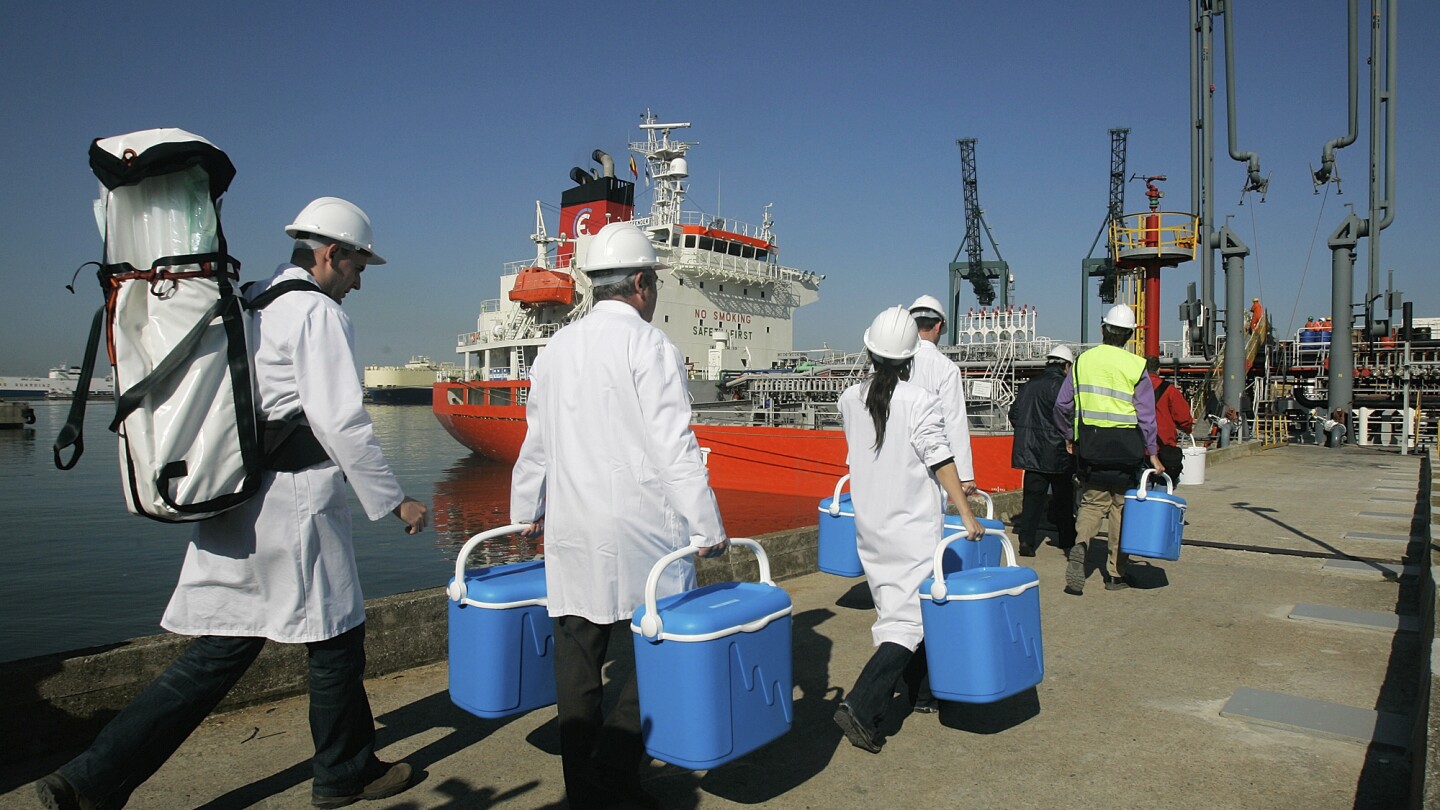
Barcelona may need to have fresh water shipped in by boat in the coming months as Catalonia suffers its worst drought on record, with reservoirs providing water for about 6 million people, including Barcelona, filled to just 18% of their capacity. The region has entered the "pre-emergency" phase for drought, implementing tighter water restrictions, and if reserves fall below 16% capacity, a full-blown drought "emergency" will be declared. Authorities attribute the extended drought to climate change and warn that Barcelona could require tankers to bring in drinking water if the situation does not improve.
Houston has implemented mandatory water restrictions due to an intense heatwave and worsening drought. Outdoor water use is now limited to two days per week between 7 p.m. and 5 a.m. Violators may face fines of up to $2,000. The city is experiencing its hottest summer on record and has a rainfall deficit of nearly 7 inches since June 1. The drought has rapidly spread across Texas, with a third of the state now in extreme drought. Climate scientists emphasize the link between heat and drought, both of which are exacerbated by the climate crisis.
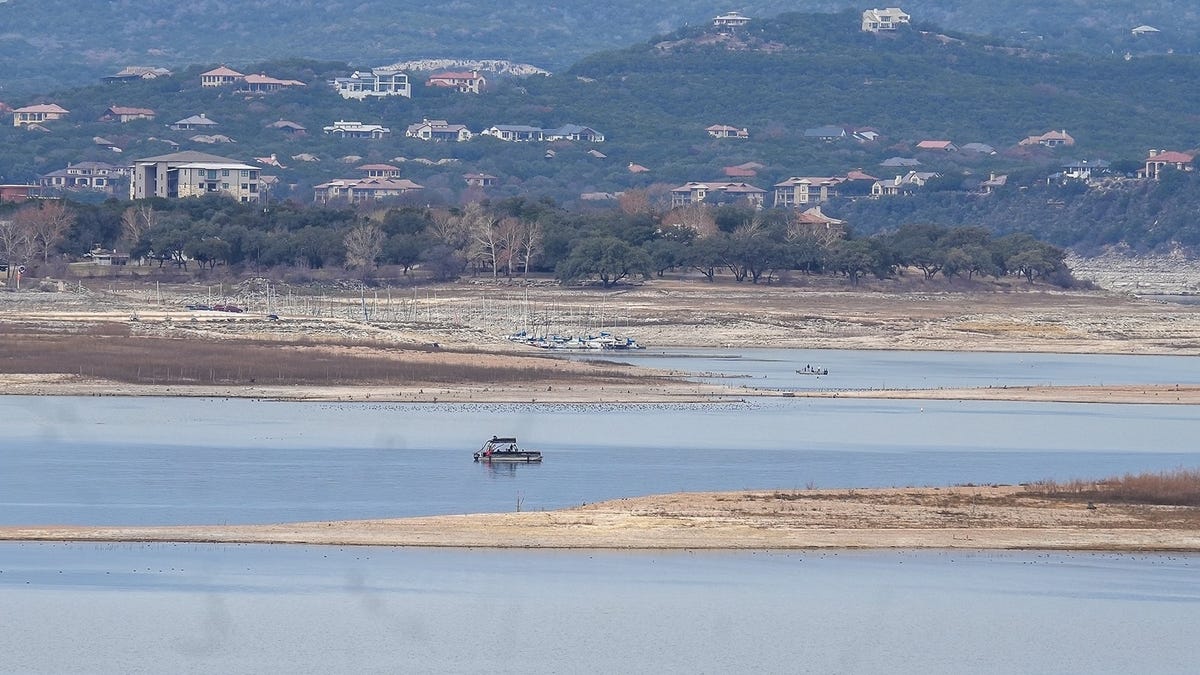
The City of Austin is implementing Stage 2 water restrictions due to concerns about drought. The new restrictions include limiting automatic irrigation and hose-end watering to one day per week, reducing irrigation runtime, prohibiting water waste, and restricting the operation of patio misters and large ornamental fountains. Failure to follow the restrictions could result in fines of up to $1,000 per violation. Austin has a history of prioritizing water conservation, and the community is expected to respond to the need to conserve water during the ongoing drought.
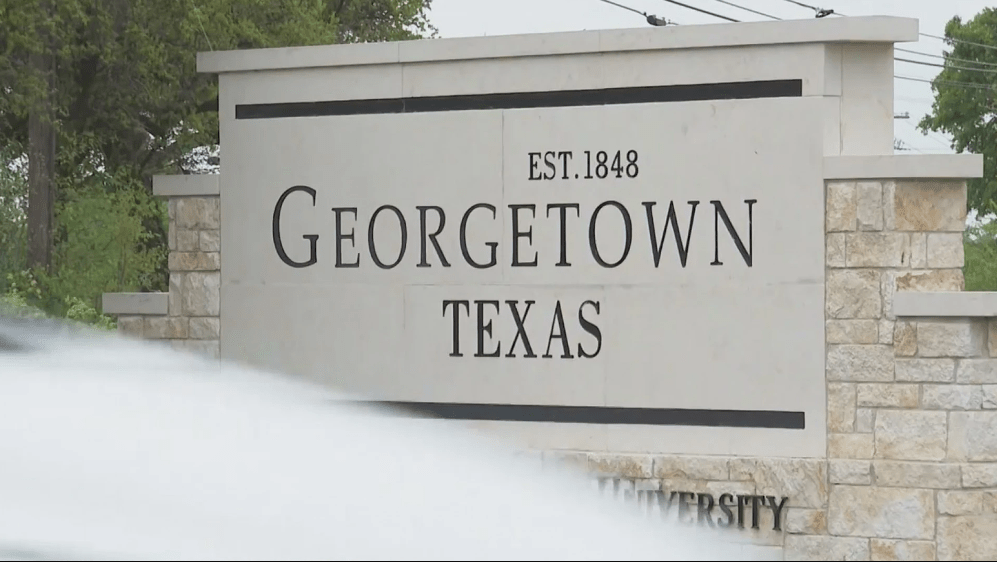
Georgetown, the fastest-growing city in the U.S., is struggling to meet its water demands due to excessive irrigation, water supply challenges, and severe drought conditions. The city's water treatment plant is currently offline for rehabilitation, and it is not receiving its full contracted amount of water from a neighboring city. As a result, around 35% of the city's water customers remain under Stage 3 water restrictions, prohibiting outdoor watering. The city officials urge residents to follow the rules to ensure safe drinking water and maintain adequate pressure for emergencies.
The City of Georgetown in Texas has implemented Stage 3 of its Drought Contingency Plan, prohibiting outdoor watering until July 17 due to high water use nearing system treatment capacity. Water customers must turn off irrigation systems, and the city will decide next week whether to extend or increase the restrictions. Water production from treatment plants has exceeded capacity, and conservation is necessary to avoid boil water notices. The restrictions also apply to Round Rock and City of Leander water customers.