Albert Westpfal, 24, survived a close encounter with a 12-foot tiger shark at China Walls on Oahu's South Shore. The shark bit through his surfboard, knocking him into the water, but he fought it off and escaped with only minor injuries.
A glacial collapse on the Nepal-China border triggered catastrophic flooding, killing at least 797 people and leaving over 3,000 missing. The disaster devastated the Trishuli and Bhotekoshi river systems, destroying villages, infrastructure, and hydropower projects. Rescue efforts are hampered by collapsed bridges, blocked tunnels, and landslides, with hundreds of workers still unaccounted for in Nepal.
The body of an 18-year-old missing after entering the flooded Mississinewa River near Albany, Indiana, has been recovered, marking the fourth death linked to a week of severe weather in the state. Earlier fatalities include a 58-year-old woman whose vehicle was swept off a road into floodwaters, a 4-year-old boy who died when a storm toppled a tree onto a home in Jennings County, and investigators are examining whether a Portage house explosion was weather-related.
Two days of heavy rainfall pushed central Indiana’s White River to record levels, prompting mass evacuations and dozens of rescues in Indianapolis and surrounding counties, with at least five deaths reported. Gov. Braun outlined the danger as floodwaters rose and officials urged residents to stay away from waters; federal aid was requested and a presidential emergency declaration approved to mobilize up to $5 million for response and recovery.
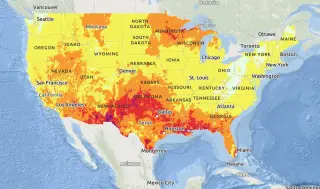
More than 42 million people are under heat alerts across the U.S. as a westward-shifting heat dome drives temperatures to as high as 119°F near Tecopa, California. The National Weather Service warns of dangerous heat across the Southwest through the weekend, with heat indices around 120°F in parts of the desert Southwest and Gulf Coast. About 2 million people are at the highest risk and 24 million at major risk, with health guidance urging hydration, cooling, and limited outdoor activity. Relief is expected by week’s end as a cold front lowers highs by 10–20 degrees.
Japan faced its first ‘brutally hot’ day of the year, with temperatures forecast to reach about 40C in Kumagaya and Nagoya, prompting nationwide heatstroke alerts as the weather agency added a new kokushobi category for extreme heat and urged people to stay hydrated, seek shade, and limit outdoor activity.
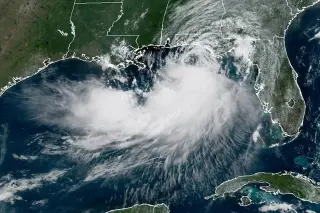
Bertha, the season’s second named storm, strengthened over the Gulf and is forecast to bring tropical-storm conditions from the Florida Panhandle to southeastern Louisiana over the next several days. Forecasters expect heavy rain (2–4 inches, up to 6 inches in isolated spots), potential storm surge up to 4 feet, and flash flooding risks, with tropical storm warnings and watches in effect as the system tracks northwest toward landfall possible in southeast Louisiana midweek.
West Nile virus activity is surging early in Southern California, with Orange County detecting the virus in 10 cities and testing 38 mosquito pools, and Los Angeles County reporting 27 positive mosquito samples; nationwide there have been at least 48 human cases by June 30, including 38 neuroinvasive cases, though California has only one confirmed human infection this year. Health officials urge practical prevention: use EPA-registered repellents with DEET/IR3535/oil of lemon eucalyptus/picaridin, wear long sleeves and pants at dawn/dusk, eliminate standing water, repair screens, and report neglected pools or dead birds to local vector control agencies.
A heat wave across the Northeast and a swath of severe storms through the Midwest disrupted the July 4 holiday, with evacuations on the National Mall in Washington, DC, and fireworks timing shifted or canceled in several cities as flood watches covered about 34 million people. More than 501,000 utility customers were without power; New Jersey logged at least 25 suspected heat-related deaths, Atlantic City hit 105°F, and a Geneva Lake boat accident in Wisconsin left three children dead. Forecasters warned the turbulent weather could persist into the week, complicating celebrations across much of the country.
A 'very dangerous' super typhoon is approaching US Pacific islands, prompting meteorologists and officials to issue warnings for damaging winds, heavy rain, and potential flooding; residents are urged to follow official guidance, secure property, and prepare emergency supplies and shelter as authorities monitor the storm’s path.
Forecasters warn a dangerous heat dome will push the eastern U.S. into record-breaking heat through the Fourth of July weekend, with highs mostly in the mid‑90s to low‑100s and heat indices of 100–115°F in places. Nearly 200 million Americans are under heat advisories as several all-time records are expected to be challenged on the East Coast. The West remains cooler thanks to a persistent trough, while fire danger rises in parts of Utah, Colorado and New Mexico. Stay hydrated, seek air conditioning, limit outdoor exposure, and check on vulnerable neighbors.
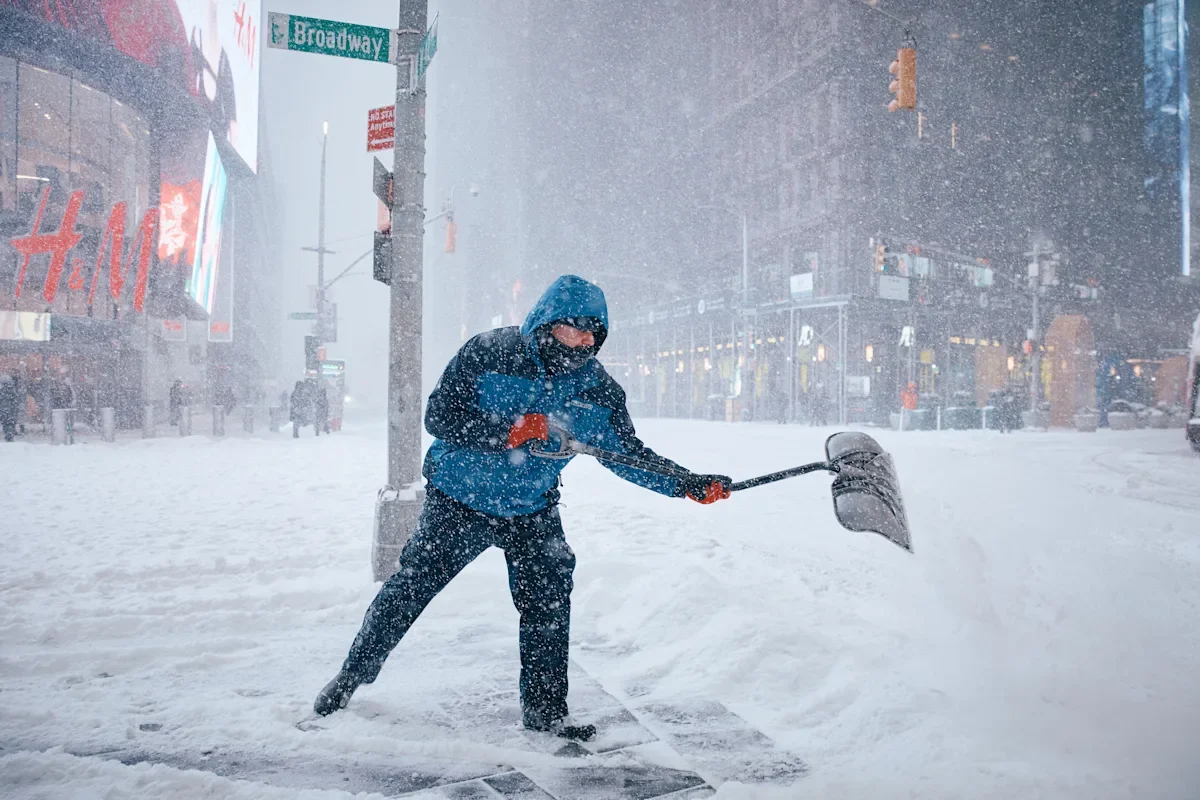
A sprawling winter storm bringing heavy snow, sleet and catastrophic ice accumulation sweeps from the Lower Mississippi Valley to the Northeast, leaving hundreds of thousands without power, canceling more than 11,000 flights and closing major airports like LaGuardia, while prompting federal emergency declarations and widespread travel advisories as subzero cold and dangerous conditions persist into early next week.
Severe flash flooding in Missouri, caused by up to 8 inches of rain, has resulted in the deaths of at least five people, including a couple in their 70s who were election poll workers. The flooding, part of a storm system that also produced tornadoes in Oklahoma and Arkansas, led to numerous water rescues. In Wright County, the couple's vehicle was swept away by flooding at Beaver Creek, while two other deaths occurred in St. Louis County. The storm system also caused tornadoes in Oklahoma and Arkansas, though no injuries were reported from those events.
The Simmons Fire near Kearny, Arizona, has burned 351 acres and is 51% contained, threatening homes and critical infrastructure. Cooler temperatures and higher humidity have aided firefighting efforts, but mandatory evacuations remain in place for about 180 residents. The cause of the fire is under investigation.
Severe weather in Texas, including high winds, hail, and flooding, has caused over 1 million power outages, particularly affecting the Dallas area. Recovery efforts are hampered by ongoing storms, with tens of thousands still without power. At least one person was killed in a weather-related incident in Houston. The storms have been part of a particularly active May for severe weather, with numerous deaths and significant damage reported across the state.