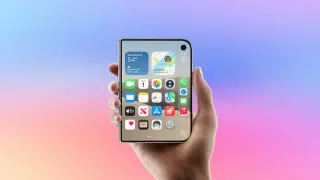
Leak Reveals Disabled 'Complication Column' for iPhone Duo Lock Screen
A code leak suggests Apple tested a vertical widget column for the iPhone Duo's Lock Screen, but the feature remains disabled with no confirmed release date.

All articles tagged with #widgets
A code leak suggests Apple tested a vertical widget column for the iPhone Duo's Lock Screen, but the feature remains disabled with no confirmed release date.
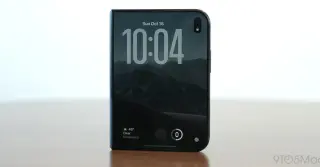
A code leak indicates Apple tested a vertical widget column for the iPhone Duo's Lock Screen, but the feature remains disabled and its future is uncertain.
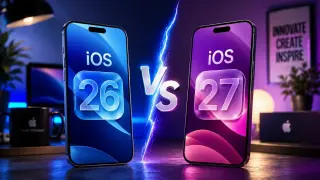
iOS 27 introduces AI-driven features and major UI refinements building on iOS 26, including a Siri-like AI experience, expanded lock-screen customization, a refined liquid glass design, larger widgets, a redesigned camera app with new editing tools, easier Shortcuts automation, and broad performance boosts (faster app launches, faster AirDrop, and quicker photo loading) that also benefit older devices.
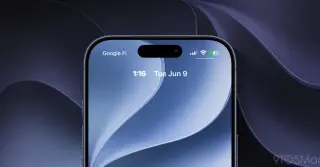
iOS 27’s public beta introduces a slew of non‑AI improvements: smoother AutoMix transitions in Music, iCloud Shared Albums with full‑resolution sharing, independent alarm volume in Settings, a new extra‑large Home Screen widget with full‑screen options for Music/Photos/Weather/Calendar, the ability to dismiss the Now Playing widget on the Lock Screen, moving the clock to the top area of the Lock Screen, saving a video frame as a photo, a redesigned Apple Pay checkout flow, expanded landscape support across more apps, a refreshed Find My design with richer location details, a clipboard paste shortcut above the next keyboard, and a CarPlay audio scrubber for quick scrubbing in cars.
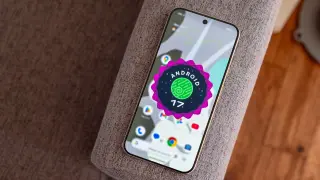
Google has begun rolling out the July 2026 security update (vCP2A.260705.006) for Pixel 6 and newer—the first patch after Android 17 launch—phased over the next week. It fixes issues including navigation alignment on the Pixel 10 Pro Fold when folding/unfolding and a wallpaper shape bug, plus broader fixes for apps that crash, widgets with incorrect colors, and potential boot loops. Google notes some home-screen widgets may disappear after update, with a fix expected in a future release.
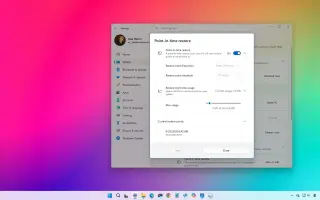
Microsoft’s July 2026 Windows 11 quality update (for versions 25H2 and 24H2) focuses on reliability with features like Point-in-time Restore for automatic rollback via VSS, Screen tint accessibility overlays, and a new, more flexible Windows Update pause (up to 35 days). It also tightens daily-use polish—Widgets defaults become less disruptive, Magnifier gains precise zoom, File Explorer and printers see improvements, and Bluetooth, location, and networking get reliability tweaks. Additional enhancements cover Phone Link call handling, Voice Typing/Voice Access for Copilot+ PCs, and incremental touchpad and SR-IOV networking refinements, all delivered via CFR rollout to gradually reach users. Overall, the update emphasizes safer updates and smoother everyday use rather than flashy new features.
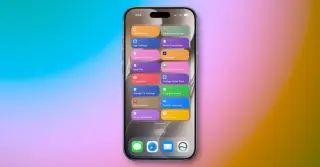
Apple’s iOS 27 introduces a new extra-large widget size that stretches the Home Screen to a 4×6 grid, with 11 core Apple apps currently supporting these widgets in beta 1, enabling more content to be visible at a glance and likely expanding further in future updates.
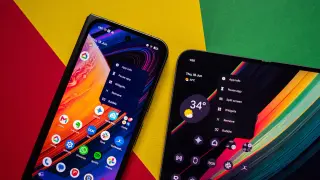
Google says a bug in Android 17 is causing some Pixel home-screen widgets to disappear for users with a work profile; a fix is in development and expected in a future software update, with a workaround being to remove and re-add the work profile to restore widgets.
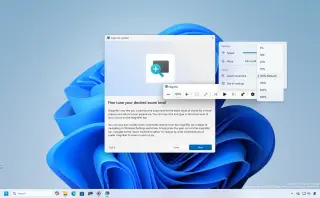
Microsoft’s June 2026 Windows 11 Insider previews mainly polish existing features, adding Screen Tint for eye comfort, a Low Latency Profile to boost responsiveness, quieter Widgets, Magnifier enhancements, File Explorer improvements, a streamlined Windows Update restart flow, and improved Windows Search typo handling to deliver a smoother, more accessible OS experience.

The Verge’s early look at the iOS 27 developer beta highlights non‑AI improvements: a more configurable Liquid Glass opacity, refined app icons, separate volume settings for ringtones/alarms and alerts, the introduction of extra‑large widgets, and a movable Lock Screen clock to reduce clutter, signaling a polished, user‑focused update.
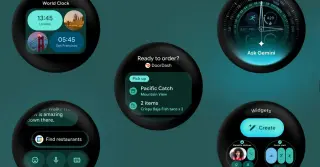
Google announced Wear OS 7 with up to 10% longer battery life for upgrades and new features including Gemini Intelligence, Wear OS widgets (replacing tiles), Live Updates, Enhanced System Media Controls (per-app auto-launch and audio routing), and Watch Face Format 5; a Wear OS 7 Canary emulator is available for developers ahead of a full release later this year.
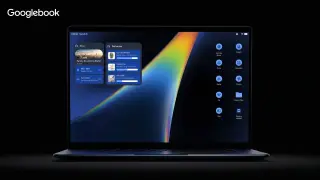
Googlebook adds a true ChromeOS desktop with app icons, folders, and drag‑and‑drop Android apps, plus Gemini‑powered, Create My Widget widgets for personalized dashboards, delivering a more capable, bridge between mobile and desktop workflows while keeping a minimalist option.
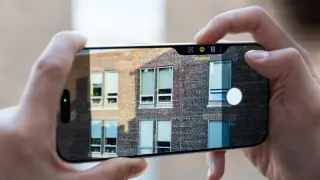
Bloomberg’s Mark Gurman reports Apple’s iPhone Camera app is getting a major revamp for professional users, adding a widgets-based ecosystem that surfaces advanced controls (exposure, depth of field) in an Add Widgets tray, moving the Controls button, and introducing a new Siri mode for tasks like translation and object identification; these features are expected to arrive with iOS 27 at WWDC 2026, though Apple hasn’t confirmed them.
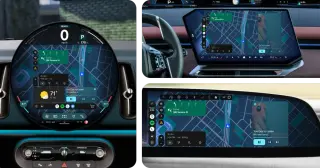
Google’s I/O showcase brings a full-bleed Android Auto UI that adapts to curved and irregular car screens, enables YouTube video streaming in parked mode (4K60 with spatial audio) from the phone, adds Material You Expressive styling, and introduces widget support with Gemini. New AI features include Magic Cue and Gemini acting as a go-between for apps (like Starbucks or DoorDash), plus Maps’ Immersive Navigation for richer in-car visuals, signaling closer integration between phone projections and embedded car systems. HVAC and some car controls still aren’t controllable from Android Auto yet.
Google outlines a Gemini Intelligence–driven Android overhaul for 2026, centered on AI-powered app automation in select apps (food/grocery, ride-hailing), Auto Browse for multi-step web tasks, and AI Autofill, plus Gemini-generated widgets and Rambler voice input. Android Auto gets a redesign with Immersive Navigation, widgets, and broader display support, including video-to-audio transitions in supported cars. Android 17 brings camera improvements, Ultra HDR, stabilization, and Night Mode in Instagram Edits, along with stronger lost-device security, a new location-permission model, and a Pause Point feature. Most changes roll out via Play Services and partnerships rather than a full Android 17 release at once.