
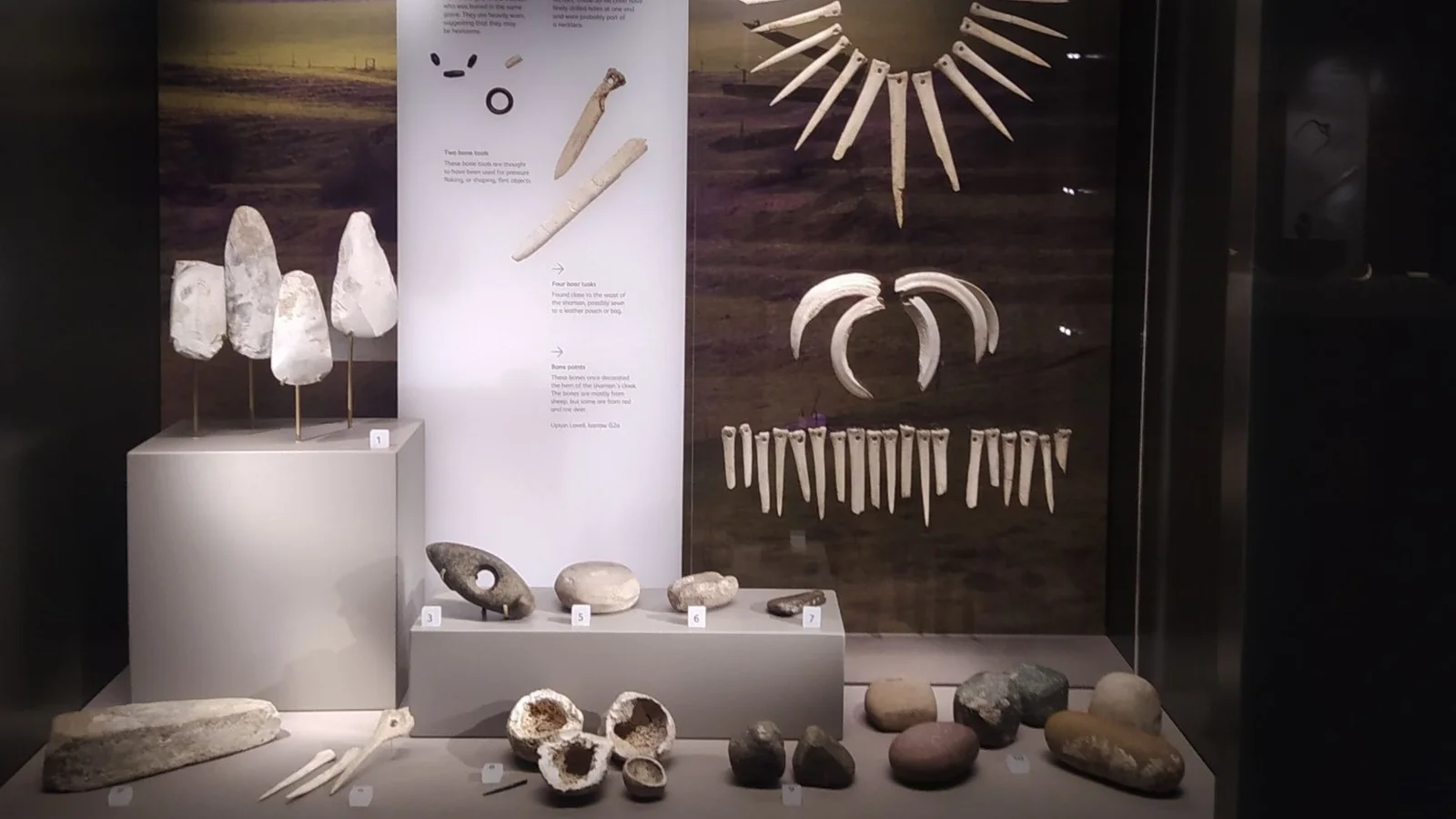
Ancient DNA overturns Bronze Age stereotypes: Stonehenge-era shaman identified as female
Genetic testing of the 4,000-year-old burial known as the Upton Lovell Shaman near Stonehenge shows the individual was female (XX chromosomes), not male, challenging long-held views of Bronze Age metalworkers and leaders. The richly equipped grave—including goldworking tools, a touchstone, and ceremonial objects—suggests she was a high-status metalworker and shaman. The find, highlighted ahead of a new exhibition at the Francis Crick Institute, broadens our understanding of women's roles in Early Bronze Age society.