
Ancient DNA overturns Bronze Age stereotypes: Stonehenge-era shaman identified as female
TL;DR Summary
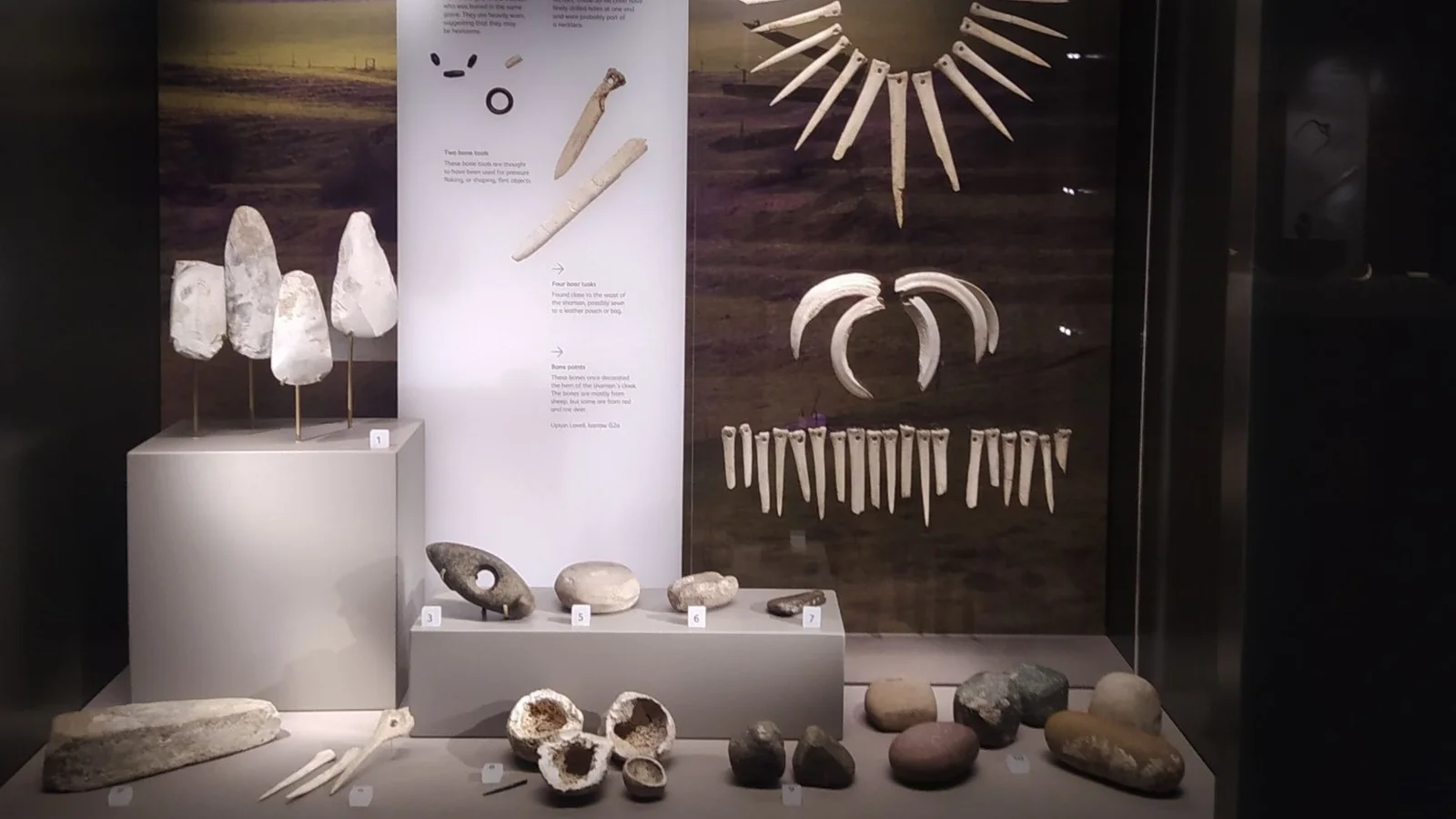
Genetic testing of the 4,000-year-old burial known as the Upton Lovell Shaman near Stonehenge shows the individual was female (XX chromosomes), not male, challenging long-held views of Bronze Age metalworkers and leaders. The richly equipped grave—including goldworking tools, a touchstone, and ceremonial objects—suggests she was a high-status metalworker and shaman. The find, highlighted ahead of a new exhibition at the Francis Crick Institute, broadens our understanding of women's roles in Early Bronze Age society.
- Oops! Ancient Bronze Age shaman long assumed to be a man was actually a woman, DNA reveals Live Science
- Bronze Age ‘shaman,’ previously assumed to be a male metalworker, was actually a woman CNN
- Ancient DNA analysis reveals Wiltshire’s Upton Lovell Shaman was a woman The Guardian
- DNA Analysis Reveals that the “Shaman” of Stonehenge Was a Female Goldsmith from the Bronze Age La Brújula Verde
- Ancient DNA breakthrough solves 4,000-year mystery of Wiltshire’s Upton Lovell ‘Shaman’ The News International
Reading Insights
Total Reads
0
Unique Readers
36
Time Saved
103 min
vs 104 min read
Condensed
100%
20,726 → 74 words
Want the full story? Read the original article
Read on Live Science