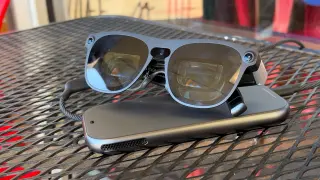
Xreal Aura Review: Bright Hardware, Frustrating Software
The Xreal Aura offers lightweight, high-resolution AR glasses but is hampered by an immature Android XR software ecosystem, inconsistent controls, and a high price tag.

All articles tagged with #xreal aura
The Xreal Aura offers lightweight, high-resolution AR glasses but is hampered by an immature Android XR software ecosystem, inconsistent controls, and a high price tag.

The Xreal Aura is a lightweight, tethered mixed-reality device that runs Google’s Android XR platform. While its micro-OLED displays and portability are praised, reviewers criticize the immature software ecosystem, inconsistent hand tracking, and overheating compute puck. Priced at $1,099 on sale, it is seen as an early prototype rather than a finished consumer product.

The Xreal Aura offers a lightweight, tethered alternative to bulky VR headsets, featuring a 70-degree field of view and Android XR compatibility. While the hardware is praised for its portability and display quality, reviewers cite inconsistent hand tracking and a limited game library as major drawbacks.
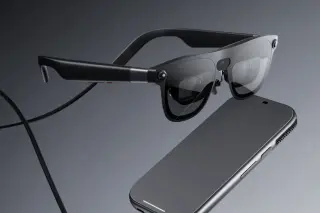
XREAL and Google have officially launched the XREAL Aura, the first AR glasses running the Android XR operating system. The device is available for order in the US, Canada, and South Korea starting at $1,099, a discount from the initial $1,279 preorder price. Shipping begins in mid-November 2026. The glasses weigh under 95 grams and feature a 70-degree field of view, tethered to a compute puck powered by Qualcomm’s Snapdragon Reality Elite chip. The launch includes over 150 XR-specific apps and new immersive content, with Japan joining the launch market on November 2.

Xreal and Google have officially launched the Aura, the first wired smart glasses running the Android XR operating system. The device is available for order in the US, Canada, and South Korea at a discounted launch price of $1,099, down from the initial $1,279 pre-order cost. Weighing under 95 grams, the glasses feature transparent lenses and a 70-degree field of view, connecting via cable to a separate compute puck powered by Qualcomm’s Snapdragon Reality Elite chip. Shipment begins in mid-November 2026, with Japan joining the launch market on November 2. The price reduction is attributed to competitive pressure from Meta’s upcoming VR glasses, which are priced similarly but not expected to ship until spring 2027.
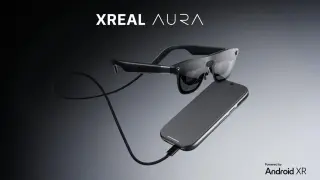
Xreal and Google have officially launched the Aura, the first wired smart glasses running the Android XR platform. The device is now available for purchase at a discounted launch price of $1,099, down from the initial $1,279 pre-order cost. Weighing under 95 grams, the glasses feature transparent lenses and a 70-degree field of view, connecting to a separate compute puck via a cable. Orders are open in the US, Canada, and South Korea, with shipments expected in mid-November. The price cut is widely attributed to competitive pressure from Meta’s upcoming VR Glasses, which are not expected to ship until spring 2027.
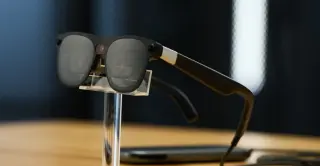
The Xreal Aura, a lightweight mixed-reality headset running Android XR, has launched with a price cut to $1,099, down from its initial $1,279 pre-order cost. The device, which weighs 95 grams and features a tethered compute puck, aims to compete with Meta’s upcoming VR Glasses by offering transparent lenses and a 70-degree field of view. Pre-orders are open in the US, Canada, and South Korea, with shipments expected in mid-November. The price reduction is attributed to competitive pressure from Meta’s device, which is priced similarly but not available until spring 2027. Xreal has also announced a refund for early pre-order customers and is launching with over 150 XR experiences, including titles from Google-owned Owlchemy Labs.

Xreal has set the price for its Aura mixed-reality glasses at $1,279, launching ahead of Meta’s VR Glasses. The device features transparent lenses, a 70-degree field of view, and Android XR support via a tethered compute puck. While Meta’s device offers higher immersion with eye tracking, Xreal’s design prioritizes real-world visibility. Both devices are priced near $1,300, signaling a new cost benchmark for lightweight spatial computing hardware.
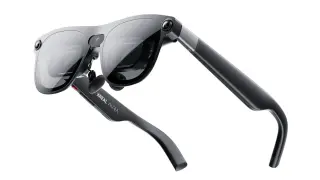
Xreal has officially launched its Aura mixed-reality smart glasses, setting a starting price of $1,279 for pre-order. The device, which weighs under 95 grams, features transparent lenses, a 70-degree field of view, and runs on the Android XR platform via a tethered compute puck. It is positioned as a direct competitor to Meta’s recently announced VR Glasses, which cost $1,299 but are not expected to ship until spring 2027. While Xreal’s glasses offer superior real-world visibility through transparent lenses, Meta’s device provides higher immersion with video passthrough and eye tracking. Initial shipments are limited to the US, Canada, Japan, and South Korea, with broader global availability planned for 2027.
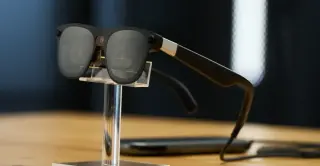
Xreal has opened pre-orders for its Aura mixed-reality glasses at $1,279, positioning them as a direct competitor to Meta’s upcoming VR Glasses. The Aura features transparent lenses, a 70-degree field of view, and Android XR support, shipping first in the US, Canada, Japan, and South Korea. While Meta’s device offers superior immersion and eye tracking, Xreal’s transparent design provides better real-world visibility, marking a significant shift in lightweight spatial computing.