Tag

Cattle

All articles tagged with #cattle

Cattle Groups Warn Trump's Beef-Import Push Could Undercut U.S. Producers
business3 days ago

Cattle Groups Warn Trump's Beef-Import Push Could Undercut U.S. Producers

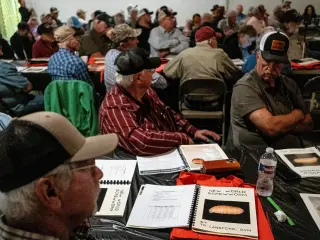
President Trump's plan to allow up to 300,000 metric tons of beef imports with no out-of-quota tariffs for 90 days drew sharp pushback from the National Cattlemen's Beef Association, which called the move political theater that could depress prices and hinder herd rebuilding. Other farm groups and ranchers warned the policy would undermine U.S. producers amid drought, rising costs, and a shrinking cattle inventory, undermining long-term market stability for a short-term pricing goal ahead of the midterm elections.

GOP lawmakers warn Trump’s beef-import plan could harm U.S. ranchers
politics3 days ago

GOP lawmakers warn Trump’s beef-import plan could harm U.S. ranchers

House and Senate Republicans from agricultural states criticized President Trump's plan to suspend tariffs on ground beef imports, arguing that flooding the U.S. market with cheaper foreign beef would hurt American ranchers and slow herd rebuilding, even as the president says prices would fall. Critics noted the lack of clarity on who would supply the beef or which countries would be involved and urged focus on reducing production costs and market-based solutions. The National Cattlemen’s Beef Association also voiced disappointment with the move amid long-running herd-size concerns and recent disease threats to cattle.

Historic cattle shortage drives beef prices higher as relief remains years away
business8 days ago

Historic cattle shortage drives beef prices higher as relief remains years away

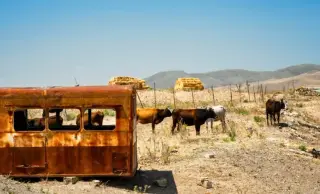
America faces one of its most historic cattle shortages, with the U.S. cattle herd at about 86.2 million in 2026—the smallest since the early 1950s—driven by prolonged drought that has depleted pastures and forced ranchers to shrink herds. Tyson Foods is closing beef facilities in Illinois and Utah and exploring the sale of another in Washington as it reshapes its beef business amid ongoing supply constraints. The reduced herd has helped push beef prices higher, with retail Choice beef up roughly 23% from August 2024 to July 2026, and relief is unlikely soon since rebuilding the cattle herd could take years.

Beef prices surge as drought drains cattle supply and costs soar
business20 days ago

Beef prices surge as drought drains cattle supply and costs soar

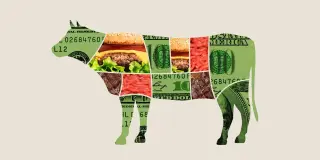
US beef prices have hit record highs due to a shrinking cattle supply from drought and disease. Ranchers face sharply higher input costs (fuel, fencing, hay). Feedlots are paying top-dollar for calves, while the big meatpackers struggle with losses because they must buy cattle at record prices and operate with capacity constraints. Retailers and restaurants can’t fully pass costs to customers, so profits across the chain remain slim. Relief isn’t expected for years, until more cattle reach market.

Arizona–Sonora Border Reopens to Cattle Amid Screwworm Fight
world29 days ago

Arizona–Sonora Border Reopens to Cattle Amid Screwworm Fight

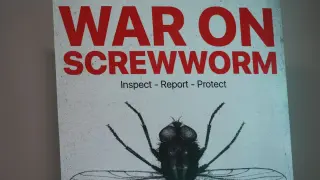
Aug. 24 marks the reopening of the Agua Prieta–Douglas crossing to cattle after a yearlong closure to combat the New World screwworm; USDA deems Sonora and Chihuahua low risk, and Arizona will intensify screening with electronic IDs instead of ear tags to reduce trauma and infestation risk. The effort includes a joint sterile-fly program in southern Mexico, as Texas cases of the parasite threaten U.S. cattle herds and beef prices.

New World Screwworm Spreads Beyond Texas, Threatening U.S. Cattle Industry
world2 months ago

New World Screwworm Spreads Beyond Texas, Threatening U.S. Cattle Industry

The USDA confirms three additional New World screwworm cases, including one in New Mexico, signaling the parasite’s spread beyond Texas. Authorities have quarantines around affected areas and are ramping up sterile‑male fly releases as part of a long‑term program to halt the outbreak, while researchers seek faster sterile‑fly production and a potential Texas fly factory. Beef prices remain steady for now, but the parasite threatens the U.S. cattle industry if containment fails.

South Texas Faces First New World Screwworm Case, Sparking Broad Response
agriculture2 months ago

South Texas Faces First New World Screwworm Case, Sparking Broad Response

Texas has confirmed the first U.S. case of New World screwworm in a 3‑week‑old calf from Zavala County, prompting federal and state actions. While meat isn’t at immediate risk, the outbreak could cost up to $1.8 billion to Texas’ cattle economy and push beef prices higher. Officials are using sterile-fly release programs, quarantines, and enhanced border surveillance with Mexico and Panama to eradicate the pest, building on a historic eradication effort from the 1960s. Hunters and pet owners should monitor wounds on animals and report suspected screwworms to a veterinarian; FDA-approved treatments exist, though medicated feed is not yet approved.

Texas Calf’s Screwworm Infestation Signals Reemergence of a Livestock Threat
health2 months ago

Texas Calf’s Screwworm Infestation Signals Reemergence of a Livestock Threat

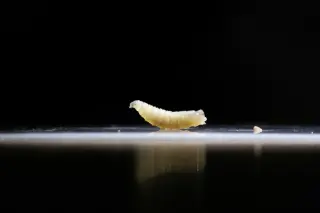
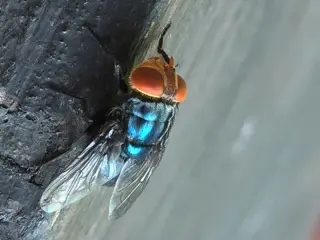
A New World screwworm was found in a three‑week‑old calf in Texas, marking the first animal case in the U.S. since the pest was eradicated in 1966. The larvae can devastate livestock and, if the outbreak spreads, could push beef prices higher amid concerns for the cattle industry. Authorities have quarantined the farm, begun treatment, and plan sterile‑male releases to curb the fly population. Humans can be infected, but such cases are rare; the larger concern is potential livestock losses and broader trade/price impacts if the outbreak grows.

Five Founders, One Island: Amsterdam Island Cattle Defy Dwarfism Myths
science3 months ago

Five Founders, One Island: Amsterdam Island Cattle Defy Dwarfism Myths

DNA from Amsterdam Island’s five founding cows shows mixed Jersey and Indian Ocean zebu ancestry, meaning the tiny herd did not shrink via rapid island dwarfism but started small with enough genetic diversity to rebound into thousands; the study, based on eight whole genomes, upends a 2017 dwarfism claim and suggests the founders carried traits favorable for isolation, despite about 30% inbreeding, before the herd was ultimately removed to protect native species.