Tag

Clothing

All articles tagged with #clothing

New Clothes, New Irritations: Washing Helps, But Some Chemicals Persist
health1 month ago

New Clothes, New Irritations: Washing Helps, But Some Chemicals Persist

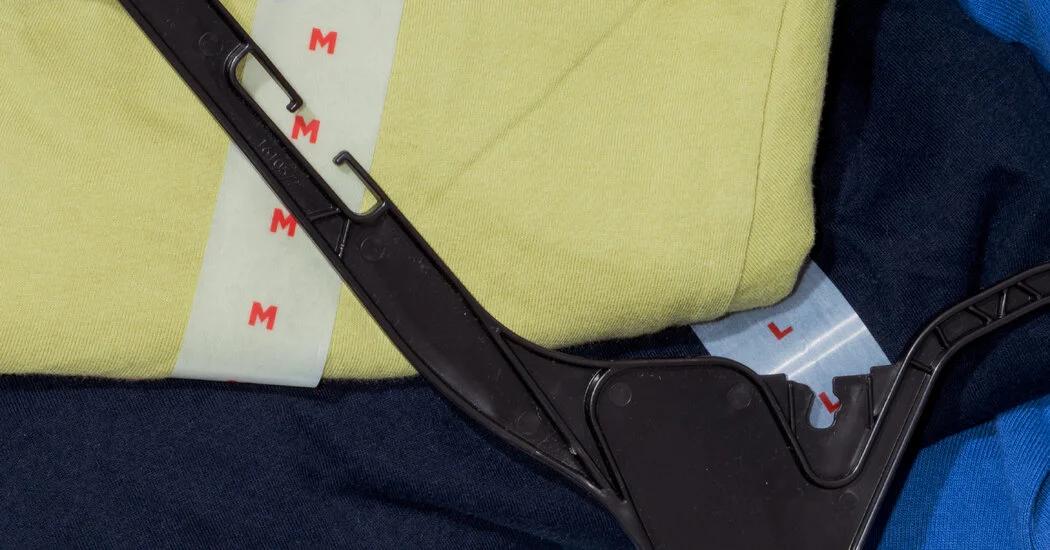
New clothes can irritate skin due to substances like dyes (often azo dyes), fragrances, finishing agents, formaldehyde, and pesticides, especially in areas of friction. A cold rinse can remove much of these irritants, reducing exposure to dyes and fragrances, but some chemicals (e.g., flame retardants and antimicrobial finishes) may linger after multiple washes. For dry-clean-only items, steaming or airing out can help odors, and a barrier layer can be worn underneath; if a rash persists, consult a dermatologist. Most reactions are irritant dermatitis and short-lived, though allergic dermatitis can develop with repeated exposure. Washing may also affect collar stiffness and color vibrancy.

Final Hours: Top Prime Day Deals You Can't Miss
shopping9 months ago

Final Hours: Top Prime Day Deals You Can't Miss

Today is the last day of Prime Day 2025, featuring significant discounts across categories like tech, fashion, home, and grooming. Highlights include deals on Apple AirPods Pro 2, Levi's 501 jeans, Braun shavers, and various clothing and accessories, making it a prime opportunity to stock up on essentials and high-tech gadgets at reduced prices.

Lice Reveal Clues to the Origins of Human Clothing
science1 year ago

Lice Reveal Clues to the Origins of Human Clothing

Research led by David Reed at the Florida Museum of Natural History suggests that humans began wearing clothes around 170,000 years ago, as indicated by the DNA of lice, which are closely associated with clothing. This timeline predates human migration out of Africa into colder climates, implying that clothing may have been driven by social or health-related factors rather than just the need for warmth. The study highlights clothing as a crucial technological advancement that enabled human survival and migration, alongside other innovations like fire and tools.

Tracing the Origins of Clothing Through Lice Evolution
science1 year ago

Tracing the Origins of Clothing Through Lice Evolution

Research led by David Reed at the Florida Museum of Natural History suggests that early humans began wearing clothes around 170,000 years ago, based on the study of lice DNA. This development likely facilitated human migration out of Africa into colder climates, marking a significant technological advancement. The study highlights the role of lice as evolutionary markers, providing insights into human history where archaeological evidence is scarce. This finding underscores the resourcefulness of early humans in adapting to harsh environments, contributing to their survival and eventual global migration.

Ancient Bone Needles Reveal Ice Age Survival Tactics in North America
science1 year ago

Ancient Bone Needles Reveal Ice Age Survival Tactics in North America

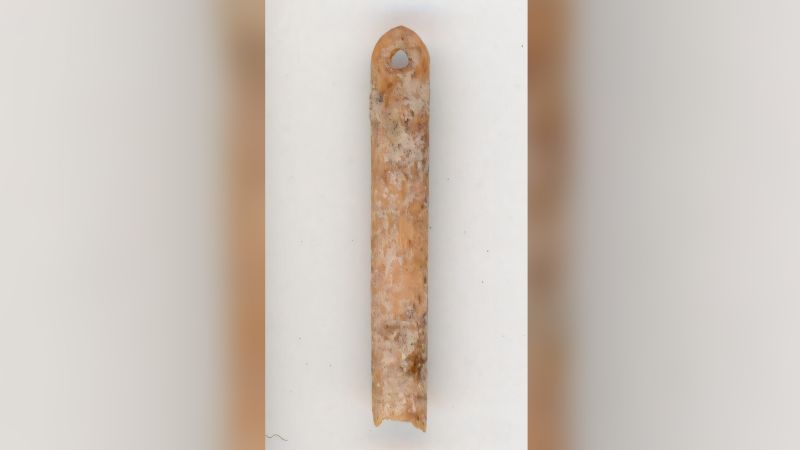
Archaeologists have discovered 32 bone needle fragments at the La Prele site in Wyoming, revealing insights into how early Americans survived the last ice age. These needles, made from the bones of small carnivores like red foxes and bobcats, suggest that prehistoric humans crafted tailored garments to withstand cold temperatures. The study highlights the importance of needles in human migration and survival, as they enabled the creation of warm, close-fitting clothing necessary for expanding into colder regions.

Ice Age Sewing: 13,000-Year-Old Needles Reveal Ancient Tailoring Skills
archaeology1 year ago

Ice Age Sewing: 13,000-Year-Old Needles Reveal Ancient Tailoring Skills

Archaeologists in Wyoming have discovered 13,000-year-old bone needles crafted by Paleoindians, suggesting that early North American inhabitants used these tools to stitch warm clothing, enabling them to migrate to colder climates. The study, published in PLOS ONE, identifies the animal bones used, including those from hares, rabbits, and big cats, highlighting a key cultural innovation that facilitated human dispersal across the Americas. This finding provides detailed evidence of early garment-making, although similar technology may have existed earlier in Siberia.