Tag

Ice Sheets

All articles tagged with #ice sheets

Tropical Ocean Warming, Not CO2, Drove Record Antarctic Snowfall
science2 months ago

Tropical Ocean Warming, Not CO2, Drove Record Antarctic Snowfall

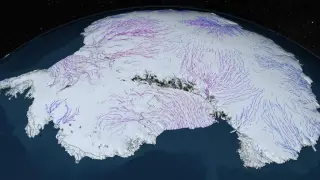
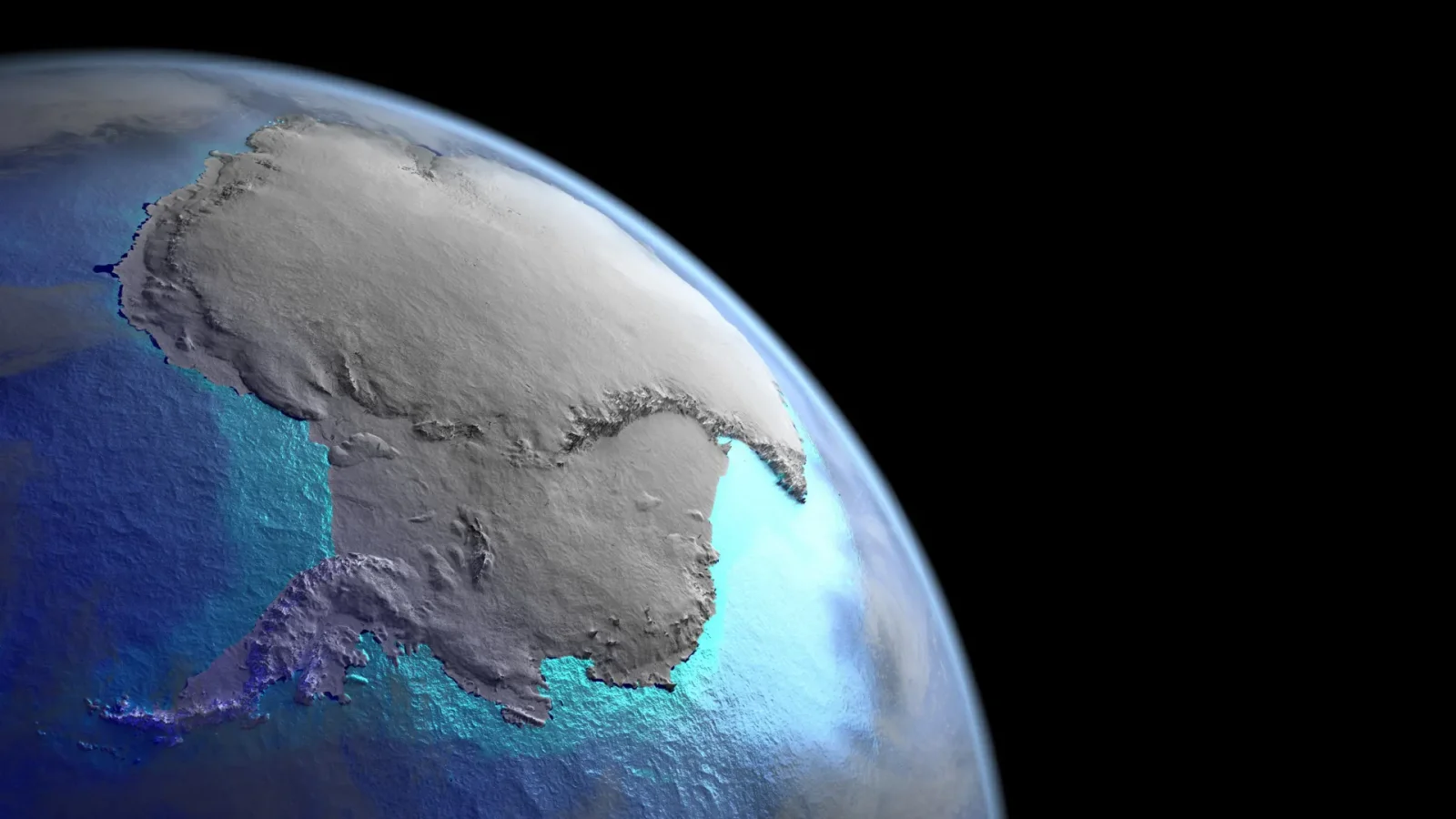
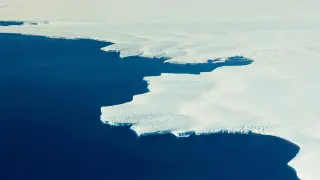
A new study identifies a warming tropical ocean pool, not direct human-caused warming, as the primary driver behind a massive 695 billion-ton ice gain in East Antarctica between 2021 and 2023. This event, the largest recorded by GRACE satellites, was triggered by natural atmospheric circulation patterns that funneled moisture to the continent. While this temporarily slowed ice loss, it does not reverse the long-term trend of melting.
Satellite Data Reveals 12.5 Trillion Tons of Polar Ice Lost Since 1979
science2 months ago

Satellite Data Reveals 12.5 Trillion Tons of Polar Ice Lost Since 1979

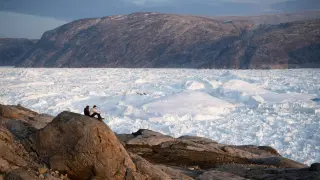
A new international study confirms that Earth’s polar ice sheets have lost 12.5 trillion tons of ice since 1979, contributing to a one-inch rise in global sea levels. The research highlights that warmer ocean waters, rather than just air temperatures, are driving the majority of this melt, with significant acceleration observed in the 2010s despite a brief pause in recent years.

Tropical Ocean Warming Triggered Record 695 Billion-Ton Ice Gain in East Antarctica
climate-science2 months ago

Tropical Ocean Warming Triggered Record 695 Billion-Ton Ice Gain in East Antarctica

A study in Nature reveals that sustained warming in the tropical warm pool from 2021 to 2023 caused a record 695 billion-ton ice gain in East Antarctica. This temporary surge, driven by atmospheric Rossby waves and increased snowfall, contrasts with the continent's long-term loss of 140.5 billion tons annually. While significant, this event does not reverse the overall decline of the Antarctic Ice Sheet, which remains vulnerable to melting in West Antarctica and parts of East Antarctica.

Mantle Uplift Prepared Antarctica for Ice Sheet Formation 34 Million Years Ago
science2 months ago

Mantle Uplift Prepared Antarctica for Ice Sheet Formation 34 Million Years Ago

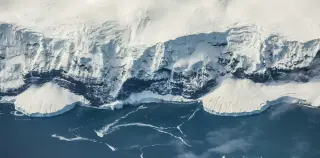
A 2026 study in Science suggests that East Antarctica’s continental ice sheet formed 34 million years ago despite global temperatures being 5°C warmer than today. The research attributes this to slow mantle processes that lifted the interior plateau over 100 million years, creating high-elevation seedbeds for permanent snow. While falling carbon dioxide remains the primary trigger for glaciation, this tectonic uplift lowered the cooling threshold required for ice to persist.

Sailing to Greenland to chart ice-melt's impact on Atlantic currents
environment4 months ago

Sailing to Greenland to chart ice-melt's impact on Atlantic currents

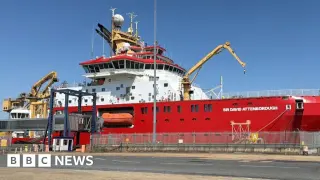
A multinational team aboard the RRS Sir David Attenborough sails to Greenland to study tidewater glaciers and how melting ice sheets could rewire the North Atlantic Subpolar Gyre, with autonomous sensors and AI helping improve climate models; the six-week SE Greenland fjord campaign aims to reveal glacier–ocean interactions that could affect UK rainfall, storms, reservoirs and North Atlantic fisheries.

Mantle Waves Helped Antarctica Freeze Ahead of the Arctic
science4 months ago

Mantle Waves Helped Antarctica Freeze Ahead of the Arctic

A new study argues that deep-Earth mantle waves, triggered during the Gondwana breakup, uplifted East Antarctica around 45 million years ago. This uplift raised elevations high enough for snow to persist, allowing the East Antarctic ice sheet to form by about 34–35 million years ago and contribute to global cooling. The Arctic, lacking similar high terrain, lagged behind by roughly 25 million years, with climate and CO2 declines later driving ice-age conditions. The work suggests geology helped set the stage for ice sheets long before climate alone made the poles cold.

Thin Ice and Light Winds Move Death Valley's Sailing Stones
science5 months ago

Thin Ice and Light Winds Move Death Valley's Sailing Stones

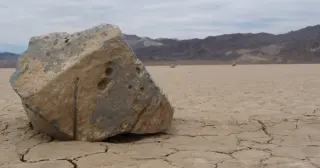
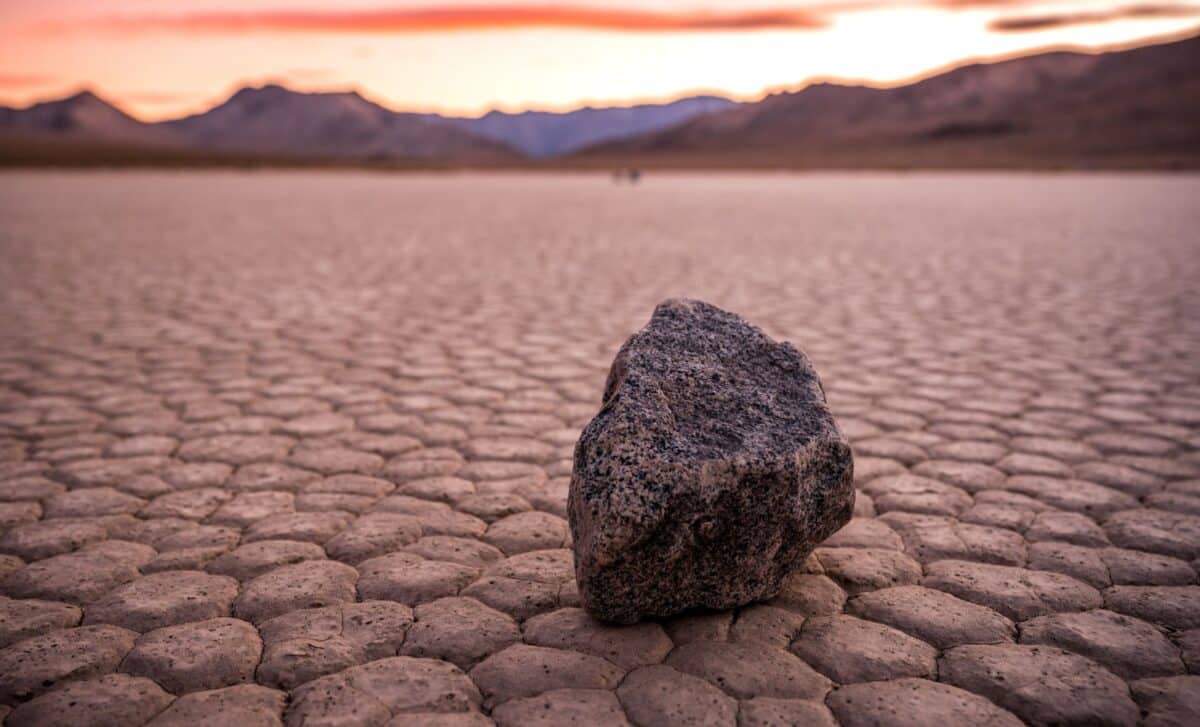
Scientists confirmed how the famous sailing stones at Racetrack Playa move: during a rare winter, a shallow pond freezes into a 3–6 mm ice sheet that cracks into panels; a light breeze pushes these panels, sliding heavy rocks across the mud at a walking pace. The 2013–2014 study installed a weather station, time-lapse cameras, and GPS loggers, capturing major moves (one rock ≈65 m in 16 minutes; total trails up to 224 m) and showing that movement is episodic and dependent on precise conditions, while older theories of hurricane winds or thick ice are unlikely. The finding explains many trails, though not all on the playa, and highlights how subtle forces can shape dramatic landscapes.

Ocean Warming and Ice Melt Push Global Sea Levels Higher, Study Finds
environment6 months ago

Ocean Warming and Ice Melt Push Global Sea Levels Higher, Study Finds

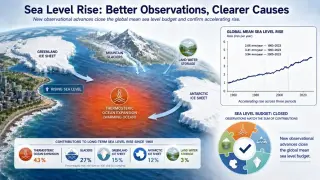
Global sea levels are rising at an accelerating pace driven mainly by warming oceans expanding water, with glaciers and ice sheets contributing increasingly; improved satellite and tide-gauge measurements close a long-standing discrepancy between observations and known causes, and scientists warn sea levels will keep rising for centuries due to climate inertia.

Antarctica’s Hidden Gravity Hole Points to Deep-Earth Roots of Its Ice Sheets
earth-and-climate8 months ago

Antarctica’s Hidden Gravity Hole Points to Deep-Earth Roots of Its Ice Sheets

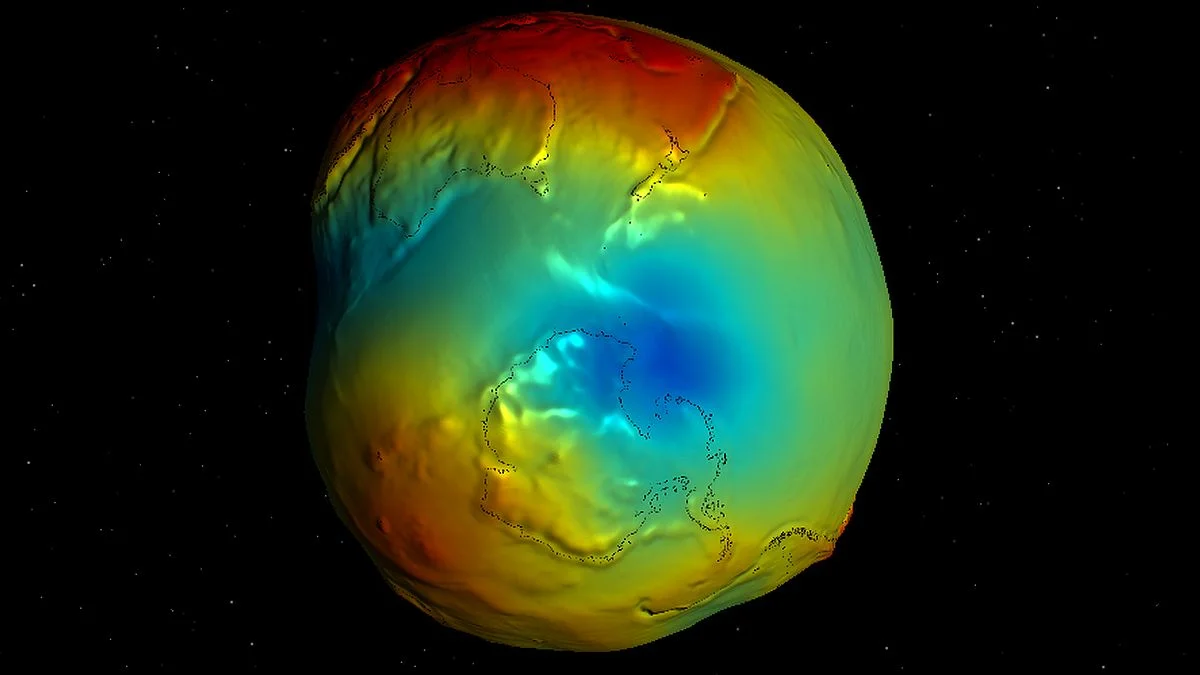
Scientists mapped a gravity low beneath Antarctica caused by extremely slow deep-Earth rock movements over tens of millions of years. The anomaly strengthened between about 50 and 30 million years ago, coinciding with the emergence of Antarctica’s vast ice sheets, suggesting mantle dynamics may have helped shape surface ice and sea level. Using earthquake data like a planetary CT scan and computer models, researchers reconstructed the gravity hole’s history and plan to explore how these interior processes influence climate.

Antarctic gravity low strengthens as mantle dynamics reshape the geoid
science9 months ago

Antarctic gravity low strengthens as mantle dynamics reshape the geoid

Scientists mapped Earth’s interior with earthquakes to build a 3D mantle model and a map of the Antarctic Geoid Low, finding the depression has persisted for about 70 million years but has intensified over the last 40–50 million years as subducted slabs sank and buoyant mantle material rose. The results, which also align with true polar wander, suggest deep Earth processes can subtly shift sea level and influence the growth of Antarctica’s ice sheet; the work was published in Scientific Reports.

Scientists warn of irreversible Antarctic changes and potential catastrophe
science11 months ago

Scientists warn of irreversible Antarctic changes and potential catastrophe

Australian scientists warn that Antarctica is experiencing rapid, irreversible climate changes, including shrinking sea ice, weakening ocean currents, and destabilizing ice sheets, driven by global warming. These changes threaten global sea levels and ecosystems, emphasizing the urgent need for deep emission cuts this decade to prevent irreversible damage.