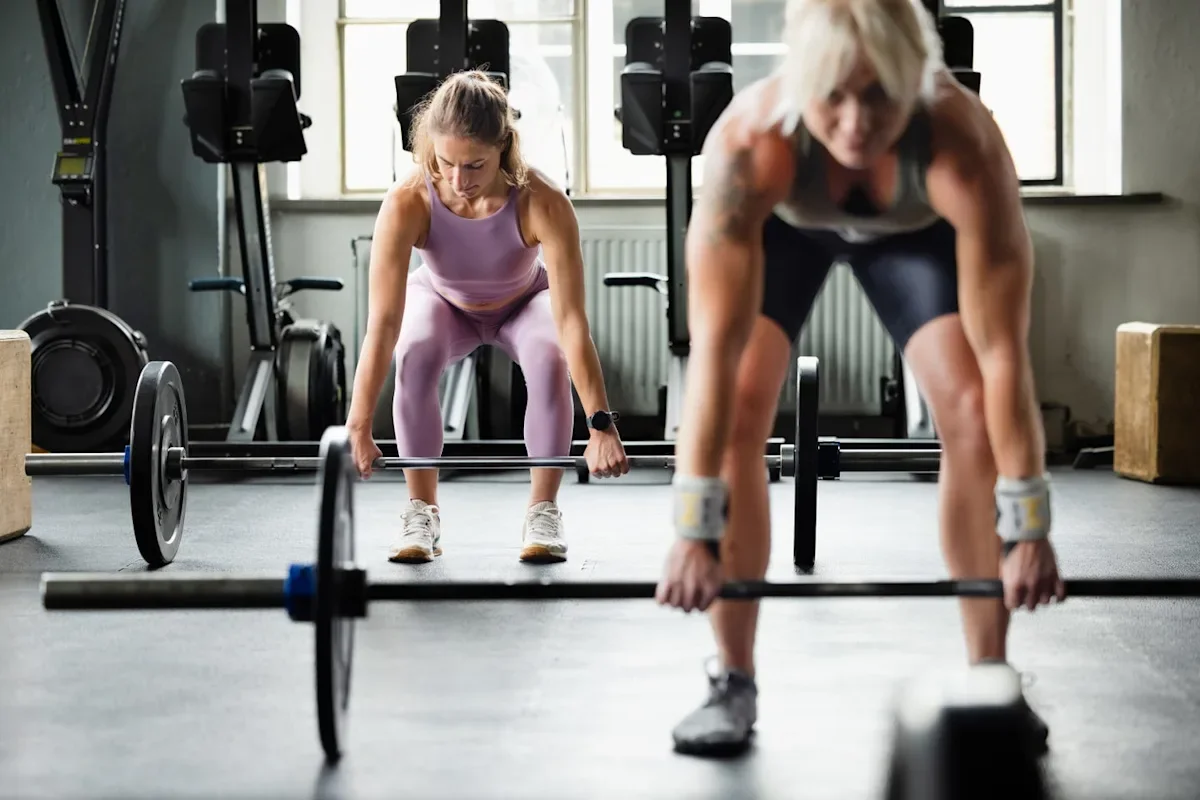
Women's Health UK outlines a six-exercise strength routine designed for busy women, emphasizing that consistent, minimal-effort training can yield significant physical benefits without requiring extensive time or equipment.
A personal trainer asserts that visible chest gains are realistic in 12 weeks with a simple plan: use progressive overload, train chest twice a week with a pressing and a fly variation per session, perform 3 sets of 6–12 reps to near failure, rest 2–3 minutes between sets, and follow a protein-forward diet with a slight calorie surplus (about 1 g protein per lb bodyweight, fats ~25% of protein, carbs to reach modest surplus). Start lean if possible to maximize definition, and be prepared for interruptions or setbacks—consistency and recovery are key to steady progress.
To counter age-related muscle loss (sarcopenia), experts advise women over 50 to prioritize resistance training at least three days a week, focusing on legs, back, and core with 2–3 exercises per muscle group, 6–12 reps, 3–5 sets per exercise, and 60–90 seconds rest. Start with proper form, using bodyweight moves before adding weights, and include a 15–20 minute warmup and a cooldown. Mobility work and regular stretching support safe, effective workouts, while protein intake of 25–30 grams per meal aids recovery. Adopt a mindset that views exercise as an investment in health and independence. A sample weekly plan emphasizes full-body sessions with rest or active recovery days.
A feature explains Lee Bell’s constraints-led approach for a full-body, at-home workout: pick one exercise from each of three groups—squat pattern, upper-body push, and upper-body pull—then perform 2–3 sets of 8–12 reps and repeat, with freedom to swap exercises within the framework. The method emphasizes ownership and variability to boost motivation and adherence, offering a minimal-equipment plan to build muscle without a gym.
Walking improves health and endurance but won’t significantly increase muscle size, as it primarily uses slow-twitch fibers. To build muscle, combine walking with progressive overload via resistance training—add incline, weighted gear or Nordic walking, insert brief strength moves during walks, and mix in HIIT and varied terrain, plus regular strength workouts a couple of days weekly.
Regular exercisers need more protein than the average person (RDA about 0.8 g/kg/day; athletes may need 1.6–2.4 g/kg). Distribute protein across 3–5 meals daily rather than loading up at dinner, and don’t rely on post-workout timing alone to build muscle. Choose leucine-rich proteins with omega-3s and vitamin D, such as salmon, eggs, yogurt, chicken, and beef, and be mindful of saturated fat and missing other nutrients if you overdo protein. A protein shake can help when meals aren’t soon available, but protein alone won’t build muscle without the workout.
For adults over 60 new to strength training, six scalable bodyweight exercises—bodyweight squat, push-ups, step-ups, plank and side planks, chin-ups, and split squat—offer a practical entry to build muscle and functional strength without using weights. Backed by a PT, the moves boost multi-joint strength, balance, and core stability, with progression from simpler to more challenging versions. While significant muscle gains over time may require added resistance, this approach provides a solid foundation and real-life benefits like improved daily function and fall prevention.
Contrary to the misconception, women can gain muscle at roughly the same relative rate as men with resistance training; testosterone explains some baseline differences in muscle mass, but with training both sexes show similar percentage gains, while women typically maintain a higher fat-to-muscle ratio and extremely low body fat can disrupt hormones and fertility.
After 50, building muscle isn’t just about lifting; age-related muscle loss (sarcopenia) accelerates with hormonal changes, so combine regular three-day-a-week resistance training with a protein-rich diet (target about 25–30 g per meal). Focus on major muscle groups (legs, back, core), use proper form, include warmups and cooldowns, and progress gradually. A mindset that exercise is long-term health and independence can boost adherence, while nutrition—especially adequate daily protein—helps maintenance and growth as you age.
To counter age-related muscle loss (sarcopenia), especially accelerated by menopause, women over 50 should lift weights three days a week, targeting legs, back, and core with 6–12 reps and 3–5 sets per exercise. Start with proper form, warm up 15–20 minutes and cool down 10–15, progress gradually from bodyweight to weights, and include mobility work and stretching. Also emphasize protein intake (about 25–30 g per meal) to support muscle repair and growth, and adopt a mindset that exercise preserves independence and quality of life.
Walking improves aerobic fitness and can help prevent age-related muscle loss, but it isn’t a reliable way to meaningfully increase muscle mass. To build SIZE you need progressive resistance training; walking primarily engages slow-twitch fibers. You can raise the muscle-strengthening potential of walking by adding incline, resistance (weighted vests/rucking), and short strength bursts or HIIT, plus varied terrain, but don’t skip dedicated resistance training at least a couple days a week.
The article argues you can build muscle on a plant-based diet by meeting calories and protein with whole-food sources (beans, tofu, grains) and prioritizing recovery over ultra-processed shortcuts, using former footballer Jeffrey Boadi’s Plant Fuel approach as a real-life example.
Six short, low‑intensity daily exercises—sit-to-stand, Romanian deadlift with dumbbells or body weight, wall push-ups, seated band row, calf raises, and Pilates bridges—can help adults 55+ rebuild muscle faster than heavy weight training when paired with adequate protein (20–40 g per meal), quality sleep, and inflammation management, delivered in 10–25 minute sessions to progressively load muscles and joints.
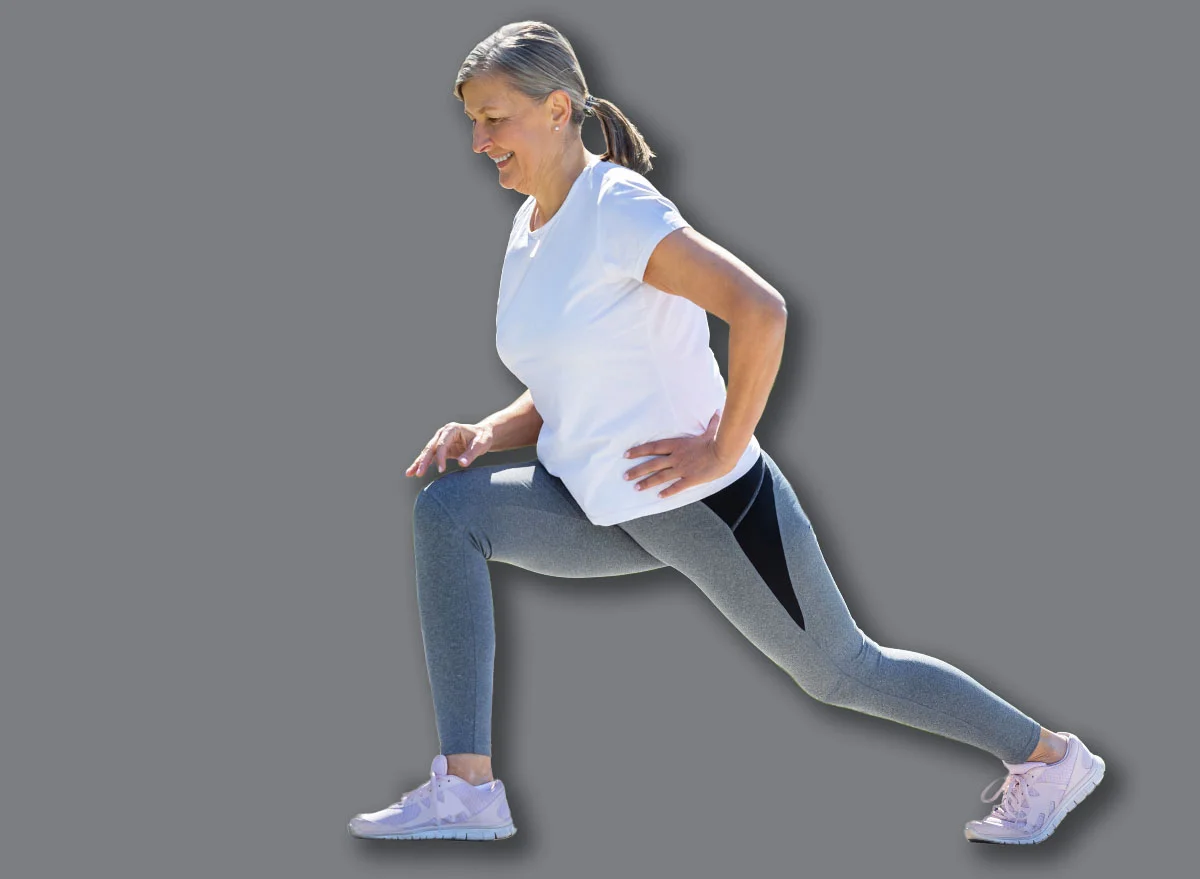
An expert-recommended six-minute, no-equipment morning routine for people 55 and up targets key muscle groups through three short moves: Sit-to-Stand Squats (40s), Incline Push-Ups (40s), and Reverse Lunges (40s), performed as a single circuit with 20 seconds of rest between moves. No weights are required (light dumbbells optional); complete one circuit or repeat for more volume. Warm up lightly, focus on full range of motion and steady tempo, and pair with protein after exercise. Consistency and gradual progression are emphasized to improve strength, balance, and daily independence.
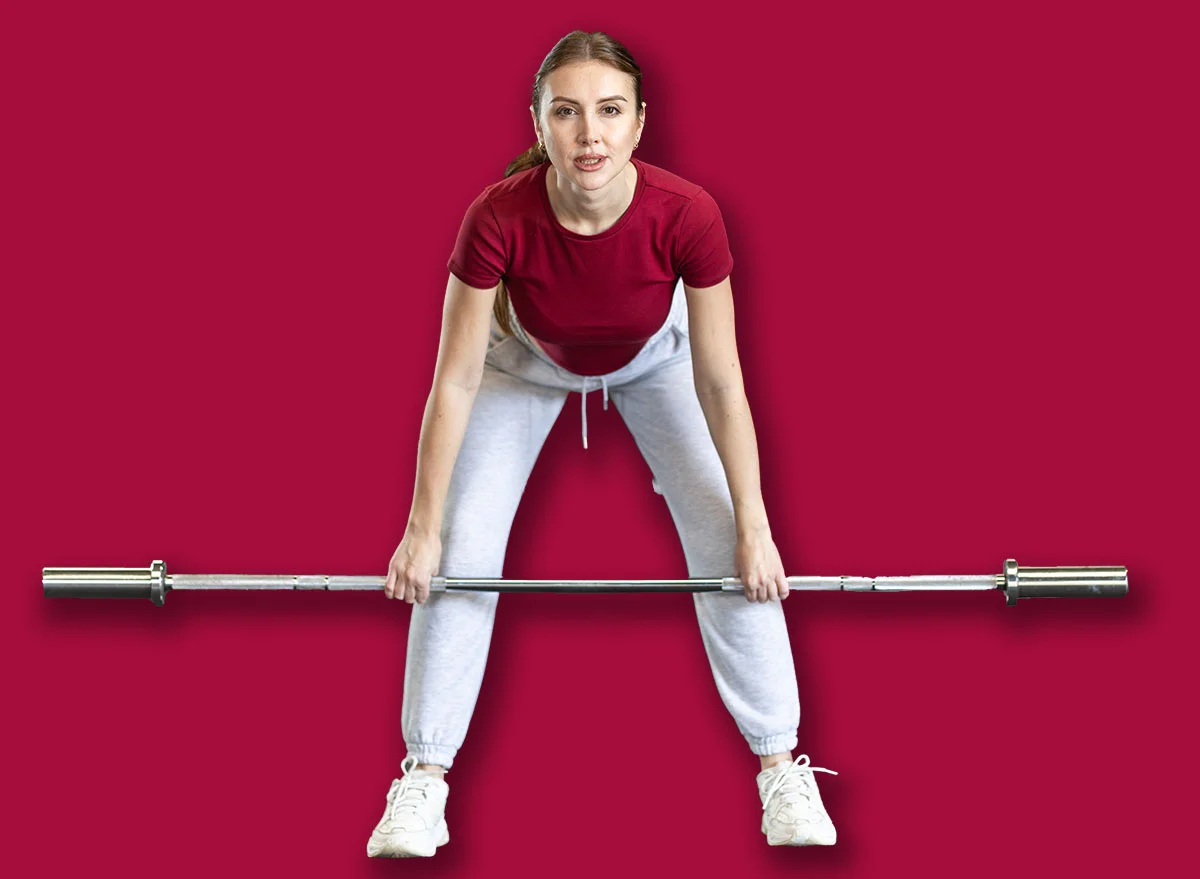
As people pass 45, age-related muscle loss (sarcopenia) increases fall risk and makes daily tasks harder. Experts advocate five daily, full-body moves—Bodyweight Jump Squats, Plank-to-Pushups, Step-up Into High Knee, Sumo Squat Into Reverse Lunge, and Deadlift/Hip-Hinge—to rebuild strength faster than isolated gym machines, while improving neuromuscular control, balance, and functional fitness.