science-and-society3.625 min read
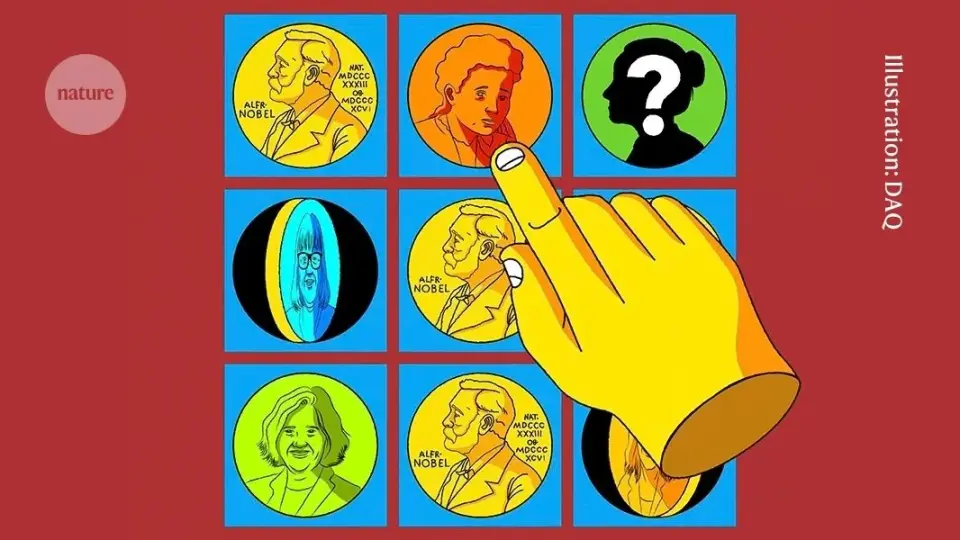
Nature's Interactive Quiz Highlights the Persistent Gender Gap in Science Nobels
9 days ago•Source: Nature

The latest science and society stories, each synthesized from multiple sources with added background and context.

NPR's Rachel Carlson explores the physiological and emotional responses during disagreements and offers strategies for finding common ground. Neuroscientists and psychologists explain that tense conversations trigger physical reactions like increased heart rate and amygdala activation, leading to mistrust and anger. Studies show that agreeing is less taxing on the brain than disagreeing. Experts suggest techniques like focusing on breathing, discussing concerns instead of debating opinions, and practicing empathy to improve communication and understanding. The experiences of Jeanne Safer and Richard Brookhiser, a couple with opposing political views, highlight the importance of mutual respect and avoiding confrontational tactics like 'article thrusting.'
Defector•2 years ago
Pew Research Center•2 years ago
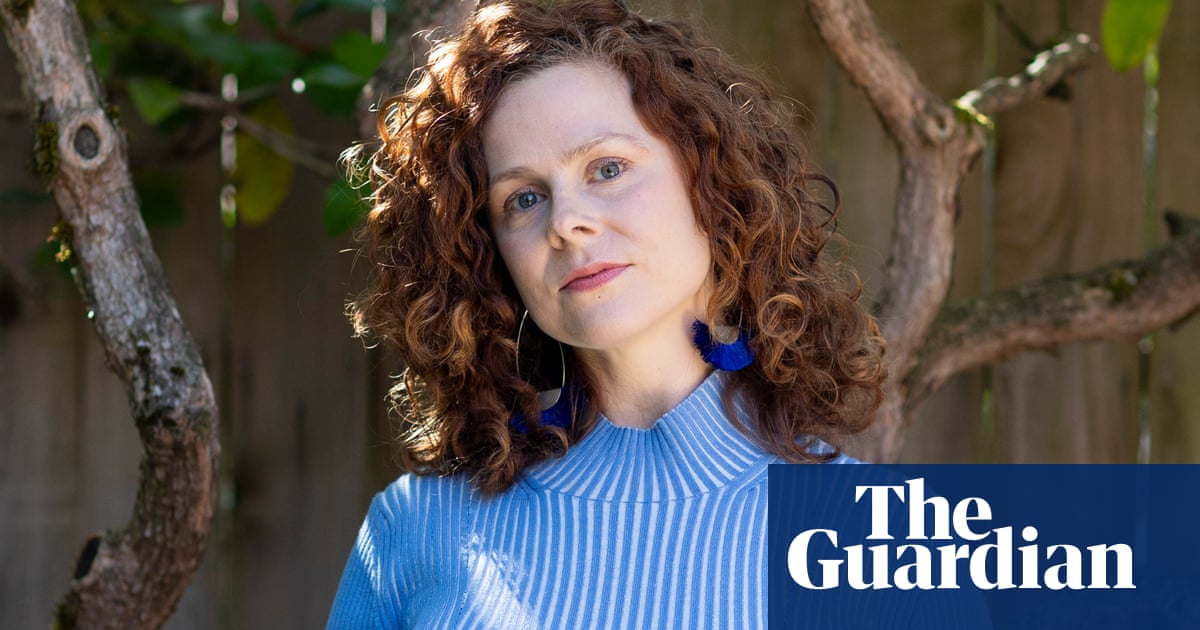
In her book "Eve: How the Female Body Drove 200 Million Years of Evolution," Cat Bohannon challenges the male-centric understanding of human evolution by highlighting the crucial role of women. She argues that innovations such as midwifery, gynecology, wet nursing, and prenatal care have been instrumental in human survival and flourishing. Bohannon addresses the issue of females being excluded from scientific research and emphasizes the need for more data to understand women's bodies and health. The book explores various aspects of the female body, from lactation to the development of language and tools, and aims to provide new perspectives on our bodies and promote cooperation for a better future.
Knowable Magazine is a publication from Annual Reviews, a nonprofit publisher focused on synthesizing and integrating knowledge for the advancement of science and societal benefit.
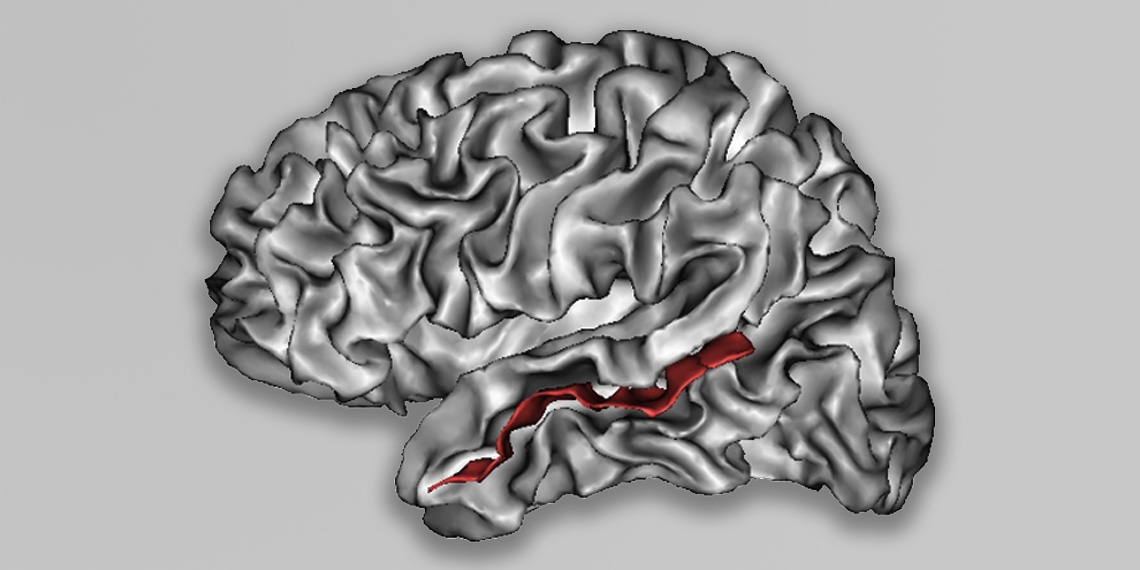
A study published in NeuroImage suggests that individuals who have more interracial interactions exhibit decreased racial bias in perceiving others' mental states for social interactions compared to those with limited interracial contact. The research, conducted on White American participants, found that regular interaction with people from diverse racial backgrounds can lead to more race-neutral brain responses when gauging emotions from the eyes. However, the study's scope was limited, and the findings may not be universally applicable across all races or ethnicities. The differences in brain activity may indicate a difference in neural engagement rather than a deeper understanding of emotions.
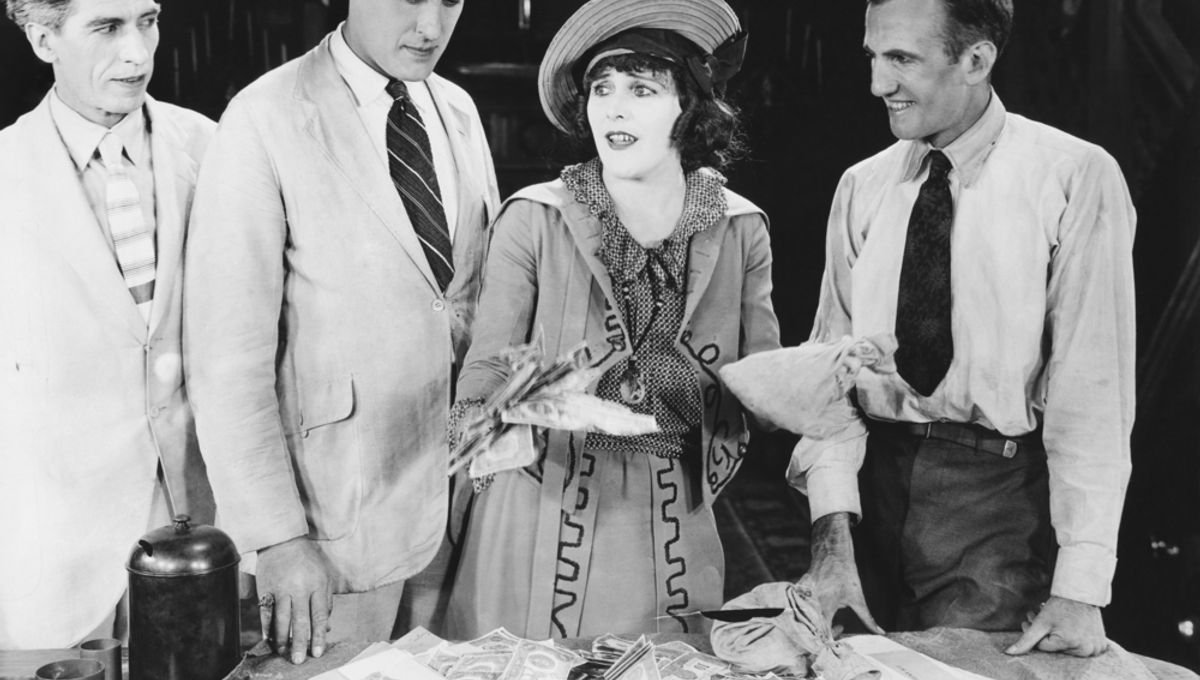
The perception that people in the past looked older may be influenced by changes in rates of aging over time, improvements in healthcare, lifestyle factors, and biases associated with old fashions. A study found that biological aging has decreased in recent generations compared to previous ones, with improvements more noticeable in males and older adults. Factors such as smoking, medication use, early-life conditions, and reductions in infectious diseases contribute to these changes. However, biases in how we view older fashions and selection bias also play a role in perceiving people from the past as looking older.
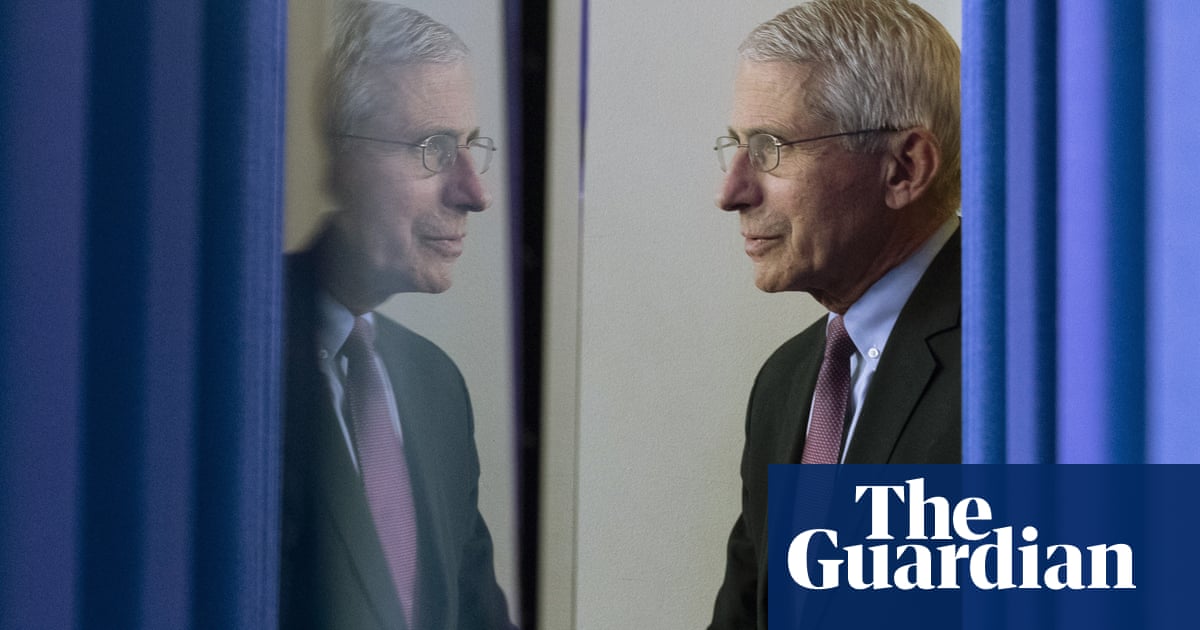
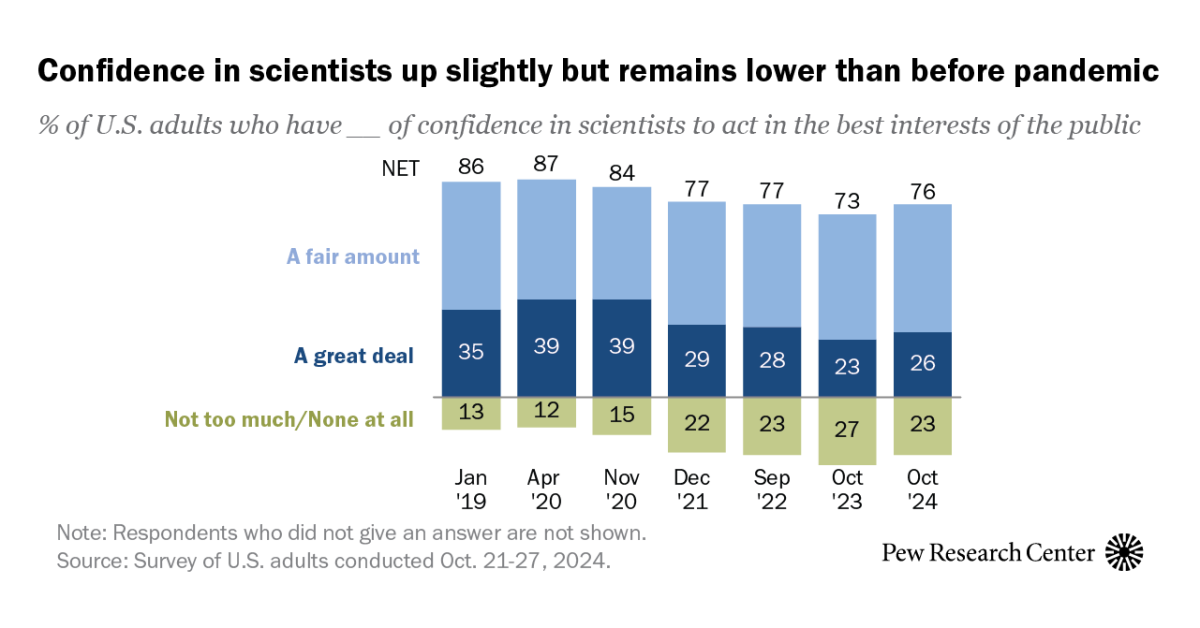
Public confidence in scientists has plummeted in recent years, culminating in widespread pushback against public health measures and vaccines during the Covid-19 pandemic. Just 29% of Americans say they have a great deal of confidence in scientists to act in the best interests of the public, according to Pew Research. Christopher Reddy, a chemist at Woods Hole Oceanographic Institution, has written a book, Science Communication in a Crisis: An Insider’s Guide, challenging scientists to learn how to explain what they know to the public, particularly around environmental disasters and medical emergencies at a time when the spread of misinformation is turbocharged. Reddy argues that scientists are part of the problem and need to engage with the press, the public and other players in ways that illuminate the science rather than obscure it.
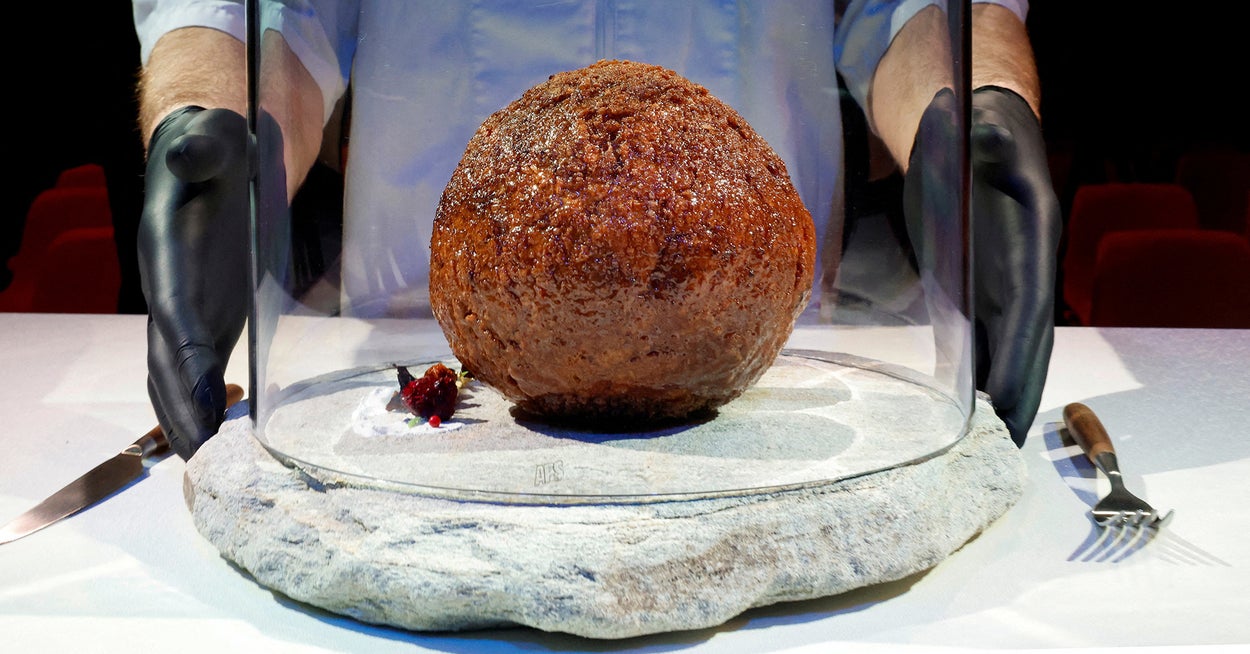
An Australian cultured meat company, Vow, has created an oversize meatball using cultivated flesh in a lab, partly made from the DNA of an extinct woolly mammoth, to educate people on alternatives that are more sustainable than real meat. Meanwhile, a tornado in Mississippi killed at least 26 people, and President Joe Biden toured the ravaged area on March 31. In Nashville, three students and three adults were killed by a shooter at a private Christian school. On a lighter note, the MLB's Opening Day saw the Yankees crush the San Francisco Giants 5-0, with rookie shortstop Anthony Volpe making his major league debut.