Tag

Science And Society

All articles tagged with #science and society

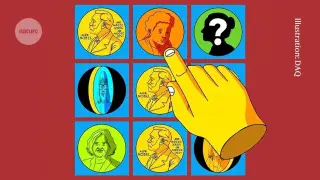
Nature's Interactive Quiz Highlights the Persistent Gender Gap in Science Nobels
science-and-society1 month ago

Nature's Interactive Quiz Highlights the Persistent Gender Gap in Science Nobels

Nature has launched an interactive quiz to test readers' knowledge of women who have won science Nobel Prizes, highlighting that women remain significantly underrepresented in physics, chemistry, and physiology or medicine despite recent efforts by awarding academies to diversify nomination pools. The quiz covers data up to 2025, noting that Marie Skłodowska-Curie is the only woman to have won two science Nobels, and asks users to identify the proportion of female winners in the last decade and the field with the highest number of female laureates. While the academies have acknowledged the disparity and adjusted procedures to improve diversity, men continue to dominate the 125-year history of the awards, with women comprising a small percentage of total recipients in these categories.
Neuroscience 2026: From Maternal Brain Shifts to the Politics of Big Science
science-and-society2 months ago

Neuroscience 2026: From Maternal Brain Shifts to the Politics of Big Science

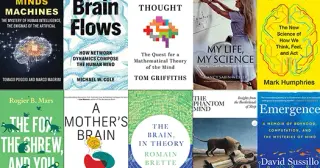
The Transmitter has released its 2026 reading list, highlighting five major new books in neuroscience that explore maternal brain changes, sleep paralysis, and the failure of the European Human Brain Project. The list also features titles on whole-brain modeling and the history of computational intelligence, reflecting a shift toward network dynamics and sociological critiques of large-scale scientific initiatives.

New Zealand’s Public Funding of Unproven Indigenous Claims Draws Scientific Criticism
science-and-society3 months ago

New Zealand’s Public Funding of Unproven Indigenous Claims Draws Scientific Criticism

New Zealand’s government has allocated millions of dollars to research projects based on Māori oral traditions and folklore that lack empirical support or plausible biological mechanisms. Critics argue that cultural deference is lowering scientific standards, leading to the funding of studies such as playing whale songs to diseased trees and promoting the unproven claim that Polynesians discovered Antarctica in the 7th century.

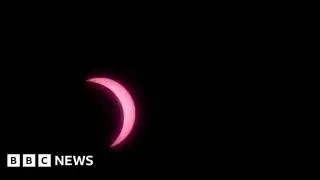
UK and Iberian Spectators React to Rare Solar Eclipse Amid Safety Warnings

UK and Iberian Spectators React to Rare Solar Eclipse Amid Safety Warnings

A rare solar eclipse swept across Europe on August 12, 2026, marking the first total event visible from the continent since 1999. While Spain and Iceland experienced totality, the UK witnessed a partial eclipse, drawing crowds to coastal spots in Cornwall and Yorkshire. Medical experts warned of potential eye injuries from improper viewing, noting that symptoms like central vision spots may appear days later. The event boosted tourism and local business, though some areas faced challenges from wildfire smoke.

Europe’s 2026 Total Solar Eclipse Draws Millions, Boosts Tourism, and Previews 2027’s 'Eclipse of the Century'

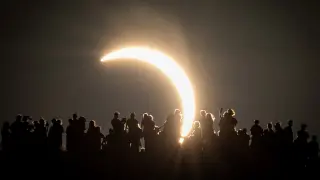
Europe’s 2026 Total Solar Eclipse Draws Millions, Boosts Tourism, and Previews 2027’s 'Eclipse of the Century'

On August 12, 2026, a total solar eclipse swept across parts of Europe, marking the first such event visible from the continent since 1999. The path of totality crossed Greenland, Iceland, northern Spain, and a small portion of Portugal, plunging these regions into temporary darkness. Millions of spectators gathered to watch the rare spectacle, with Spain experiencing its first mainland total eclipse since 1905. The event generated significant economic activity, with hotels in Iceland and Spain charging over $1,000 per night and retailers facing shortages of certified eclipse glasses. While the total phase lasted under two minutes in most locations, the partial eclipse was visible across much of Europe and parts of the northeastern United States. The event also highlighted upcoming astronomical opportunities, including the Perseid meteor shower and the highly anticipated 2027 total solar eclipse, which will feature a longer duration of totality.

The Physical and Emotional Journey of Finding Common Ground
science-and-society2 years ago

The Physical and Emotional Journey of Finding Common Ground

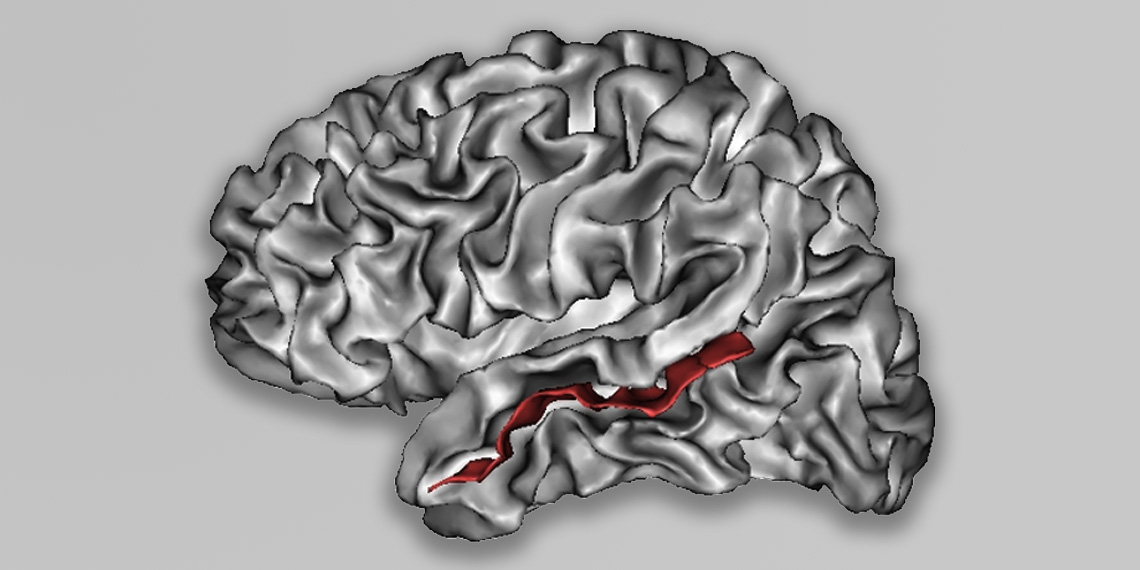
NPR's Rachel Carlson explores the physiological and emotional responses during disagreements and offers strategies for finding common ground. Neuroscientists and psychologists explain that tense conversations trigger physical reactions like increased heart rate and amygdala activation, leading to mistrust and anger. Studies show that agreeing is less taxing on the brain than disagreeing. Experts suggest techniques like focusing on breathing, discussing concerns instead of debating opinions, and practicing empathy to improve communication and understanding. The experiences of Jeanne Safer and Richard Brookhiser, a couple with opposing political views, highlight the importance of mutual respect and avoiding confrontational tactics like 'article thrusting.'

Evolving Trust in Scientists: A Post-Pandemic Perspective
science-and-society2 years ago

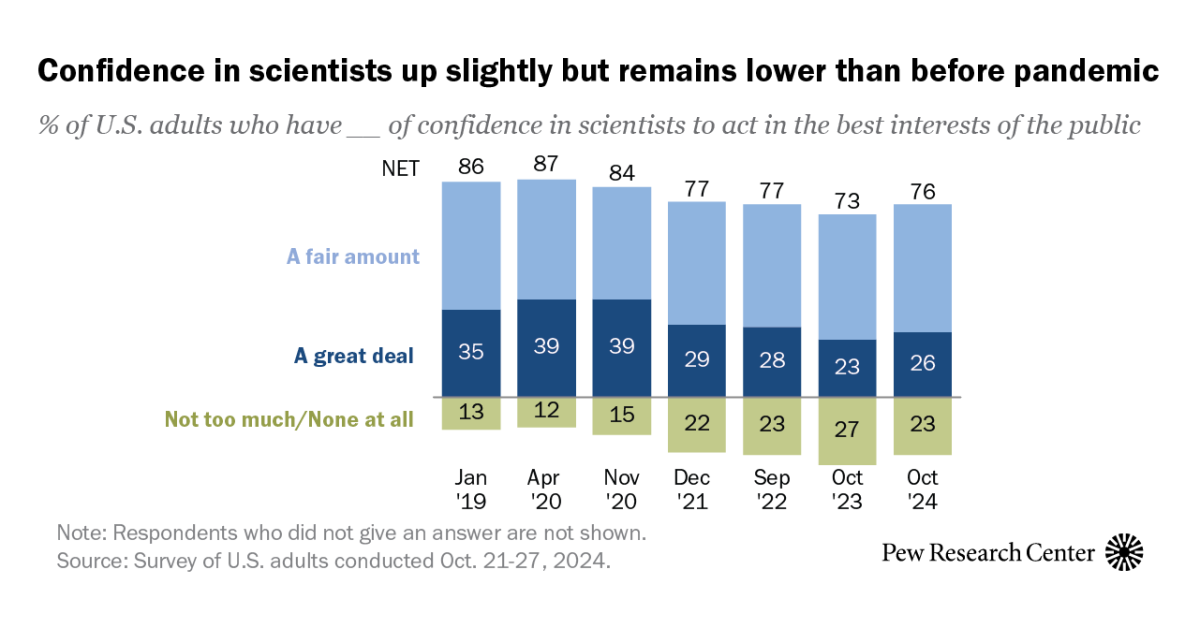
Evolving Trust in Scientists: A Post-Pandemic Perspective

A Pew Research Center survey of 9,593 U.S. adults reveals that public trust in scientists has slightly increased since last year, with 76% expressing confidence in scientists to act in the public's best interests. However, trust remains lower than pre-pandemic levels. The survey highlights partisan differences, with Democrats showing more confidence in scientists than Republicans, though trust among Republicans has risen slightly. Americans are divided on scientists' roles in policymaking, with 51% supporting active involvement. Communication is seen as a weakness for scientists, and public opinion is split on whether scientists make better policy decisions than others.

"Ant Supercharged by Panera Lemonade"
science-and-society2 years ago

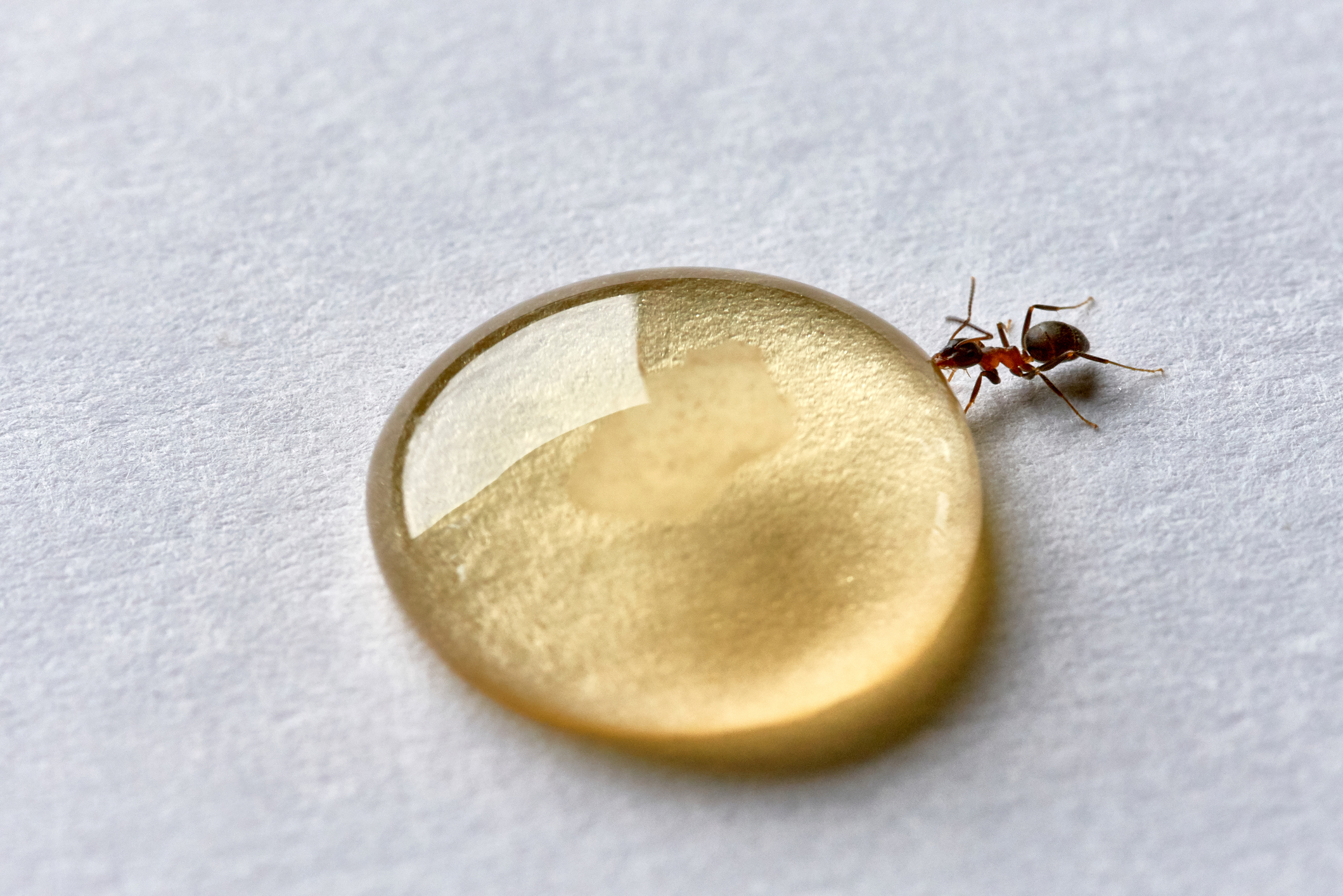
"Ant Supercharged by Panera Lemonade"

Researchers at the University of Regensburg found that Argentine ants given caffeine became more efficient navigators, with moderate doses significantly reducing their foraging time. The study raises humorous speculation about the potential effects of highly caffeinated drinks like Panera's Charged Lemonade on these ants, given their resilience to high caffeine levels.

Declining Trust in Science: Americans' Views on Scientists Plummet
science-and-society3 years ago

Declining Trust in Science: Americans' Views on Scientists Plummet

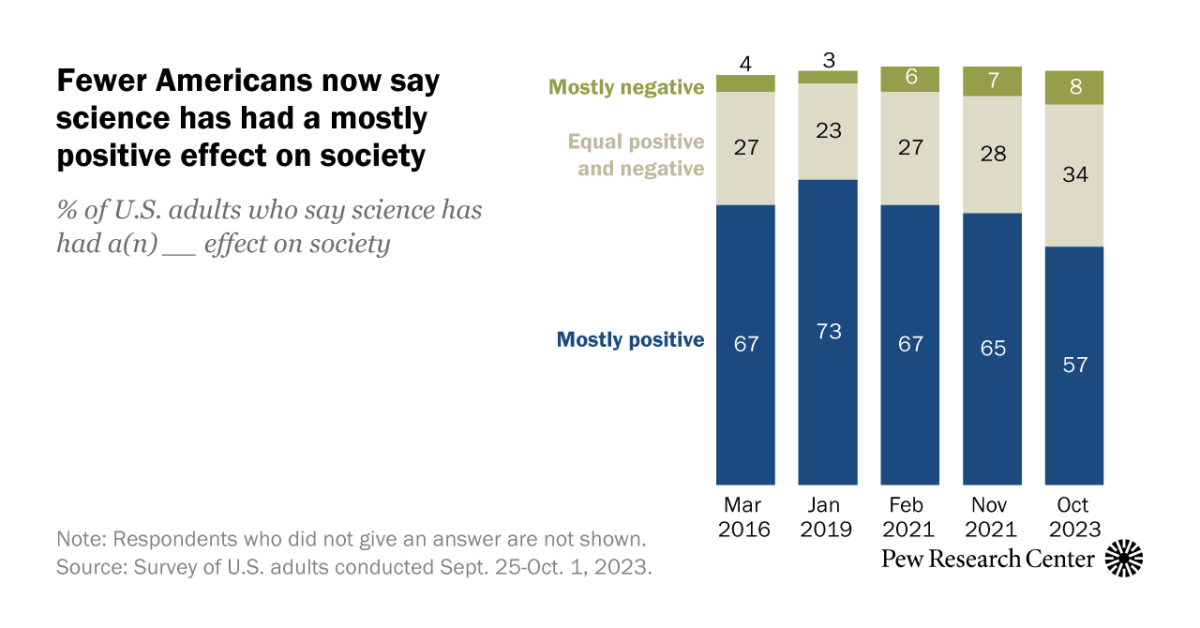
Trust in scientists among Americans, including both Democrats and Republicans, has declined since the start of the pandemic, according to a survey conducted by Pew Research Center. The study also found that the perception of science's positive impact on society has decreased, with 57% of Americans believing science has had a mostly positive effect, down 16 points since before the pandemic. Despite the decline in trust, scientists and medical scientists still rank higher in public regard compared to other prominent groups. The survey also revealed that government investments in science are seen as worthwhile by a large majority of Americans, with 78% believing such investments are beneficial for society.

"The Revolutionary Role of Women in Shaping Human Evolution: A Groundbreaking Perspective by Cat Bohannon"
science-and-society3 years ago

"The Revolutionary Role of Women in Shaping Human Evolution: A Groundbreaking Perspective by Cat Bohannon"

In her book "Eve: How the Female Body Drove 200 Million Years of Evolution," Cat Bohannon challenges the male-centric understanding of human evolution by highlighting the crucial role of women. She argues that innovations such as midwifery, gynecology, wet nursing, and prenatal care have been instrumental in human survival and flourishing. Bohannon addresses the issue of females being excluded from scientific research and emphasizes the need for more data to understand women's bodies and health. The book explores various aspects of the female body, from lactation to the development of language and tools, and aims to provide new perspectives on our bodies and promote cooperation for a better future.

"Interracial Contact Enhances Race-Neutral Brain Responses in Emotion Perception"
science-and-society3 years ago

"Interracial Contact Enhances Race-Neutral Brain Responses in Emotion Perception"

A study published in NeuroImage suggests that individuals who have more interracial interactions exhibit decreased racial bias in perceiving others' mental states for social interactions compared to those with limited interracial contact. The research, conducted on White American participants, found that regular interaction with people from diverse racial backgrounds can lead to more race-neutral brain responses when gauging emotions from the eyes. However, the study's scope was limited, and the findings may not be universally applicable across all races or ethnicities. The differences in brain activity may indicate a difference in neural engagement rather than a deeper understanding of emotions.

Unveiling the Mystery of Aging in the Past
science-and-society3 years ago

Unveiling the Mystery of Aging in the Past

The perception that people in the past looked older may be influenced by changes in rates of aging over time, improvements in healthcare, lifestyle factors, and biases associated with old fashions. A study found that biological aging has decreased in recent generations compared to previous ones, with improvements more noticeable in males and older adults. Factors such as smoking, medication use, early-life conditions, and reductions in infectious diseases contribute to these changes. However, biases in how we view older fashions and selection bias also play a role in perceiving people from the past as looking older.

The Decline of Trust in Science Among Americans.
science-and-society3 years ago

The Decline of Trust in Science Among Americans.

Public confidence in scientists has plummeted in recent years, culminating in widespread pushback against public health measures and vaccines during the Covid-19 pandemic. Just 29% of Americans say they have a great deal of confidence in scientists to act in the best interests of the public, according to Pew Research. Christopher Reddy, a chemist at Woods Hole Oceanographic Institution, has written a book, Science Communication in a Crisis: An Insider’s Guide, challenging scientists to learn how to explain what they know to the public, particularly around environmental disasters and medical emergencies at a time when the spread of misinformation is turbocharged. Reddy argues that scientists are part of the problem and need to engage with the press, the public and other players in ways that illuminate the science rather than obscure it.

Lab-grown mammoth meat used to create giant meatball in startup's triumph.
science-and-society3 years ago

Lab-grown mammoth meat used to create giant meatball in startup's triumph.

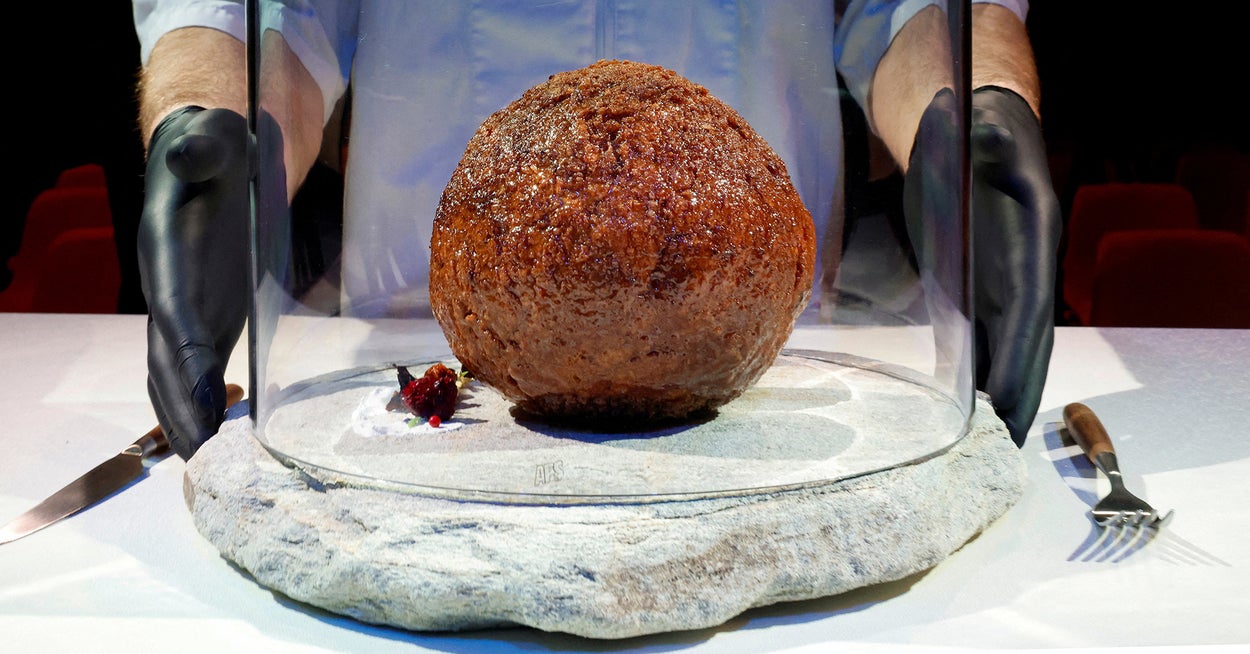
An Australian cultured meat company, Vow, has created an oversize meatball using cultivated flesh in a lab, partly made from the DNA of an extinct woolly mammoth, to educate people on alternatives that are more sustainable than real meat. Meanwhile, a tornado in Mississippi killed at least 26 people, and President Joe Biden toured the ravaged area on March 31. In Nashville, three students and three adults were killed by a shooter at a private Christian school. On a lighter note, the MLB's Opening Day saw the Yankees crush the San Francisco Giants 5-0, with rookie shortstop Anthony Volpe making his major league debut.