
Fed Hike Odds Surge to 81% as Markets Brace for No Rescue
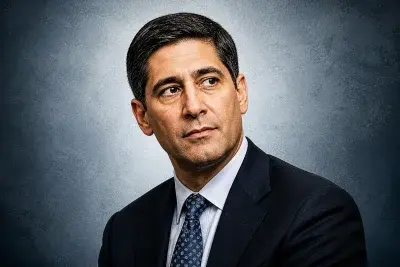
Traders assign an 81% probability to a Federal Reserve rate hike on December 9, despite the S&P 500 trading 5.6% below its recent peak. This signals a shift away from market support, potentially causing simultaneous declines in stocks and bonds for retirees. Historical data suggests such hikes often precede market recovery within a year, but short-term volatility remains high.
Key points
- CME FedWatch tool indicates an 81% chance of a 25-basis-point rate increase at the December 8-9 meeting, up from 78% after October jobs data.
- The S&P 500 is currently 5.6% below its October 6 high, while inflation remains at 3.6% against a 2% target.
- Since 2000, the Fed has raised rates 14 times when the index was 5% or more below its high; the market was higher one year later in 12 of those cases.
- A hypothetical retired couple with $1.8 million in a 60/30/10 portfolio lost $262,196 in 2022 when both stocks and bonds fell simultaneously.
- Fed Chair Kevin Warsh stated that interest rates affect almost everything, while KPMG economist Diane Swonk noted higher rates can cool inflation among wealthy households.
Background
The Federal Reserve raised its benchmark rate to 3.75%-4.0% in September 2026, the first increase since July 2023. At the October 28 meeting, the Fed held rates steady by a 10-2 vote, with dissenters Lisa Cook and Beth Hammack favoring an immediate hike. Previous coverage noted that markets priced a less than 10% chance of an October hike due to midterm election timing, but expectations for a December increase have since solidified.
How outlets are covering it
24/7 Wall St. and Yahoo Finance emphasize the historical risk for retirees, noting that 12 of 14 past hikes into falling markets were followed by recovery within a year, but the 2022 cycle saw simultaneous stock and bond losses. Vietnam.vn highlights a recent market sell-off that briefly lowered hike odds to 70%, citing concerns over AI investment slowdowns and safe-haven bond demand. While 24/7 Wall St. focuses on the pain of a rate hike into a declining market, Vietnam.vn notes that a slowdown in AI spending could naturally ease inflation, potentially reducing the need for further tightening.
Why it matters
A rate hike into a falling market signals the Fed will not cushion equity declines, unlike in 2008 or 2020. For retirees, this means potential simultaneous losses in stock and bond portfolios, requiring adjustments to withdrawal rates to avoid depleting savings. The 2022 precedent shows a 14.6% portfolio loss for a 60/30/10 mix, though historical data suggests recovery within 12 months in most cases.
What to watch
The next key data point is the US October jobs report, which showed 165,000 jobs added and unemployment at 4.1%. Traders will monitor Tuesday's inflation report for further signals. If the Fed raises rates in December, it will be the second hike of the current cycle, with projections calling for a hold at 4.1% through 2027. Market odds may shift based on AI investment trends and labor market strength.
- Kevin Warsh's Expected Rate Hike Is a Warning to Retirees That the Fed Won't Rescue Stocks 24/7 Wall St.
- Kevin Warsh’s Expected Rate Hike Is a Warning to Retirees That the Fed Won’t Rescue Stocks Yahoo Finance
- If the Fed Raises Interest Rates in December, I'm Making This 1 Investing Move The Motley Fool
- Despite strong pressure from officials, the market is still reducing its bets on a Fed interest rate hike in December. Why? Vietnam.vn
- Fed Rate-Hike Odds Rise to 76% as Inflation Stays Above Target TOKENPOST
Want the full story? Read the original reporting
Read on 24/7 Wall St.