
Fed Hikes Rates to 4%, but Officials Split on Pace to Tame Inflation
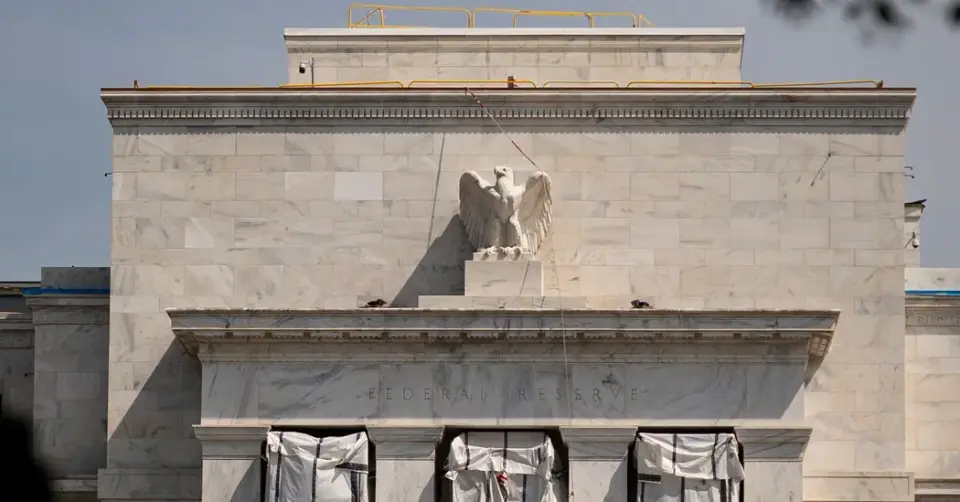
The Federal Reserve raised interest rates by 25 basis points to a range of 3.75%-4.00%, marking the first hike in a cycle aimed at curbing inflation that has remained above the 2% target for nearly six years. While the committee voted unanimously to increase rates, internal divisions persist regarding the speed and magnitude of future hikes. Recent data showing broadening price pressures has intensified the debate, with some officials advocating for more aggressive tightening to prevent inflation from becoming entrenched, while others favor a gradual approach to avoid economic shock.
Key points
- The Federal Open Market Committee voted 12-0 to raise the federal funds rate by 25 basis points to a range of 3.75%-4.00%.
- Chair Kevin Warsh stated the move was intended to support a 'timelier return' to the 2% inflation target, noting that monetary policy was not sufficiently restrictive.
- October inflation data showed price pressures broadening beyond energy, with both headline and core consumer prices rising more than expected.
- Economists polled by Reuters expect one final rate hike in December, bringing the total to 4.00%-4.25%, though a minority sees two more increases.
- The Fed’s economic projections suggest core inflation will decline to 2.5% in 2027, still above the target, before rates potentially begin to fall by 2029.
Background
The current rate hike follows a period of hesitation, including rate cuts in 2024 and 2025 despite inflation remaining above target. Recent months have seen a re-acceleration of price pressures, with October marking the third consecutive month of higher-than-expected increases. This shift contrasts with earlier projections that inflation would reach 2% by 2026, highlighting the persistent challenge of achieving price stability.
How outlets are covering it
The New York Times emphasizes the internal division among Fed officials regarding the pace of rate hikes, noting that while there is broad agreement on the need to raise rates, the speed remains unsettled. National Review highlights the hawkish stance of Chair Kevin Warsh, who argued that stable prices benefit the majority of Americans who do not own financial assets, and criticized the Fed’s historical tendency to prioritize employment over price stability. Idaho Statesman, citing a Reuters poll, notes that while a majority of economists expect the December hike to be the last in the cycle, a strong minority, including many primary dealers, anticipate two more increases, reflecting uncertainty about the severity of the inflation threat.
Why it matters
The decision to raise rates signals a shift in monetary policy to address persistent inflation, which has remained above the 2% target for nearly six years. The pace and magnitude of future hikes will influence economic growth, employment, and the cost of borrowing for consumers and businesses. The internal divisions within the Fed suggest that the path to price stability may be contentious, with potential implications for financial markets and the broader economy.
What to watch
The Federal Reserve is expected to raise rates again in December, with markets and economists anticipating a 25-basis-point increase to a range of 4.00%-4.25%. The outcome of the December meeting will depend on incoming inflation data, with some officials advocating for a larger 50-basis-point move if core inflation remains elevated. The Fed’s economic projections suggest that core inflation will decline to 2.5% in 2027, but the path to the 2% target remains uncertain.
- The Fed Has to Raise Rates. How Fast to Go Has Officials Divided. The New York Times
- Federal Reserve Raises Interest Rates, At Last Begins to Do Its Job National Review
- Fed rate call leaves stock investors watching December closely TheStreet
- Fed to raise rates once more in December as inflation risks stay high: Reuters poll Idaho Statesman
- Fed Holds Interest Rates Steady as US Economy Grows: What It Means for Borrowers and Savers - ROA Comparison www.dars.gov.et
Want the full story? Read the original reporting
Read on The New York Times