
Fed to Cut Rate-Setting Meetings to Seven in 2027, Six in 2028
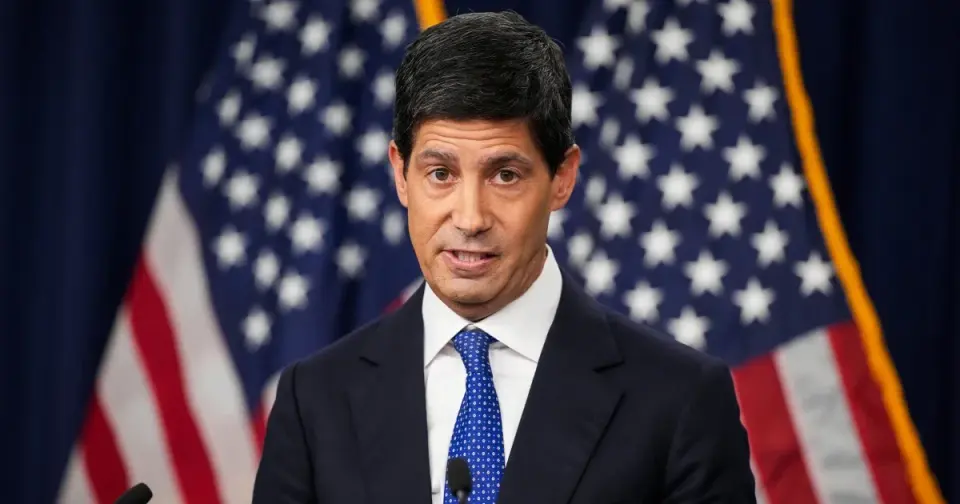
Federal Reserve Chairman Kevin Warsh announced that the central bank will reduce the number of meetings dedicated to setting interest rates, starting with seven rate-setting sessions in 2027 and six in 2028. This change replaces one or two annual meetings with strategic deliberations on broader economic issues, marking a significant shift from the eight-meeting cadence maintained since 1981. The announcement followed a 10-2 vote to keep rates steady at 3.75%-4.00%, with two officials dissenting in favor of a hike.
Key points
- Warsh stated that the Fed will hold eight meetings annually in 2027, but only seven will involve interest rate votes, with one focused on broad monetary policy strategy.
- In 2028, the number of rate-setting meetings will drop to six, as two meetings will be dedicated to strategic deliberations.
- The rationale is to allow the committee more time for long-term strategic thinking rather than focusing solely on immediate rate adjustments.
- The Fed voted 10-2 to hold rates steady at 3.75%-4.00%, with Governors Lisa Cook and Beth Hammack dissenting in favor of a 25-basis-point increase.
- Warsh has also eliminated forward guidance and shortened post-meeting press conferences, reducing the frequency of public signals to markets.
Background
The Federal Reserve has maintained an eight-meeting annual schedule since 1981. Warsh, who took office in May 2026, began discussing this reduction in July, as noted in FOMC minutes. This move follows his recent changes to Fed communication, including the elimination of forward guidance and shortened press conferences, which have already increased market uncertainty.
How outlets are covering it
NBC News and The New York Times emphasized the structural change to the meeting calendar as a major shift in Fed policy. CNBC highlighted the dissent from Governor Lisa Cook, noting it was her first dissent since 2022, and framed the meeting reduction as a surprise. Yahoo Finance focused on the increased stakes for each remaining meeting due to the lack of forward guidance. All sources agreed on the vote count and rate decision, but differed in emphasis: NBC and NYT focused on the calendar change, while CNBC and Yahoo Finance highlighted the dissent and market implications.
Why it matters
Reducing the number of rate-setting meetings could make the Fed less nimble in responding to sudden economic changes, potentially increasing market volatility. The shift to strategic deliberations may signal a longer-term focus on inflation and economic growth, but it also removes a key signal for investors and businesses. The dissent from two officials suggests internal disagreement on the pace of policy, which could influence future decisions.
What to watch
The Fed will hold its next rate-setting meeting in December, where markets are pricing an 82-85% chance of a hike. The first strategic meeting is expected in 2027, and the full impact on market volatility and economic policy will be assessed as the new schedule takes effect. Warsh’s continued refusal to provide forward guidance may keep markets in a state of heightened uncertainty.
- Fed plans to eliminate some rate-setting meetings, chairman says NBC News
- Here are five key takeaways from the Fed rate decision and Warsh news conference CNBC
- Warsh Says FOMC Meeting Schedule Will Change as of Next Fall Bloomberg
- Fed Will Hold Fewer Rate-Setting Meetings Starting Next Year The New York Times
- The Fed just removed a 2027 rate decision — making the remaining 7 even more important Yahoo Finance
Want the full story? Read the original reporting
Read on NBC News