
Analysts Warn of Looming Fuel Price Spike as Iran Conflict Disrupts Saudi Infrastructure
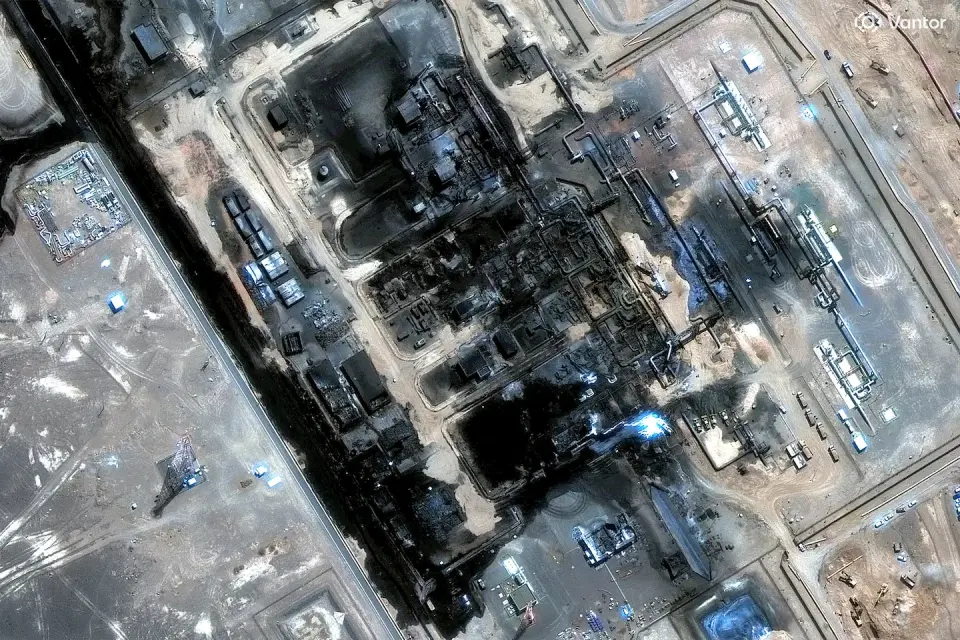
Analysts predict a significant jump in U.S. gasoline and diesel prices due to the ongoing U.S.-led war with Iran, which has damaged critical Saudi oil infrastructure. While the Trump administration maintains optimistic messaging, experts warn that a new, more economically damaging phase of the conflict may begin. Diesel prices have hit record highs for eight consecutive days, and regional prices in the Midwest and West Coast are surging, with some stations exceeding $4.50 per gallon. The damage to the East-West pipeline in Saudi Arabia, attributed to Iranian-backed militias, threatens to exacerbate the crisis, with repairs potentially taking months.
Key points
- The U.S.-led war on Iran is driving a surge in gasoline and diesel prices, with analysts predicting further increases.
- Iranian-backed militias have damaged the East-West pipeline in Saudi Arabia, a crucial route for oil exports, potentially causing a long-term disruption.
- Diesel prices have reached record highs for eight consecutive days, raising concerns about inflation across the U.S. economy.
- The Trump administration’s optimistic messaging contrasts with analyst forecasts of worsening economic impacts beyond the November midterms.
- Gas prices in the Portland metro area are approaching $6 per gallon, while Cincinnati saw prices surge to $4.59 at some stations.
Background
Gas prices have been rising since the Iran war began in early 2026, with a 44% increase since February. In August 2026, the national average reached a record high of $4.14 per gallon during Labor Day weekend. The conflict has disrupted oil transport through the Strait of Hormuz, removing roughly 10 million barrels per day from the market. Previous diplomatic efforts to reopen the Strait of Hormuz in August 2026 failed to prevent price spikes, and inflation remains above the Federal Reserve’s 2% target.
How outlets are covering it
The Washington Post emphasizes the potential for a new, more damaging phase of the war and the long-term impact of damaged Saudi infrastructure, contrasting this with the Trump administration’s optimistic messaging. Axios highlights that while extreme price spikes of $10 per gallon are less likely, the pain at the pump remains real, with Portland approaching $6 per gallon. WLWT and the Cincinnati Enquirer focus on the regional impact, noting record diesel prices and the broader economic effects, such as increased costs for trash pickup and grocery prices. All sources agree that the Iran war is the primary driver of the price surge, but they differ in their emphasis on the severity and duration of the impact.
Why it matters
The rising gas prices are not just a local issue but a national economic concern, potentially fueling inflation across the board. The damage to Saudi oil infrastructure and the ongoing conflict in the Strait of Hormuz threaten to disrupt global oil supplies, leading to higher costs for consumers and businesses. The Trump administration’s optimistic messaging may not align with the reality of worsening economic conditions, which could have significant implications for the November midterms and the broader U.S. economy.
What to watch
Analysts predict that gas prices will continue to rise in the coming weeks, with the potential for a new phase of the war to exacerbate the situation. The Trump administration may need to intervene to address rising fuel prices, possibly through measures such as a diesel export ban. The repair of the damaged East-West pipeline in Saudi Arabia could take months, further prolonging the crisis. Consumers and businesses will need to brace for higher costs, and the economic impact could extend beyond fuel prices to affect inflation and other sectors of the economy.
- Gas prices are about to take a big jump, analysts say, with the worst still to come The Washington Post
- Portlanders still feel pain at the pump Axios
- Gas prices rise across Greater Cincinnati, diesel hits record high WLWT
- Ohio's record for gas prices happened in 2022. Here's how much it cost Cincinnati Enquirer
- Middle East conflict continues, gas prices set to rise WDTN.com
Want the full story? Read the original reporting
Read on The Washington Post