
Families Max Out Credit Cards as Grocery Costs Force Risky Financial Choices
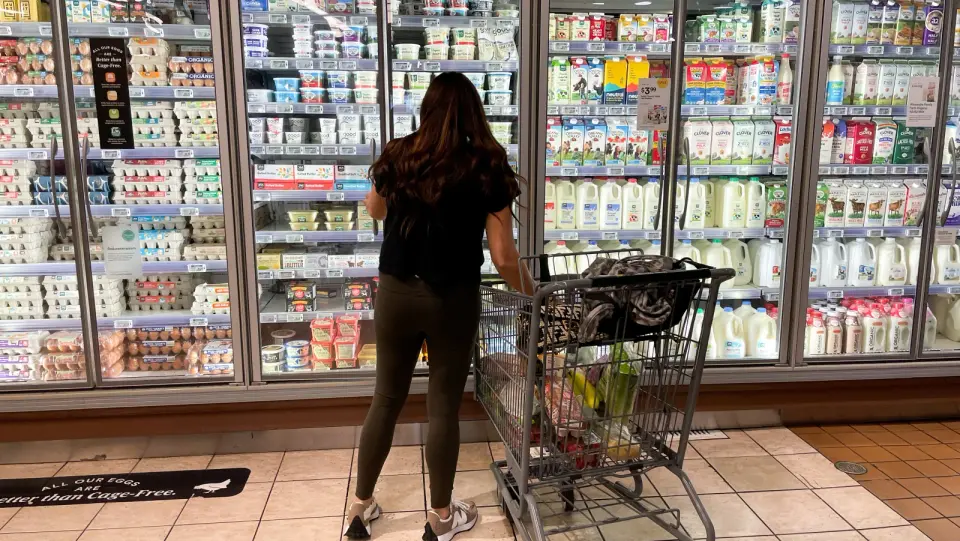
Rising grocery and essential costs are pushing households to rely on credit cards, borrowing from family, and dipping into savings. Surveys show a significant portion of consumers are struggling to pay off these bills, with many blaming politicians and brands for excessive price hikes.
Key points
- 30% of surveyed consumers used credit cards for essentials like groceries in the past three months, knowing they might not pay off the bill.
- 20% borrowed from friends or family, while 18% used buy-now-pay-later services and 17% pulled from savings meant for other purposes.
- 89% of respondents regularly notice 'shrinkflation,' where package sizes decrease while prices remain the same, with 29% viewing this as the most unfair price increase tactic.
- 85% believe brands use inflation as an excuse for larger-than-necessary price increases, and 56% have stopped buying brands they once liked due to higher prices.
- 45% of respondents blame the government more than businesses for rising prices, with many citing tariffs as a major factor.
Background
This trend follows earlier reports of rising health insurance costs in California and debates over city-owned grocery stores in New York, highlighting a broader national struggle with the cost of living. The current situation reflects a cumulative effect where rising prices across the entire grocery cart, not just individual items, are eroding household budgets.
Why it matters
The shift from occasional credit use to routine borrowing for basic necessities signals a deepening financial crisis for many households. As safety nets like savings and emergency funds are depleted, the risk of long-term debt and financial instability increases, potentially affecting economic stability and consumer confidence.
What to watch
Consumers may continue to reduce brand loyalty and seek cheaper alternatives as trust in major brands declines. Policymakers and businesses may face increased pressure to address perceived unfair pricing practices and inflation, while households may further tighten budgets or seek government assistance.
Want the full story? Read the original reporting
Read on USA Today