
Warsh's Jackson Hole Speech: Prediction Markets Bet on Silence Amid Bond Market Turmoil
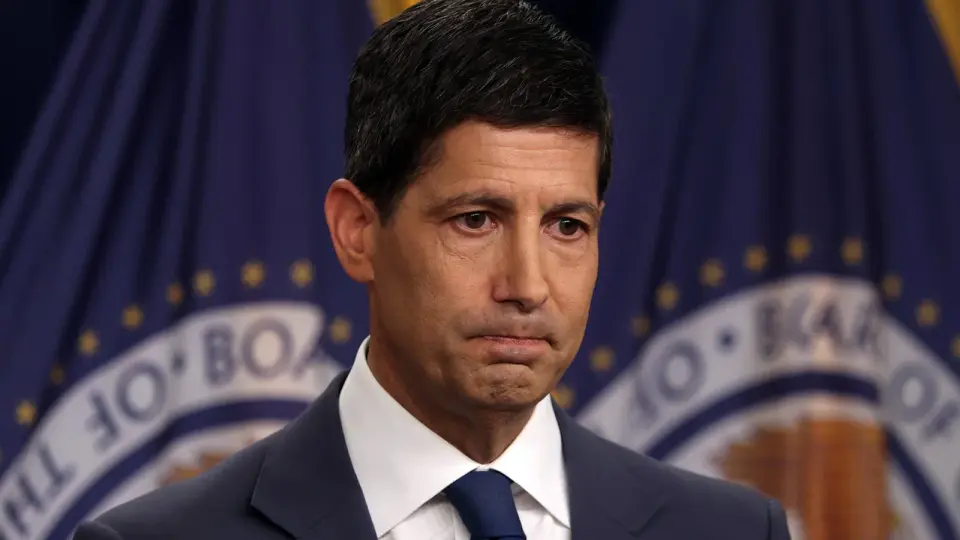
Federal Reserve Chair Kevin Warsh is expected to deliver a vague keynote at the Jackson Hole Symposium, with prediction markets assigning low odds to him discussing bond markets or rate cuts. This silence contrasts with Treasury Secretary Scott Bessent's recent intervention to lower long-term yields, creating a policy conflict between the Fed and the Treasury.
Key points
- Kalshi prediction markets assign only 16% odds that Warsh will mention 'bond market' and 8% odds for 'yield curve' in his speech.
- The 30-year Treasury yield recently surpassed 5.3%, the highest level since June 2007, prompting Treasury Secretary Scott Bessent to double long-term debt buybacks to at least $4 billion.
- A CNBC survey indicates 45% of respondents do not expect Warsh to expand on the rate outlook, while Kalshi shows an 8% chance he will mention a 'rate cut.'
- Warsh's strategy involves reducing forward guidance to allow market signals to guide policy, but critics argue this increases volatility and uncertainty.
- Treasury interventions are viewed by some analysts as 'artificial yield suppression' that conflicts with Warsh's desire for clean market pricing.
Background
Warsh has maintained a pared-back communications strategy since taking office, a shift from the transparency of his predecessor Jerome Powell. This approach has been tested by rising inflation, which has remained above the Fed's 2% target for over five years, and recent geopolitical events including a war with Iran and record stock markets driven by AI investment. Previous coverage noted that markets were bracing for Warsh's speech to provide clarity on policy amid volatile bond yields and dollar fluctuations.
How outlets are covering it
CNBC and Politico emphasize Warsh's reluctance to provide forward guidance, with Politico arguing he may squander an opportunity to build consensus among divided Fed policymakers. CNN highlights the conflict between Warsh's 'hands-off' approach and Bessent's 'hands-on' Treasury interventions, describing them as working at cross purposes. Former Fed officials and economists, such as Eric Rosengren and Jan Hatzius, criticize Warsh's strategy as making markets 'more error-prone' and argue that the Fed cannot simply ignore its role in influencing long-term rates. Conversely, Warsh maintains that markets are learning to focus on real data rather than Fed speak, a view critics call a dangerous misinterpretation of market mechanics.
Why it matters
The lack of clarity from the Fed chair, combined with active Treasury interventions, creates uncertainty for investors and could lead to unnecessary market volatility. If Warsh fails to provide a clear framework at Jackson Hole, it may hinder the Fed's ability to manage inflation and coordinate with the Treasury, potentially affecting mortgage rates, business loans, and government borrowing costs.
What to watch
Warsh is expected to speak at the Jackson Hole Symposium early Friday, where he may reference 'inflation' and 'task forces' but is unlikely to discuss specific rate decisions or bond market interventions. The Fed's next policy meeting is in September, where officials may debate rate hikes or holds, while the Treasury continues its buyback program to manage long-term yields.
- What Warsh will say and how the market will react, according to prediction markets CNBC
- Kevin Warsh has a plan for the Fed. Scott Bessent is getting in the way CNN
- Treasury Yields Rise as Investors Shift Focus to Jackson Hole Bloomberg.com
- Fed's Warsh faces challenge whether inflation is a problem or not Reuters
- Will Kevin Warsh Squander a Huge Opportunity? Politico
Want the full story? Read the original reporting
Read on CNBC