
US Housing Market Hits Record Lows Amid AI-Driven Capital Squeeze and Rate Hikes
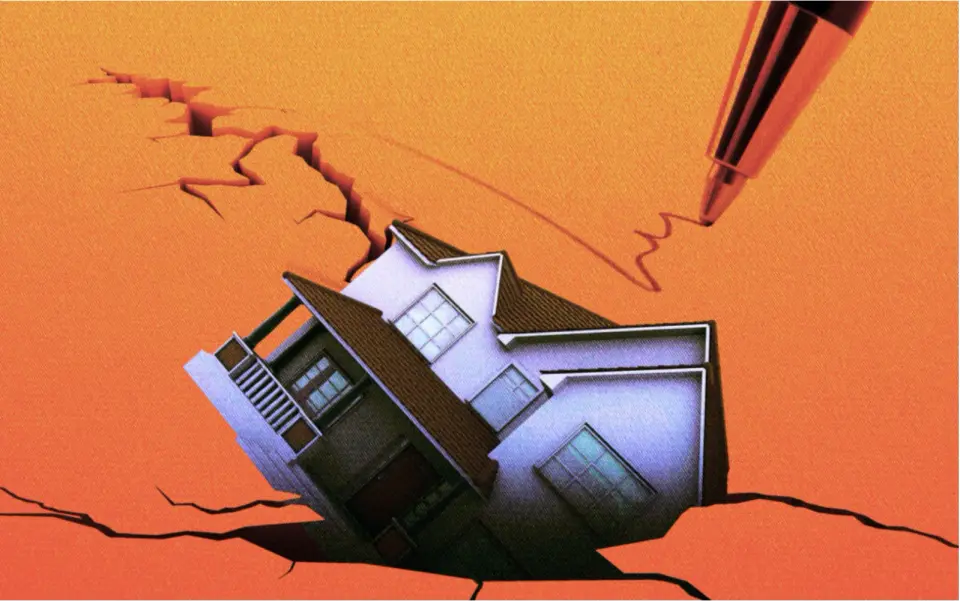
US pending home sales hit an all-time low in September, falling 7.3% to a record 66.0 index level. This collapse coincides with a 5.2% drop in housing starts and the lowest builder sentiment since 2012. The downturn is driven by 30-year mortgage rates averaging 7.4%, which have outpaced Federal Reserve hikes, and a capital squeeze caused by massive AI infrastructure spending. While the Fed may raise rates further to combat inflation, analysts warn that affordability constraints will dominate the housing market through 2027.
Key points
- The National Association of Realtors reported pending home sales fell 7.3% in September, reaching the lowest level since the index began in 2001.
- Housing starts declined 5.2% to 1.22 million, with single-family permits hitting their lowest level since 2023.
- The average 30-year fixed mortgage rate is 7.4%, significantly higher than the Federal Reserve's short-term rate, creating a 'lock-in' effect for existing homeowners.
- Goldman Sachs forecasts residential investment to decline 2.5% in the coming quarter, with existing sales remaining 26% below 2019 levels.
- Homebuilder sentiment reached its lowest point in 14 years, exacerbated by competition for labor and materials from AI data center construction.
Background
This record low follows a sustained decline in housing activity throughout 2026. Previous reports indicated existing home sales hit 12- and 14-month lows in August and September, driven by rising mortgage rates and record-high home prices. Despite inventory reaching multi-year highs, affordability remained strained, with median prices peaking at $429,100 in August. The current collapse represents a sharp acceleration of this downward trend, moving from 'historically weak' to 'record low' performance.
How outlets are covering it
Daily Kos frames the collapse as a failure of political promises, noting that mortgage rates remain at 7.4% despite pledges of 2% rates, and contrasts this with the 'imaginary' economy promoted by the administration. CNBC and Axios emphasize the structural conflict between the Federal Reserve's inflation fight and housing affordability, highlighting that mortgage rates have risen faster than short-term interest rates. Axios uniquely attributes the capital squeeze to the AI boom, noting that hyperscalers are competing with builders for scarce resources and labor. While Daily Kos focuses on political accountability, financial outlets like CNBC and Goldman Sachs focus on the 'lock-in' effect and the likelihood of further rate hikes in December and March 2027, which could deepen the downturn.
Why it matters
The housing market is a critical indicator of broader economic health and consumer confidence. A record low in pending sales signals a potential deep freeze in economic activity, as housing drives significant GDP contributions. The inability of buyers to afford homes and builders to finance projects due to high rates and capital competition threatens to exacerbate inflationary pressures and reduce household wealth. Furthermore, the 'lock-in' effect, where homeowners with lower rates refuse to sell, is suppressing turnover and new construction, creating a persistent supply shortage that may persist through 2027.
What to watch
The Federal Reserve is expected to hold rates steady in the near term but may hike rates in December 2026 and March 2027 to combat inflation. If mortgage rates continue to rise, existing home sales are forecast to drop further. However, some economists suggest that mortgage rates may be topping out, potentially leading to a pause in the decline as buyers and sellers wait for more favorable conditions. The outcome will depend on the balance between inflation control and the economic drag from a frozen housing market.
- Existing home sales collapse to record low Daily Kos
- Housing is flashing warning signs just as the Fed weighs more interest rate hikes CNBC
- US pending home sales tumble to record low in September Yahoo Finance
- Why Americans have stopped buying new homes The Economist
- Homebuilder sentiment is at a 14-year low Axios
Want the full story? Read the original reporting
Read on Daily Kos