
U.S. Tariffs and Sanctions Block Chinese EVs, Russian Diamonds, and Other Global Goods
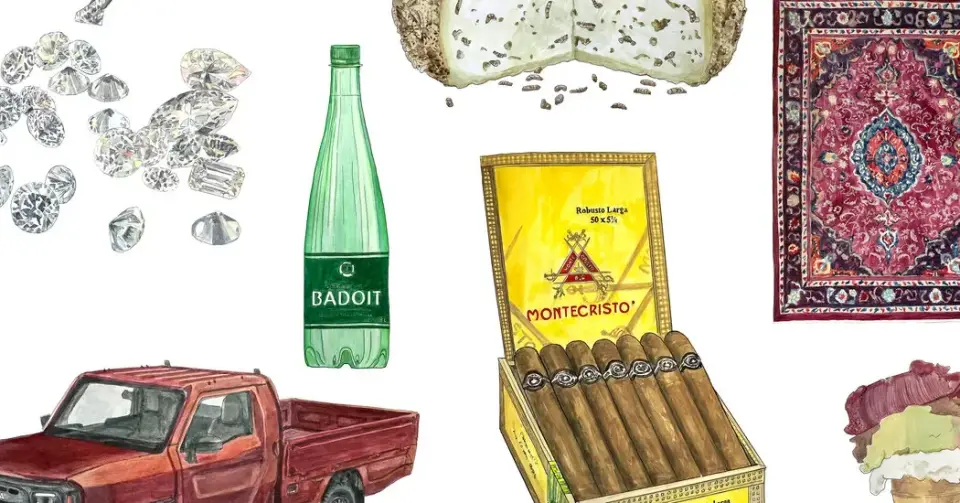
A New York Times guide highlights items unavailable to U.S. shoppers due to high tariffs, geopolitical sanctions, and strict safety regulations. Key exclusions include Chinese electric vehicles, Russian diamonds, and Cuban cigars, while regulatory bans block certain Korean sunscreens and novelty foods.
Key points
- The U.S. imposes a 100% tariff on Chinese-made electric vehicles, blocking brands like the Xiaomi SU7, which also fails to meet Federal Motor Vehicle Safety Standards.
- President Trump banned Canadian-made motorcycles, including the Can-Am Spyder RT Limited, effective September 29, 2026.
- U.S. sanctions prohibit imports of Russian diamonds, Russian vodka, and Cuban cigars, limiting access to goods produced in these countries.
- The FDA has blocked certain South Korean sunscreens containing unapproved UV filters like Tinosorb M and Uvinul A Plus.
- The USDA bans Casu Marzu cheese due to living parasites, and the FDA prohibits Kinder Surprise Eggs due to choking hazards from non-nutritive objects inside food.
- The FCC has banned foreign-made robotic devices weighing over 4.4 pounds, affecting products like the Dreame Aqua 20 Pro Ultra Roller.
Background
This guide reflects broader trends in U.S. trade policy and consumer market dynamics. Recent data shows U.S. EV sales dropped 27% in the first quarter of 2026, partly due to the expiration of the $7,500 EV purchase rebate in September 2025. Meanwhile, Canada and the EU have opened their markets to Chinese EVs, with Canada reducing tariffs to 6.1% in March 2026. The current exclusions highlight the contrast between U.S. protectionist measures and global market access.
Why it matters
These exclusions impact consumer choice, pricing, and market competition. Tariffs and sanctions create barriers that prevent U.S. shoppers from accessing affordable and innovative products, while regulatory bans prioritize safety and national security over consumer preference. The divergence in trade policies between the U.S. and other nations may influence global supply chains and consumer behavior.
What to watch
The U.S. market may see continued restrictions on Chinese EVs and other foreign goods as trade policies evolve. Regulatory bodies like the FDA and USDA will likely maintain strict standards on food and consumer products. Consumers may seek alternative sources or wait for potential changes in trade agreements or regulatory exemptions.
Want the full story? Read the original reporting
Read on The New York Times