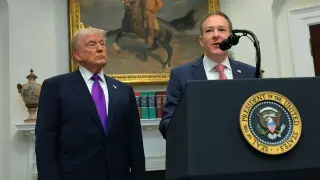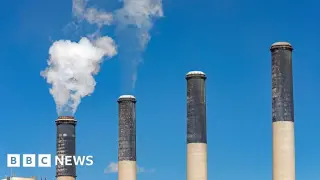
The Interior Department canceled a rule that had designated conservation as a use of public lands, reversing a conservation-first policy and signaling a shift in federal land management under the current administration.
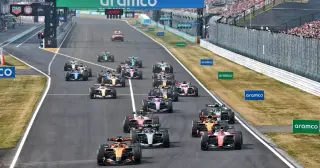
The FIA announced midseason tweaks to the 2026 F1 regulations aimed at reducing qualifying “superclipping” by cutting total energy regen from 8 MJ to 7 MJ and allowing 350 kW harvesting in more parts of the lap, tightening safety by capping boost at +150 kW and limiting MGU-K deployment in certain sections, and testing an automatic start-detection system to prevent slow starts (the race-start change will not be immediate). Most changes take effect at the Miami Grand Prix, with the start-procedure adjustment evaluated for later rollout.
FIA and F1 announced a set of 2026 car regulation tweaks across qualifying, race, wet weather and starts to curb aggressive energy harvesting, balance performance and boost safety. Key changes include lowering energy recharge from 8MJ to 7MJ, raising peak power to 350kW, increasing the number of races with lower energy limits to 12, capping race Boost at +150kW with MGU-K limited to 250kW in most of the lap, higher tyre-blanket temps for intermediates, reduced ERS deployment, simplified rear lights, and a new low-power start detector with automatic MGU-K deployment plus a formation-lap energy reset. These will be tested at the Miami Grand Prix and await World Council approval.
Rising SUV prices and upcoming changes to fuel-economy rules that could reclassify many crossovers as passenger cars are prompting Ford, Nissan, Stellantis and Infiniti to rethink sedans, signaling a potential comeback for traditional cars even as Toyota Camry topped its SUV lineup in Q1 2026.
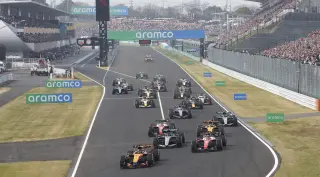
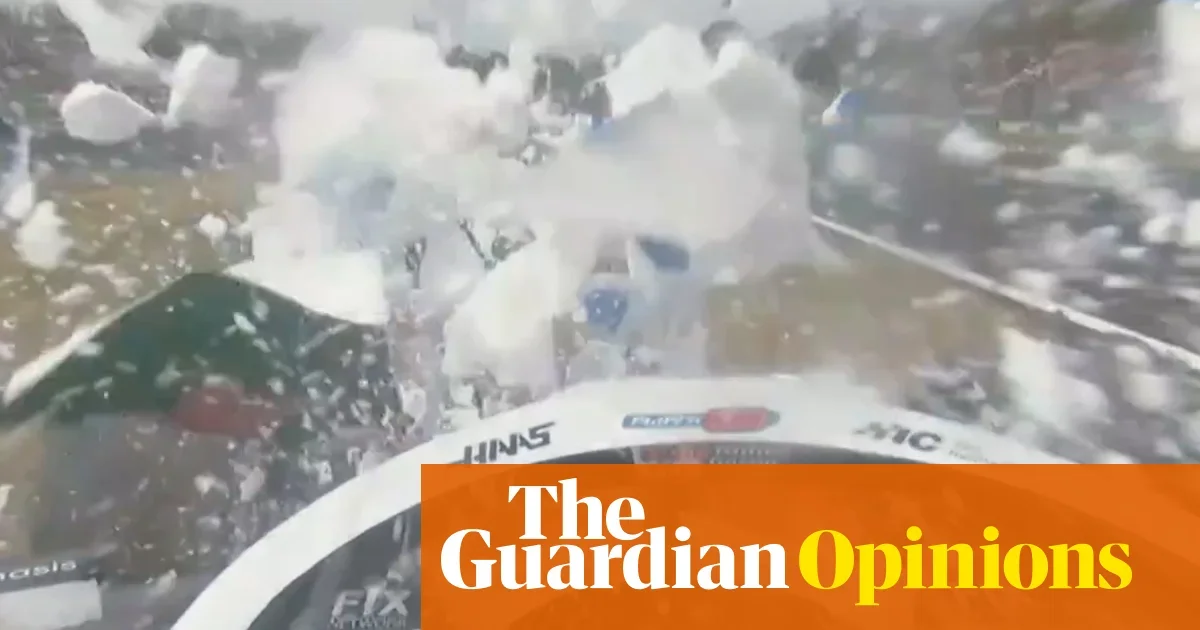
Bearman’s Suzuka crash exposed a complex safety challenge tied to F1’s energy recovery and boost systems, prompting a collaborative review by the FIA, F1, teams and manufacturers with a month to craft fixes, though no simple solution is likely and changes may await next season.
Max Verstappen said he is considering retiring from Formula 1 at the end of 2026, citing a lack of enjoyment due to controversial new regulations and the sport’s direction, even as his lucrative Red Bull contract and earnings place him among F1’s wealthiest; he emphasizes family time and personal happiness over chasing results, potentially leaving the sport as one of its most decorated drivers.
CAF ruled Senegal forfeited the final after players walked off following a stoppage-time Moroccan penalty, and the match result is recorded as 3-0 in favor of Morocco; the original game had Senegal winning 1-0 thanks to an extra-time Gueye goal after Brahim Diaz’s penalty was saved. The FRMF’s appeal prompted the ruling, and Senegal has yet to comment publicly.
Defector’s six-story 2026 preview centers on a sweeping regulations overhaul—active aerodynamics, new power units without an MGU-H, and a heavier emphasis on energy management and a five-second pre-start—creating a season where strategy and driver micromanagement may trump raw speed; Cadillac debuts with Checo Pérez and Valtteri Bottas, Aston Martin battles a reliability crisis, rookies have grown into potential threats, and Ferrari looks strongest in testing, setting them up as favorites though Mercedes, McLaren, and Red Bull remain threats and the winner remains uncertain.
Facing higher electricity bills, Americans are increasingly installing affordable plug-in balcony solar kits as a do-it-yourself energy option; the trend is drawing regulatory attention across about two dozen states, with lawmakers weighing bills to clear interconnection rules and safety standards while utility companies voice concerns.
Ferrari topped Bahrain’s final pre-season F1 2026 test as Aston Martin-Honda suffered another setback, fueling a broader debate over the new regulations and F1’s identity in a greener era; Mercedes’ suspected compression-ratio trick has rivals questioning legality while Red Bull Powertrains shows no step back; Adrian Newey’s role at Aston Martin offers a potential lifeline, and Ferrari’s upgrades (exhaust-mounted wing and rotating aero rear wing) underscore its willingness to push the envelope, with new start procedures already testing how cars launch on the grid.
Punjab lifts the Basant ban, allowing a regulated three-day Basant festival in Lahore for the first time since 2007, with government-registered kite sellers (QR codes), a restricted flying window, and bans on dangerous strings; while crowds celebrate, officials cite safety concerns from past fatalities and impose penalties up to five years’ imprisonment for violators, as other Punjab cities pursue unofficial celebrations.
The Treasury and IRS proposed new regulations to clarify backup withholding requirements for third-party settlement organizations, setting a threshold of over $20,000 in reportable transactions and more than 200 transactions before withholding is required, reflecting changes from the One, Big, Beautiful Bill.
The White House has finalized a plan to roll back regulations under the National Environmental Policy Act, aiming to reduce bureaucratic delays in approving energy and infrastructure projects, amidst ongoing legislative debates on streamlining permitting processes. The move is part of broader efforts to address perceived red tape, though it faces criticism from Democrats and environmental advocates.
The 2026 Formula 1 season promises exciting changes with new regulations, a competitive driver lineup including four champions, a revamped race calendar with a new Madrid Grand Prix, and significant new team entries like Cadillac, Audi, and Ford, along with fresh partnerships and young talent making their debut.
A former aide to the UK Prime Minister criticizes the increasing power of lawyers, activists, and regulators, arguing that it hampers politicians' ability to deliver on promises and suggesting reforms to streamline government processes, amid ongoing political tensions and high-profile cases like that of Egyptian activist Alaa Abd El Fattah.