
US Trade Deficit Hits Record High as Schiff Criticizes Trump Tariffs
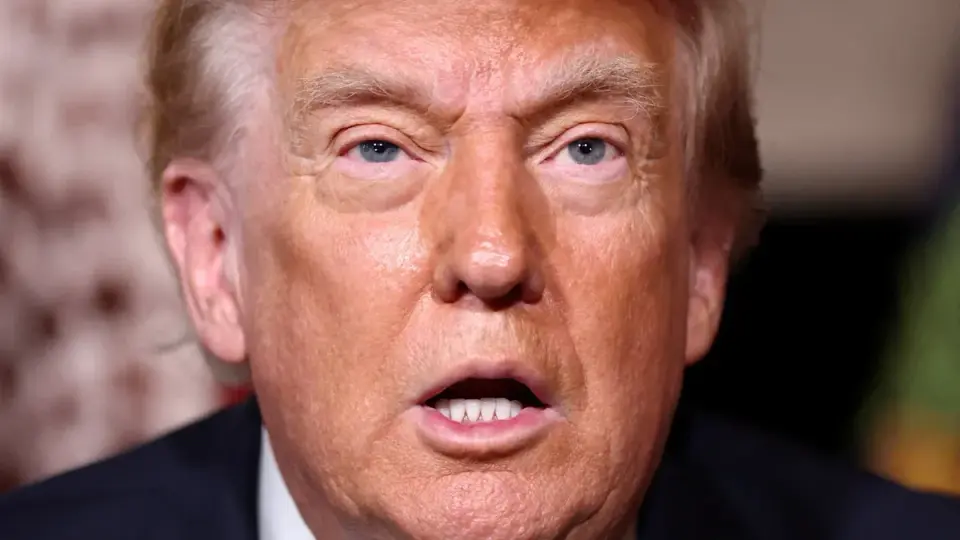
The US goods trade deficit widened to $149.5 billion in October 2026, marking the third-largest monthly deficit in history. Financial commentator Peter Schiff criticized President Trump's tariff policies, calling the president the 'biggest loser of any president' due to the growing gap between imports and exports.
Key points
- The US goods trade deficit expanded 10.7% to $149.5 billion in October 2026, according to the Census Bureau.
- Imports rose to $365.3 billion while exports fell to $215.8 billion, creating a gap more than double the level in October 2025.
- Peter Schiff, chief economist at Euro Pacific Asset Management, labeled Trump the 'biggest loser of any president' on social media.
- The deficit has widened for four consecutive months, climbing from $118.9 billion in July 2026.
- Bloomberg noted the October figure exceeded the median economist estimate of $136 billion.
Background
President Trump has pursued aggressive tariff policies in his second term, claiming they reduce reliance on foreign imports. This follows his first-term trade war with China and previous legal and political pushback against his trade measures. The current deficit contrasts with a 55% drop in April 2026, which Trump previously credited to his tariffs.
How outlets are covering it
Peter Schiff and The Independent emphasize that the widening deficit undermines Trump's claims that tariffs are successful. Bloomberg focuses on the statistical trend, noting the deficit is the widest since March 2025 and exceeded economist expectations. Schiff's critique is part of a broader public clash with Trump, who has previously called Schiff a 'Trump-hating loser.'
Why it matters
The record trade deficit signals potential failure of the administration's central economic strategy, which relies on tariffs to boost domestic manufacturing and reduce import dependence. A widening gap suggests that tariffs may be increasing costs without significantly reducing the volume of imported goods.
What to watch
The Trump administration is proposing new tariffs of up to 35% on China, the European Union, and 12 other partners following a Supreme Court ruling that struck down earlier measures. Future trade data will be critical in assessing the long-term impact of these new policies.
- Top Economist Says Trump’s ‘the Biggest Loser of Any President’ Yahoo Finance
- World in Brief: America’s trade deficit widens; a potential Pentagon hack The Economist
- US goods trade deficit deteriorates further as AI helps to lift imports to record high Reuters
- Financial commentator blasts Trump as American trade deficit widens The Independent
- US Goods-Trade Deficit Widens for Fourth Straight Month Bloomberg
Want the full story? Read the original reporting
Read on Yahoo Finance