
Warsh Rejects Forward Guidance, Signals Potential Rate Hikes if Inflation Persists
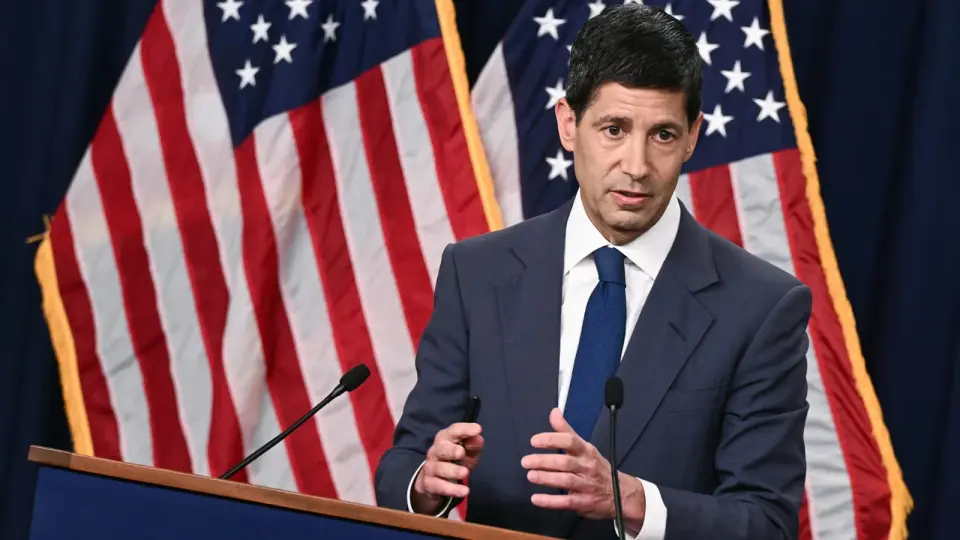
Federal Reserve Chair Kevin Warsh used his Jackson Hole speech to reject forward guidance and reaction functions, prioritizing inflation control without committing to specific rate paths. Markets reacted by pricing in a higher probability of a September rate hike, while Warsh emphasized a 'quieter' communication strategy to reduce market dependence on Fed rhetoric.
Key points
- Warsh avoided committing to forward guidance or a reaction function, stating the Fed should not indulge a regime where markets look primarily to the Fed for trade cues.
- He acknowledged that while summer inflation readings were better than expected, underlying trends have not meaningfully improved, warning that 'we have work to do' if price pressures do not ease.
- Treasury yields moved substantially higher after the speech, and traders raised the probability of a September rate hike to 45.7%, up from roughly 35% the previous day.
- Warsh highlighted the benefits of artificial intelligence and strong consumer spending but noted a slowdown in hiring due to flattening labor supply.
- He initiated five task forces to improve Fed functions and advocated for a 'quieter Fed' that is more purposeful in its communications, moving away from hand-holding markets.
Background
Warsh’s approach marks a significant shift from his predecessor, Jerome Powell, who used Jackson Hole to signal rate cuts in 2025. Warsh, who took office in May 2026, has previously faced criticism for being cagey about policy during a period of elevated inflation. Earlier archive coverage noted that investors were hoping for clarity on the Fed’s strategy and preferred inflation yardsticks, but prediction markets had already assigned low odds to Warsh providing specific policy hints or mentioning the bond market, anticipating a focus on inflation and task forces instead.
How outlets are covering it
CNBC emphasizes Warsh’s refusal to provide a reaction function, noting that while he acknowledged inflation concerns, he sidestepped specific signals on rate adjustments. The New York Times frames the speech as an effort to calm concerns about the Fed’s grip on inflation, highlighting Warsh’s assurance that the central bank is committed to tackling price pressures without revealing whether higher rates are immediately required. Both outlets agree on the lack of forward guidance but differ in emphasis: CNBC focuses on the market’s reaction and the shift in rate hike probabilities, while the NYT focuses on the broader reassurance of the Fed’s commitment to its mandate.
Why it matters
Warsh’s rejection of forward guidance and reaction functions signals a fundamental shift in how the Federal Reserve communicates with markets, potentially increasing volatility as investors must interpret data rather than Fed rhetoric. The market’s reaction, with a significant jump in rate hike expectations, indicates that investors are pricing in a more hawkish stance if inflation does not improve, which could impact borrowing costs and economic growth.
What to watch
Investors will closely watch upcoming inflation data and Fed communications for any signs of a shift in policy. The September policy meeting will be critical to see if the Fed acts on Warsh’s warnings about underlying inflation trends. Additionally, the progress of the five task forces initiated by Warsh may provide further insights into the Fed’s evolving framework and communication strategy.
- Fed Chairman Warsh expresses concern about inflation advocates for 'quieter' central bank: Watch live CNBC
- Fed Chairman Seeks to Calm Concerns About Elevated Inflation The New York Times
- Live: Fed Chair Kevin Warsh to deliver debut Jackson Hole speech as inflation fears rise Reuters
- Stock Market Today: Fed Chair Warsh to Speak at Jackson Hole; Dow Futures Steady — Live Updates WSJ
- Warsh Says Inflation Isn’t Slowing, Vows to Hit Fed’s 2% Target Bloomberg.com
Want the full story? Read the original reporting
Read on CNBC