
Warsh Reaffirms 2% Inflation Target, Hinting at Rate Hikes Amid Strong Economy
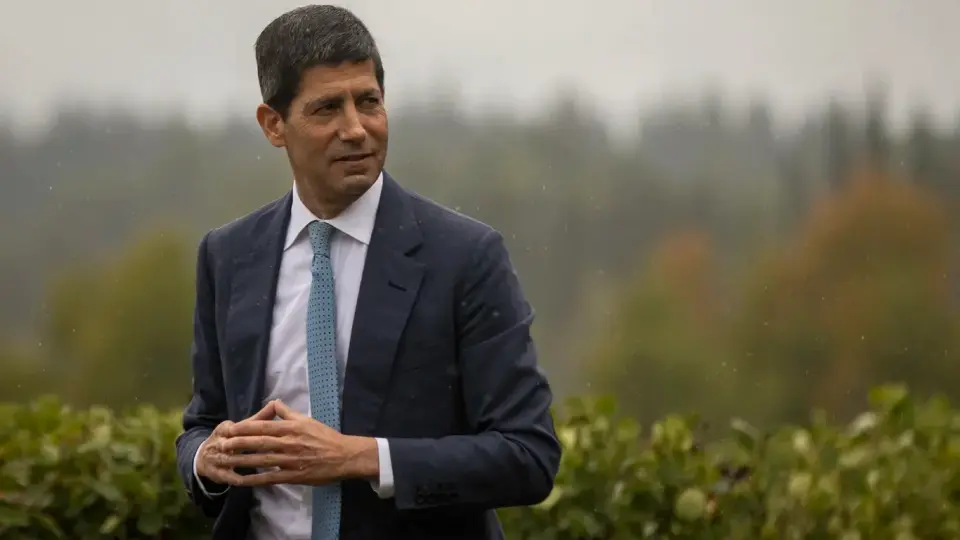
Federal Reserve Chair Kevin Warsh returned to traditional central banking rhetoric at the Jackson Hole symposium, affirming the Fed's commitment to a 2% inflation target and signaling that interest rate hikes may be necessary if inflation does not cool sufficiently. While acknowledging recent improvements in inflation data, Warsh noted that underlying trends remain stubborn and financial conditions are not yet restrictive, given buoyant corporate profits and lending activity. This shift from his earlier vague remarks aims to restore confidence among markets and colleagues, though it risks political friction with the administration that appointed him.
Key points
- Warsh explicitly reaffirmed the Fed's 'firm, fixed target' of 2% inflation, moving away from the ambiguous language used in late July that unsettled bond markets.
- He described the current job market as strong and financial conditions as 'a little frothy,' citing robust capital spending, corporate profits, and lending activity as evidence that policy is not yet restrictive.
- While recent inflation readings were better than expected, Warsh stated they do not indicate a meaningful improvement in underlying trends, suggesting the Fed may need to raise rates to ensure inflation moves toward the target at sufficient speed.
- Warsh acknowledged the potential impact of AI and other innovations on the economy but emphasized that policy must be set based on the current reality of the U.S. economy in 2026, rather than future projections.
- The speech was a response to skepticism from Fed colleagues and outside commentators following his July press conference, where he appeared dismissive of standard economic data analysis.
Background
This development follows Warsh's earlier Jackson Hole appearances in August 2026, where he faced criticism for avoiding forward guidance and offering vague ruminations on policy. Previous coverage noted that his initial stance led to market volatility and skepticism regarding his commitment to traditional central banking metrics. The current speech represents a pivot toward clearer communication, aiming to address concerns about Fed independence and the need for data-driven policy decisions amidst political pressures.
Why it matters
Warsh's return to conventional central banking language is critical for stabilizing market expectations and reinforcing the Federal Reserve's independence. By signaling a willingness to raise rates if inflation remains stubborn, he aims to prevent the 'frothy' financial conditions from escalating into broader economic instability. However, this stance may create tension with the administration that appointed him, as rate hikes could increase borrowing costs for Americans and contradict the president's preference for rate cuts. The clarity in his communication is essential for reducing market overreliance on policymakers' words and ensuring that policy decisions are based on economic data rather than political influence.
What to watch
The Federal Reserve will likely monitor upcoming CPI and wholesale price data ahead of the September meeting to determine the path for interest rates. Warsh's emphasis on 'clear and sufficient speed' in inflation reduction suggests that any decision to raise rates will depend on whether underlying trends show meaningful improvement. Market participants will watch for further signals from Warsh on the timing and magnitude of potential rate adjustments, as well as the impact of AI-driven economic changes on traditional policy frameworks.
- Why Fed chief Kevin Warsh turned to Central Banking 101 Axios
- Markets Brace for Possible Rate Hike After Kevin Warsh’s Hawkish Turn WSJ
- Key Takeaways From the Fed’s Annual Jackson Hole Conference Bloomberg.com
- Investors Expect Higher Rates After Fed Chairman’s Inflation Pledge The New York Times
- Kevin Warsh tries being a normal central banker The Economist
Want the full story? Read the original reporting
Read on Axios