
Warsh’s Fed pivot hinges on market signals, not traditional rate frameworks
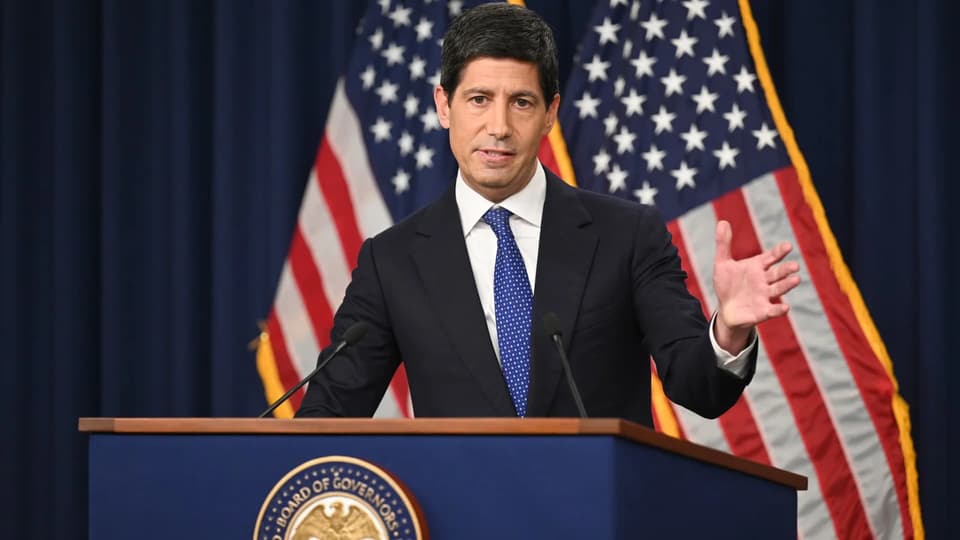
Federal Reserve Chair Kevin Warsh is implementing a new monetary policy regime that prioritizes broad financial conditions over traditional neutral rate frameworks. While he has quickly adjusted communication styles and secured a unanimous rate hike, his efforts to shrink the Fed’s balance sheet are stalled by high inflation and internal resistance. Market indicators suggest further rate increases are likely if credit remains loose.
Key points
- Warsh has dismissed the concept of a 'neutral' interest rate, instead focusing on a wide array of financial indicators like credit spreads and asset prices to determine policy.
- The Fed’s balance sheet remains at $6.7 trillion; Warsh’s long-standing goal to reduce it is delayed because other FOMC members prefer to wait for task force reports and because current inflation is too high.
- Inflation, measured by the PCE indicator, stood at 3.7% in July, remaining above the 2% target for over five and a half years, complicating Warsh’s ability to tighten policy.
- The 2-year Treasury yield traded nearly a full percentage point above the federal funds rate, the largest spread since 2023, signaling strong market expectations for additional rate hikes.
- Warsh has appointed five task forces to review Fed practices, with reports expected early next year, slowing the pace of structural reforms compared to his initial promises.
Background
Warsh’s leadership follows a period of intense debate over central bank independence, particularly after President Trump publicly supported the recent rate hike while simultaneously criticizing the decision. Previous coverage highlighted tensions between the Treasury’s attempts to lower long-term borrowing costs and the Fed’s mandate, as well as market speculation regarding Warsh’s potential influence on policy direction.
How outlets are covering it
CNBC emphasizes that Warsh’s new regime is a sharp break from predecessors, noting that his focus on financial conditions may appear circular but suggests scope for further hikes. The Financial Times highlights a critical tension: Warsh’s reliance on broad financial conditions indices, which are heavily influenced by stock market performance, could force him to engineer a market correction to achieve policy goals. However, the FT notes that if Warsh focuses narrowly on credit conditions, as suggested by Evercore ISI, he may not need to trigger a stock market fall to achieve his objectives. Both sources agree that Warsh is moving faster on communication changes than on substantive policy shifts like balance sheet reduction.
Why it matters
The shift away from traditional neutral rate frameworks could introduce greater volatility into financial markets, as policy decisions become more dependent on complex and sometimes contradictory market signals. The delay in reducing the Fed’s balance sheet means the economy continues to operate with significant monetary accommodation, potentially prolonging inflationary pressures and keeping long-term borrowing costs elevated for consumers and businesses.
What to watch
Investors should watch for the October FOMC meeting, where a 70% probability of another rate hike is priced in. The outcome of the five task forces, reporting early next year, will determine the pace of reforms to Fed practices. Additionally, the trajectory of commodity prices, particularly diesel, which has risen 83% this year, will be a key factor in whether Warsh supports further rate increases.
- Warsh's regime change at the Fed pushes ahead – and meets resistance CNBC
- Can Warsh tighten financial conditions without engineering a stock market fall? ft.com
- Warsh’s credibility rises on Wall Street as Bessent’s slips The Hill
- Kevin Warsh Fed reform: rate hike done, balance sheet cuts stalled qz.com
- What’s Ahead for the Warsh Fed? American Enterprise Institute - AEI
Want the full story? Read the original reporting
Read on CNBC