Veteran strategist Jim Paulsen predicts the typical November-to-April stock market rally may fail this year due to tightening financial conditions, according to MarketWatch.
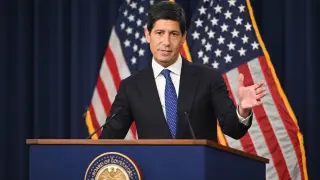
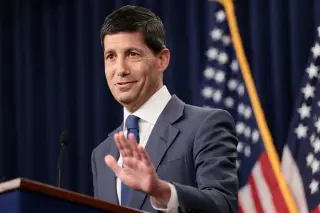
Federal Reserve Chair Kevin Warsh is implementing a new monetary policy regime that prioritizes broad financial conditions over traditional neutral rate frameworks. While he has quickly adjusted communication styles and secured a unanimous rate hike, his efforts to shrink the Fed’s balance sheet are stalled by high inflation and internal resistance. Market indicators suggest further rate increases are likely if credit remains loose.
Markets have reversed the earlier tightening narrative tied to Fed chair Kevin Warsh, with Wall Street signaling ease even though policy stayed unchanged. Bloomberg’s financial-conditions gauge rose to its loosest level since 1996, while the S&P 500 gained about 7% since July 29, the VIX fell to year-lows, and junk-bond borrowing costs eased—even as long-term yields rose. The backdrop suggests rising risk appetite on Wall Street, potentially complicating Warsh’s task of cooling the economy if such conditions persist.
The recent 4.6% pullback in the S&P 500 is not due to geopolitical tension but rather reflects changing expectations around monetary policy. Atypical flight-to-safety characteristics are observed in rates, the dollar, yen, and oil. Tightening financial conditions indicate a correction of the market's previous errors, with the Fed signaling fewer rate cuts in 2024. The market's rally was driven by easing financial conditions and multiple expansion, not improved earnings outlook, and as conditions tighten, the PE ratio of the S&P 500 is expected to contract. This correction may signify the beginning of a more significant downturn as the market corrects its previous mistakes.
The US dollar is expected to strengthen against the euro and other major currency pairs due to diverging paths between the Fed and ECB, leading to tighter financial conditions and impacting multinational companies' earnings. Widening spreads between central banks and rising interest rates could drive the euro lower and affect other currency pairs. This may result in a contraction of the S&P 500's PE ratio and impact equity valuations, potentially leading to a much lower path for the index.
The March CPI report is expected to show another increase in inflation, with analysts predicting a rise in both headline and core CPI. The market is not expecting any surprises and anticipates an in-line number. Rising inflation expectations have led to a reevaluation of rate cut projections, with fewer rate cuts now being priced in. This could lead to a stronger dollar and better financial conditions, as the market adjusts Treasury yield curve rates in response to the hot inflation reading.
The stock market is facing potential headwinds as financial conditions tighten and liquidity is drained from the system, leading to a possible contraction in S&P 500 multiples. Rising Treasury rates and widening credit spreads may result in the S&P 500 falling within a range of 3,800 to 4,100 over the coming year. The unwinding of the Bank Term Funding Program and quantitative tightening by the Fed are contributing to the decline in reserve balances and liquidity. As financial conditions tighten, equity valuations may decrease, impacting stock prices.
Atlanta Fed President Raphael Bostic warns of a "new upside risk" in the form of "pent-up exuberance," where businesses, eager to capitalize on potential interest rate cuts, could unleash a surge in hiring and investment, leading to upward pressure on prices and reigniting inflation. This phenomenon has already been observed, with financial conditions loosening and employment surging. Bostic cautions that the fight against inflation is not over, and the Fed's rate-cut mania may have inadvertently exacerbated the situation, making the inflation fight harder and longer.
The Federal Reserve Bank of New York's January 2024 Survey of Consumer Expectations reveals improved perceptions and expectations of financial conditions and credit availability among households, with unchanged inflation expectations, mixed labor market expectations, and increased optimism about future credit access. Median expected household income growth and perceptions of credit access have increased, while the mean perceived probability of job loss has decreased. The survey also indicates improved perceptions about households' current financial situations and expectations for the future.
Federal Reserve Governor Waller gave a speech discussing the economic outlook, noting that economic activity has moderated, unemployment remains low, and inflation is close to the 2 percent target. He expressed confidence in the economy's trajectory but emphasized the need for cautious policy changes. Waller suggested that the Federal Open Market Committee may consider cutting the policy rate in 2024, depending on sustained progress in inflation and labor market conditions. He also highlighted the importance of data analysis in informing policy decisions and stressed the need for methodical and careful rate adjustments when the time is right.
The upcoming Federal Reserve meeting will address the possibility of rate cuts and the extent of rate cuts in 2024. While investors are already pricing in rate cuts for next year, the Fed may provide a surprise by raising its estimate of the long-term neutral interest rate, potentially impacting the 10-year Treasury yield. The Fed wants to avoid excessive easing of financial conditions and a potential stock market rally, which could lead to a sharper economic slowdown.
As the Federal Reserve prepares to meet, some are advocating for "adjustment cuts" to offset the decline in inflation. However, the article argues that financial conditions are already loosening, making such cuts unnecessary and potentially risky.
The recent rally in the stock market has led to looser financial conditions in the U.S., erasing two months of Federal Reserve tightening. The drop in 10-year Treasury yields and surge in equity prices have reversed the tightening in conditions seen since September. This puts the Fed in a difficult spot ahead of its upcoming policy meeting, as it aims to keep credit restrictive until inflation is under control. The Fed is not expected to raise rates next week but may choose to keep rates high for longer, potentially delaying the first rate cut until September 2024.
Tom Lee, head of research at Fundstrat, has given the highest 2024 forecast for the S&P 500 yet, projecting the benchmark index to reach 5,200 by the end of the year. Lee believes that falling inflation and easing financial conditions will support the US economy and prevent a recession. His target surpasses other strategists' predictions and is based on market breadth, with a focus on small caps, financials, and real estate. Lee remains bullish on the tech sector and expects it to outperform the broader market. He also sees potential for further rate cuts from the Federal Reserve, which could benefit small caps, financials, and real estate. The risk of a recession is not seen as a major threat, as it could lead to more rate cuts by the Fed.
Financial conditions eased at the fastest pace in four decades in November, raising concerns about the Federal Reserve's ability to cut interest rates as quickly as expected. The easing was driven by soaring stocks, falling Treasury yields, sliding crude-oil prices, a weaker U.S. dollar, and tighter credit spreads. While historically easing financial conditions have been positive for markets, some worry that if conditions continue to ease, it could lead to higher inflation. The Fed has not shown concern about the recent easing, but if conditions ease too much, they could push back against expectations for rate cuts, causing yields to rise, stocks to fall, and the U.S. dollar to strengthen.