
Warsh Rejects Forward Guidance but Signals Rate Hike Risk at Jackson Hole
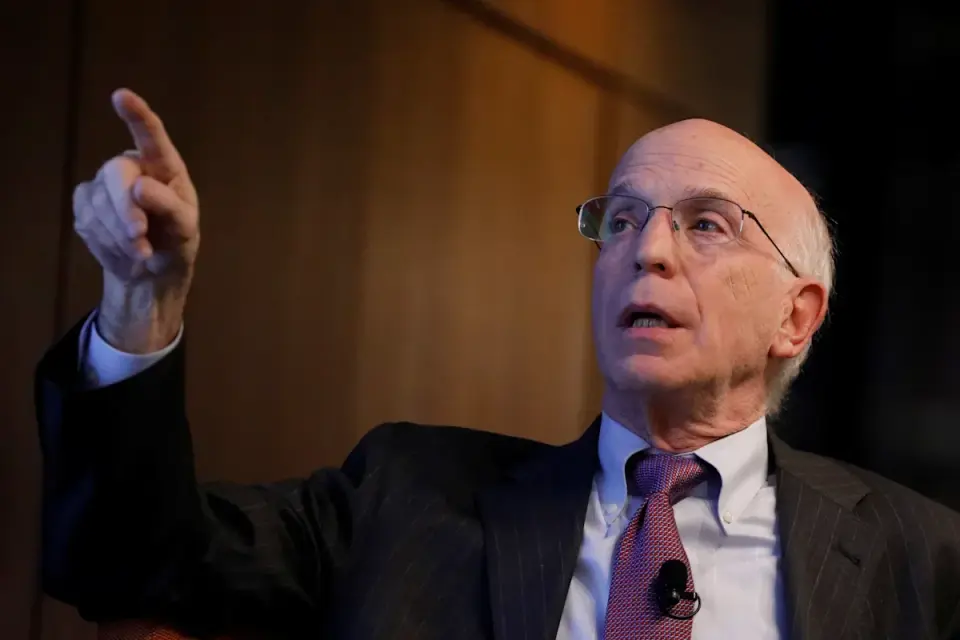
Fed Chair Kevin Warsh delivered a speech at the Jackson Hole symposium that explicitly rejected forward guidance but signaled a potential interest rate hike in September if inflation does not improve. While Warsh emphasized a 'quieter' communication style, markets interpreted his stance on inflation as hawkish, shifting expectations for a rate increase from December to September. The speech highlighted a tension between the Fed's desire for market-driven signals and Treasury Secretary Scott Bessent's recent interventions in bond markets.
Key points
- Warsh stated he would not provide forward guidance or a specific reaction function, calling the former 'overstayed its welcome.'
- He acknowledged that summer inflation readings were better than expected but did not indicate underlying trends have improved.
- Treasury yields rose significantly after the speech, with traders increasing the probability of a September rate hike to 45.7%.
- Warsh emphasized that interest rates, not balance sheet adjustments, are the primary tool for addressing inflation.
- The speech marked Warsh's 100th day as Fed Chair and outlined a philosophy of 'framework guidance' rather than specific rate promises.
Background
Warsh took office in May 2026 and has faced criticism for his opaque communication style. Previous archive reports noted that markets were unsettled by his lack of clarity on inflation targets and potential rate moves. His July testimony indicated a commitment to returning inflation to 2% but lacked specific mechanisms, leading to ongoing uncertainty ahead of the Jackson Hole event.
How outlets are covering it
CNBC reported that Warsh's speech was a broad look at governance rather than a policy commitment, noting that he avoided defining a reaction function. The Financial Times, through economist Torsten Slok, argued that while Warsh rejected forward guidance, he provided crucial framework clarity by prioritizing interest rates over balance sheet tools. Both outlets noted that markets interpreted his inflation concerns as a signal for an earlier rate hike. CNBC highlighted the conflict between Warsh's desire for unfiltered market signals and Treasury Secretary Bessent's recent interventions to lower bond yields, a tension Warsh did not address in his remarks.
Why it matters
The shift in market expectations from a December to a September rate hike indicates that Warsh's ambiguous communication is being interpreted as a hawkish stance on inflation. This could impact borrowing costs, asset prices, and global monetary policy expectations, as the Fed's dual mandate of low inflation and full employment faces a test in a high-inflation environment.
What to watch
Markets will now watch for concrete actions at the September Federal Open Market Committee meeting to see if Warsh's words translate into a rate hike. The tension between the Fed and the Treasury over bond market interventions may also influence future policy coordination and market stability.
- Warsh offered forward guidance after all, former Fed vice chair says Yahoo Finance
- Fed Chairman Warsh expresses concern about inflation, advocates for 'quieter' central bank CNBC
- Transcript: Kevin Warsh spoke — what did we learn? With Torsten Slok Financial Times
- Markets Brace for Possible Rate Hike After Kevin Warsh’s Hawkish Turn WSJ
- Investors Expect Higher Rates After Fed Chairman’s Inflation Pledge The New York Times
Want the full story? Read the original reporting
Read on Yahoo Finance