
Honda Warns 50% Tariffs Would Be Catastrophic as US-Canada Auto Talks Resume
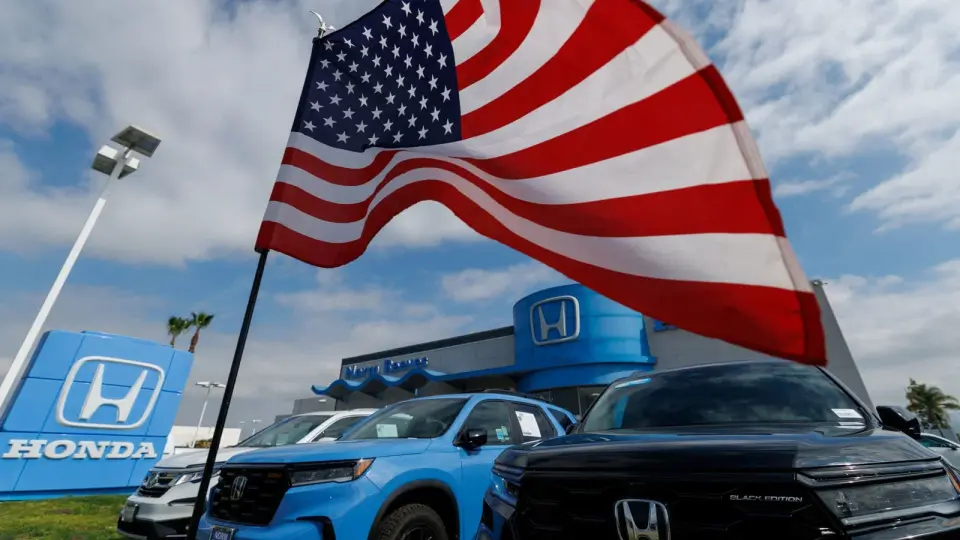
Honda executive Jennifer Thomas warned that doubling U.S. tariffs on Canadian vehicles to 50% on Jan. 1 would be catastrophic for the auto industry. She urged a trilateral deal with Mexico to preserve the USMCA framework, while Canadian sources indicate automakers are pushing Ottawa to accept a deal despite disputes over heavy-duty vehicle rates.
Key points
- Jennifer Thomas, senior VP at American Honda, stated that a 50% tariff increase on Canadian goods would devastate the sector.
- Trump threatened to double current 25% tariffs to 50% on Jan. 1 if no trade deal is reached.
- Thomas advocated for a trilateral agreement including Mexico, similar to the USMCA, rather than bilateral deals.
- Canadian trade sources report automakers are urging the government to prioritize a deal over hardline opposition to higher rates on heavy-duty vehicles like the Ford F-350.
- Negotiations stalled in August after the U.S. refused to apply lower 15% tariffs to heavy-duty vehicles, but talks have since resumed.
Background
This dispute follows the U.S. decision not to automatically extend the USMCA, moving it to an annual review. Earlier in 2026, tensions escalated when Trump threatened EU tariffs if Canada gained associate status, and Chinese automakers expanded in Europe as U.S. trade policies shifted. The current standoff highlights ongoing friction in North American supply chains, where parts frequently cross borders, and contrasts with recent U.S. trade deals with Japan and South Korea that include 15% vehicle tariffs.
How outlets are covering it
CNBC highlights Honda’s warning that 50% tariffs would be catastrophic and emphasizes the industry’s push for a trilateral framework to maintain competitiveness. iPolitics focuses on the internal Canadian debate, noting that while some fear locking in unfavorable rates, others argue that failing to reach a deal risks even higher levies. Both sources agree that negotiations have resumed after stalling in August, but differ on the emphasis: CNBC stresses the structural need for USMCA, while iPolitics details the specific dispute over heavy-duty vehicle tariffs that previously derailed talks.
Why it matters
The potential doubling of tariffs threatens to disrupt integrated North American supply chains, where over 60% of Honda’s U.S. sales are domestically produced but rely on cross-border parts. A failure to reach a deal could permanently sever relationships with American buyers and disadvantage North American manufacturers compared to competitors in Japan and South Korea, who face lower 15% tariffs.
What to watch
U.S. and Canadian negotiators are currently engaged in substantive talks to avoid the Jan. 1 deadline. The outcome will determine whether tariffs remain at 25%, drop to 15%, or rise to 50%. Canadian officials must decide whether to accept a deal with elevated rates on heavy-duty vehicles or risk higher levies if no agreement is reached.
- Honda warns 50% Canada auto tariffs would be catastrophic for auto industry CNBC
- Auto sector urging Canada not to make heavy duty tariffs a deal breaker, say sources iPolitics
- Column: Trump tariffs not working according to actual data Automotive News
- How US Tariffs Harm America’s Auto Industry The National Interest
- Why sales of vehicles made in the U.S. have hit a new low in Canada Detroit Free Press
Want the full story? Read the original reporting
Read on CNBC