
Legal causation isn’t scientific proof: Roundup ruling underscores the law–science divide
TL;DR
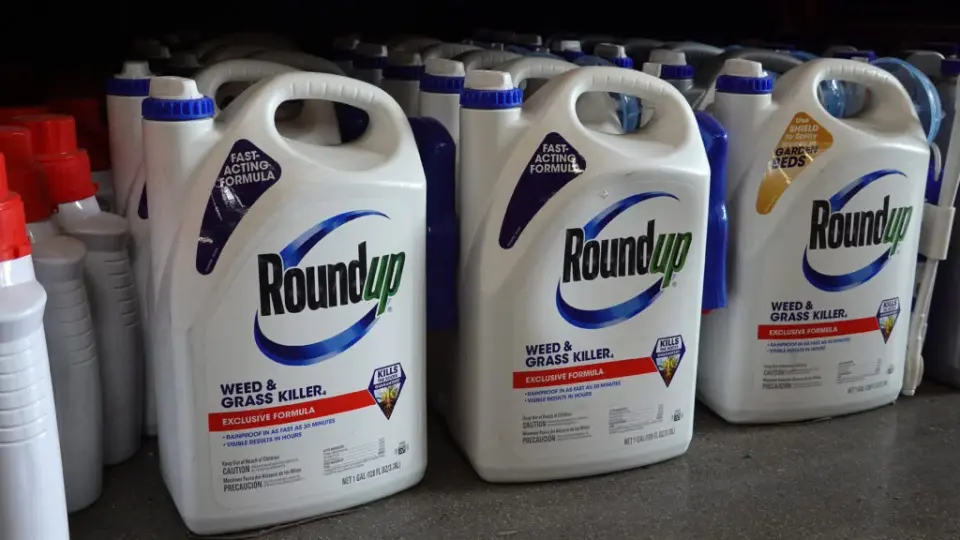
Supreme Court’s Monsanto v. Durnell ruling concerns federal pesticide labeling preemption, not whether glyphosate causes cancer. The piece argues that legal causation and scientific causation answer different questions, urging clearer categorization of causal questions in court and reporting, and highlighting Roundup, talc, asbestos, and social-media cases to show how legal outcomes can be misinterpreted as scientific proof.
- Supreme Court ruling on Roundup points to a confusing difference between the law and science statnews.com
- Supreme Court Rejects Lawsuit Against Bayer Alleging Roundup Weedkiller Caused Cancer The New York Times
- Supreme Court backs Monsanto in its fight against liability from popular weed killer NPR
- Court's pesticide ruling raises stakes in Iowa governor race Axios
- Supreme Court limits Roundup cancer suits against Bayer's Monsanto CNBC
Want the full story? Read the original reporting
Read on statnews.com