
U.S. Sanctions Iranian Bitcoin Exchange BitBank for Funding Strait of Hormuz Toll Scheme
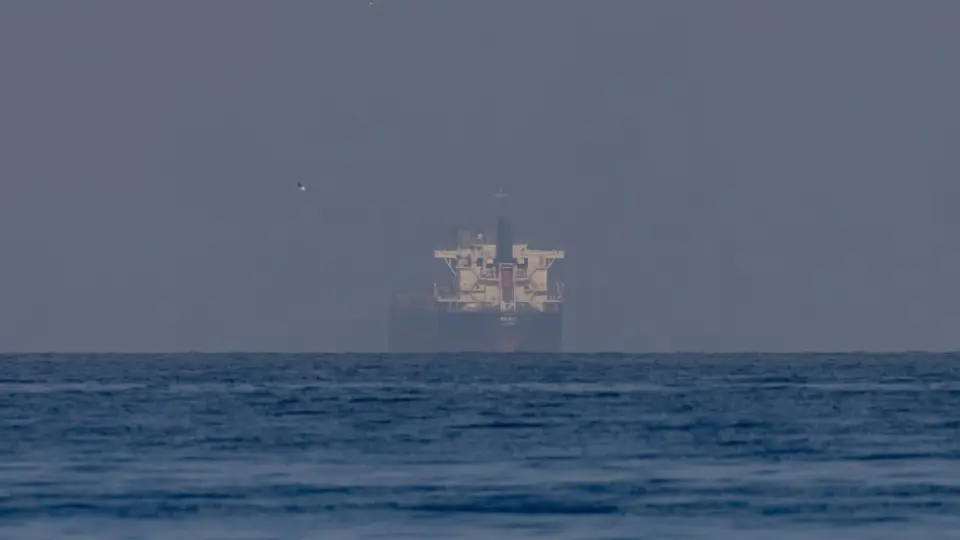
The U.S. Treasury has sanctioned BitBank, a Tehran-based cryptocurrency exchange, and its software developer, Pishtaz Simorgh Electronic Trade Company, for facilitating the movement of hundreds of millions of dollars in bitcoin to Iran’s Islamic Revolutionary Guard Corps. The Office of Foreign Assets Control (OFAC) alleges that BitBank processed fees collected by the Hormuz Safe Marine Services Authority, which charges tankers between $1 million and $2 million for 'safe passage' through the Strait of Hormuz. This action, part of Operation Economic Outcast, freezes assets under U.S. jurisdiction and threatens secondary sanctions against foreign institutions that process BitBank transactions. Treasury Secretary Scott Bessent stated that these designations demonstrate that cryptocurrency financing of the Iranian regime is within OFAC’s reach. Notably, the sanctions did not include specific wallet addresses, unlike previous crypto designations.
Key points
- U.S. Treasury designated BitBank and Pishtaz Simorgh Electronic Trade Company under Operation Economic Outcast.
- BitBank allegedly moved hundreds of millions of dollars in bitcoin to the Islamic Revolutionary Guard Corps.
- Hormuz Safe Marine Services Authority used BitBank to process fees from tankers paying $1–2 million for passage.
- Secondary sanctions threaten foreign institutions that process BitBank transactions with exclusion from the U.S. financial system.
- The designation did not include specific cryptocurrency wallet addresses, limiting immediate compliance screening impact.
Background
This development follows earlier tensions in the Strait of Hormuz, where Iran has linked the reopening of the strait to broader regional peace deals and sanctions relief. Previous reports indicated that Iran had begun using bitcoin and other digital assets to bypass sanctions, with the U.S. Treasury freezing crypto assets linked to the Iranian regime in July. The current sanctions target the infrastructure used to monetize the strait’s transit fees, reflecting a shift from freezing stablecoins to targeting decentralized bitcoin flows.
How outlets are covering it
CoinDesk emphasizes the strategic impact of secondary sanctions on foreign institutions, noting that the lack of wallet addresses limits immediate compliance screening but threatens dollar access for offshore venues. Bitcoin Magazine highlights the broader context of Operation Economic Outcast and the U.S. effort to target Iran’s use of bitcoin to evade sanctions, contrasting it with the freezeable nature of stablecoins like Tether. Both outlets agree on the core facts but differ in emphasis: CoinDesk focuses on the financial system implications, while Bitcoin Magazine frames it as part of a wider campaign against Iranian crypto adoption.
Why it matters
The sanctions signal a shift in U.S. enforcement strategy toward targeting the infrastructure of decentralized cryptocurrency transactions, rather than just stablecoins. By threatening secondary sanctions, the U.S. aims to deter foreign institutions from facilitating Iranian crypto flows, potentially impacting global compliance standards. The absence of wallet addresses, however, may limit immediate enforcement effectiveness, highlighting a gap in current regulatory tools for tracking decentralized assets.
What to watch
Foreign institutions processing BitBank transactions may face increased scrutiny and potential exclusion from the U.S. financial system. Compliance teams may need to adapt to the lack of wallet addresses by monitoring broader transaction patterns. The U.S. Treasury may expand its targeting of international entities that facilitate Iranian crypto flows, potentially leading to further designations. Iran may respond by adjusting its crypto infrastructure or seeking alternative payment methods to bypass sanctions.
- BTC news: Iran's Strait of Hormuz toll booth has been settling in bitcoin since June CoinDesk
- US sanctions Iranian financier's crypto exchange, says it processes Hormuz payments Reuters
- DOJ Says Binance Customers Used Crypto Exchange to Funnel Iran Oil Money WSJ
- US prosecutors say Chinese groups used Binance to launder $61mn from Iranian oil deals Financial Times
- Treasury Sanctions Iranian Crypto Exchange BitBank Over Bitcoin Transfers to IRGC Bitcoin Magazine
Want the full story? Read the original reporting
Read on CoinDesk