
Ancient Siberian plague outbreaks traced to Lake Baikal hunter-gatherers via ancient DNA
TL;DR
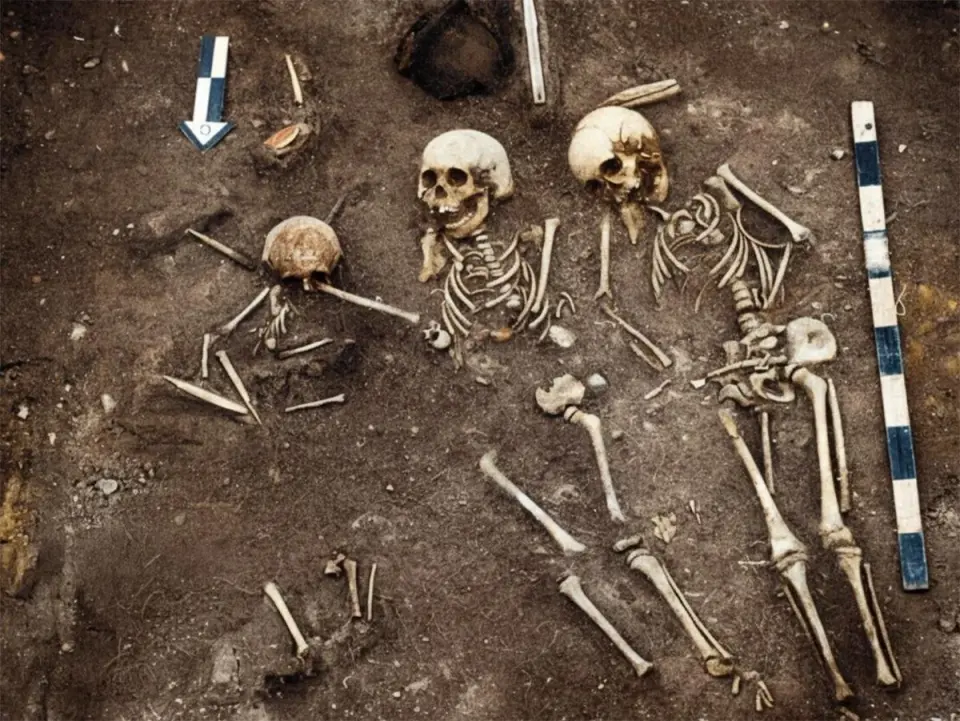
A Nature study of ancient DNA from 46 individuals buried near Lake Baikal reveals two previously unknown Yersinia pestis strains, indicating two plague outbreaks about 5,600–5,300 and 5,100–4,900 years ago among hunter-gatherers. About 40% of the individuals carried plague DNA, suggesting significant mortality in small communities likely caused by pneumonic plague transmitted person-to-person; marmots may have been the reservoir. This pushes plague's emergence far earlier than previously thought and shows epidemics affected hunter-gatherer groups before farming communities appeared.
Topics:healtharchaeology#ancient-dna#archaeology#hunter-gatherers#lake-baikal#plague#yersinia-pestis
- 5,500-year-old plague outbreak killed Siberian hunter-gatherers, ancient DNA reveals Archaeology News Online Magazine
- Lethal plague outbreaks in Lake Baikal hunter-gatherers 5,500 years ago Nature
- A Deadly Outbreak of Plague, Nearly 5,000 Years Before the Black Death The New York Times
- Ancient teeth from Siberia rewrite the plague’s timeline, dating back to over 5,500 years ago AP News
- Hunter-gatherer cemeteries reveal an ancient plague’s earliest known victims CNN
Want the full story? Read the original reporting
Read on Archaeology News Online Magazine