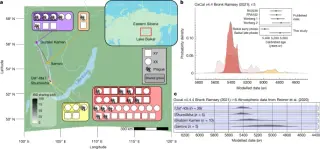
A Science Advances study reconstructing 74,000 years of sub-Saharan Africa climate finds prehistoric hunter-gatherers avoided malaria hotspots, especially Central West Africa, long before farming, suggesting malaria shaped where early humans lived and moved.
An Italian study links extreme longevity to inherited DNA from Ice Age Western Hunter-Gatherers, finding centenarians more likely to carry this ancestry and reporting a 38% higher odds of centenarians with that ancestry; paleogenomics shows this pattern, but researchers caution that ancestry alone isn’t a predictor of aging and call for further biological follow-up.
New ancient-DNA findings from Belgium, the Netherlands and Rhine-Meuse wetlands reveal that Neolithic farming spread into hunter-gatherer Europe largely via women marrying into forager communities, supporting a permeable frontier model. Over time, later migrations such as Corded Ware from the steppe reshaped the region’s ancestry, leading to populations with mixed hunter-gatherer and farmer lineages rather than a simple farmer replacement.
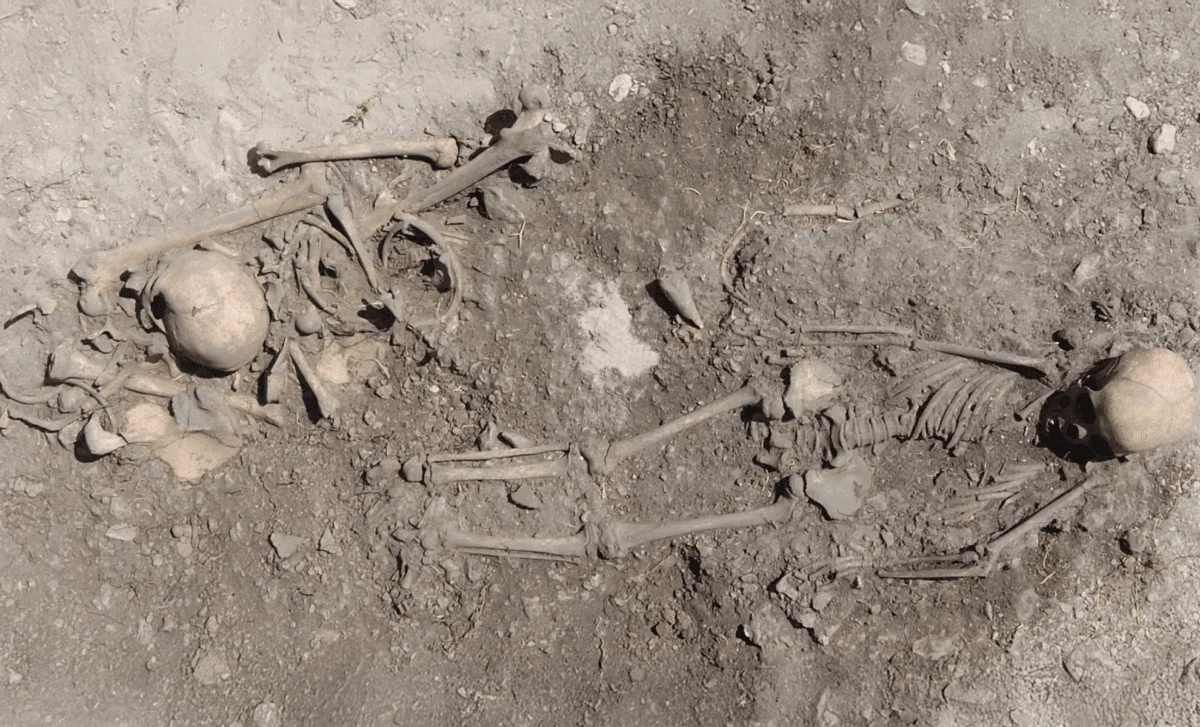
New genetic analysis of 5,500-year-old graves on Gotland, Sweden reveals that people buried together were mostly second- or third-degree relatives, underscoring the central role of extended kin networks in Stone Age hunter-gatherer society.
Ancient DNA from individuals in the Belgium–Netherlands region dating 8,500–1,700 BCE shows hunter-gatherers persisted thousands of years after farming arrived (~4,500 BCE), with only limited genetic input from incoming farmers. The farmer influx was largely women marrying into local communities, enabling a gradual cultural transition rather than a rapid population turnover, and hunter-gatherer ancestry remained common until about 2,500 BCE when new populations fully mixed. The study, part of a Reich Lab collaboration, was published in Nature and underscores the strong, gender-skewed role in knowledge transfer during Europe’s Neolithic transition.
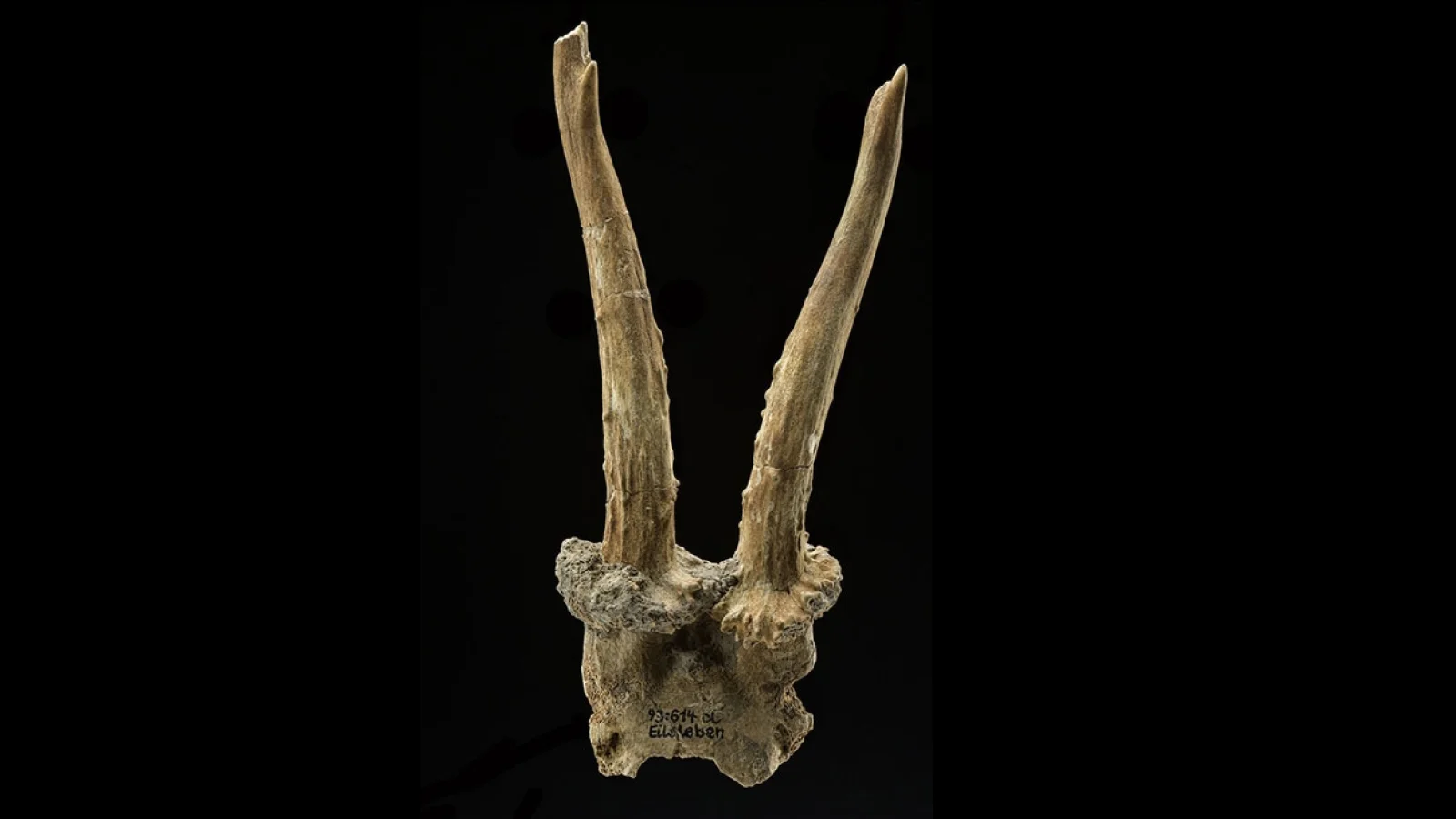
Archaeologists excavating a Linearbandkeramik (LBK) Neolithic village at Eilsleben, Germany, uncovered a roe deer skull headdress and accompanying antler tools dating ~7,500 years ago. The finds suggest Mesolithic hunter-gatherers and early farmers interacted and exchanged not only material goods but also symbolic ideas, indicating a complex, two-way cultural transfer at Europe’s early farming frontier.
An Italian study finds centenarians are more likely to carry Western Hunter-Gatherer DNA, with about 38% higher odds of reaching 100, suggesting ancient ancestry may influence aging, but causation isn’t proven and more research is needed.
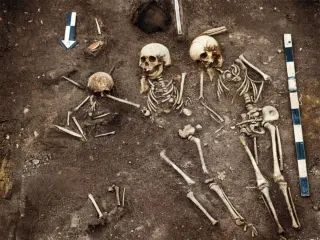
Researchers discovered the oldest known cremation pyre in Africa, dating back 9,500 years in Malawi, revealing complex funerary practices among early hunter-gatherers and raising questions about their cultural beliefs and social structures.
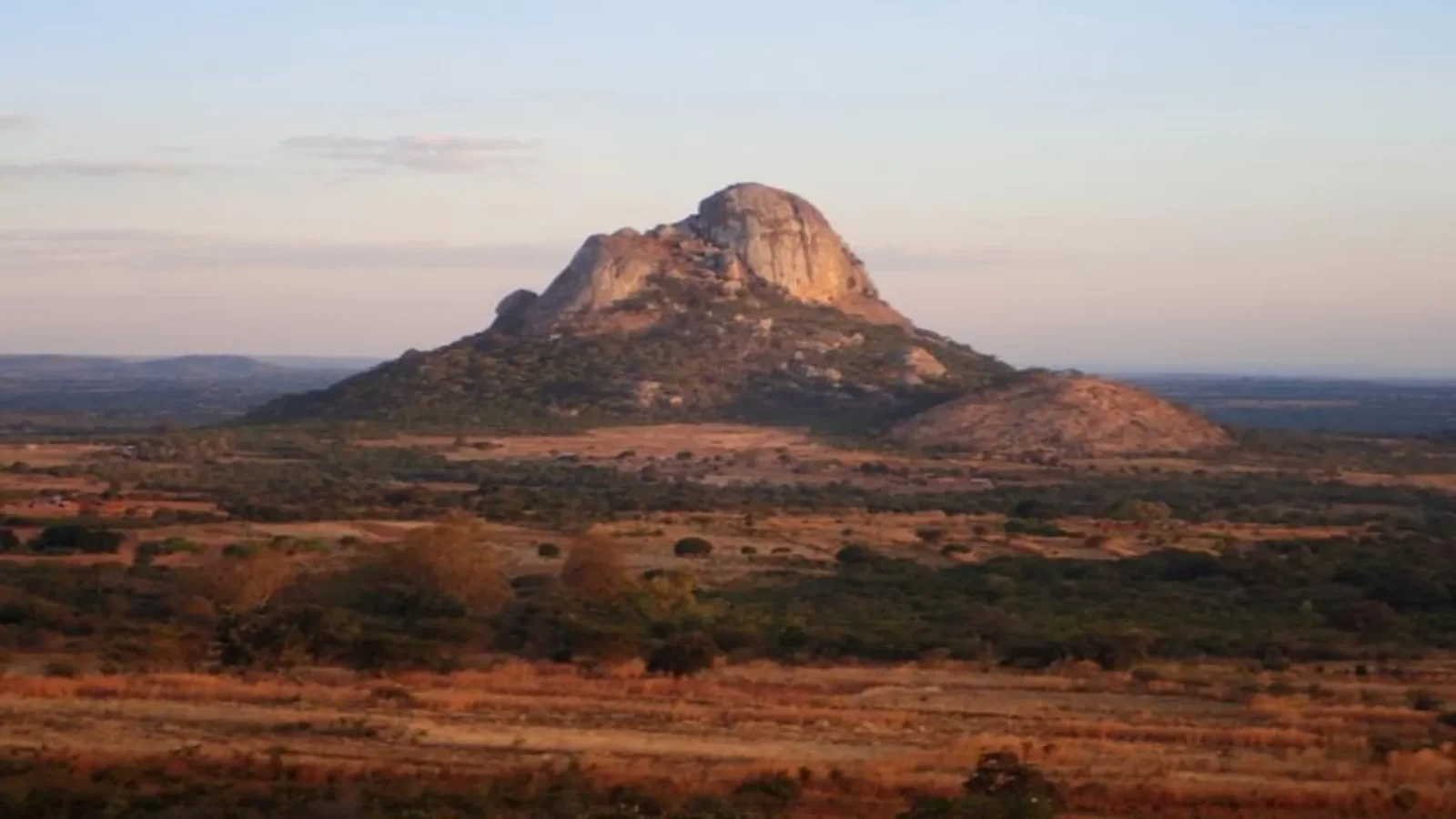
Archaeologists discovered the world's oldest intentional cremation pyre at Mount Hora in Africa, dating back around 9,500 years, revealing complex social and mortuary rituals among early hunter-gatherers, including dismemberment and bone relics as acts of remembrance.
A study finds that Italian centenarians have a higher proportion of DNA inherited from ancient Western Hunter-Gatherers, which may contribute to longevity, especially in women, by improving metabolism and stress resistance.
A study reveals that ancient Patagonian hunter-gatherers cared for injured members, with evidence of social support systems for severe injuries, challenging assumptions about mobility and caregiving in non-sedentary societies.
Michael Gurven's book 'Seven Decades' explores the evolutionary history of human aging, emphasizing that longevity is not a recent phenomenon but built into our biology, and highlights lessons from traditional communities like the Tsimané to improve our understanding of aging and health today.
A recent study of three non-adult burials at the Mesolithic site of Cabeço da Amoreira in Portugal reveals diverse funerary practices, including a unique complex burial structure, providing insights into the social and cultural behaviors of last hunter-gatherer populations in Iberia around 8000–7100 cal BP.
Scientists discovered a 12,000-year-old human skeleton in Vietnam with a quartz projectile injury, possibly indicating early conflict among hunter-gatherers, and the find includes the oldest mitochondrial DNA from the region, offering rare insights into early human life and violence.
A study combining ancient DNA analysis and computer simulations reveals that during Europe's Neolithic transition, hunter-gatherers and early farmers coexisted and gradually interbred, with increased genetic mixing over time as farmers expanded along the Danube route, challenging the idea of violent replacement and highlighting a complex process of contact and integration.